The Legacy of the Wild Turkey Remains Strong.
As spring’s arrival is marked by longer days, a welcomed warmth and the emergence of new life, turkey hunters across the country eagerly prepare for another season in pursuit of America’s greatest game bird. For these passionate individuals, turkey hunting is more than just a pastime — it’s a deep-rooted tradition made possible through decades of dedicated conservation efforts.
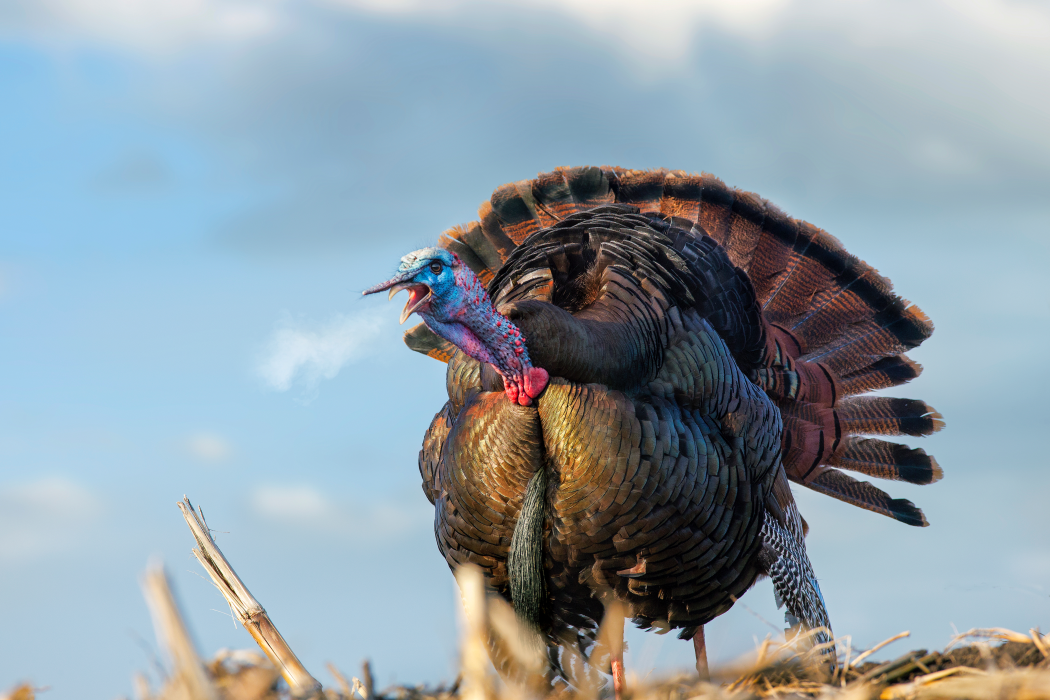
Since its inception in 1973, the National Wild Turkey Federation has played a pivotal role in wild turkey conservation and the preservation of North America’s hunting heritage. From its first research project in the 1970s to today’s large-scale habitat restoration efforts, the NWTF has been at the forefront of ensuring the future of wild turkeys. Over the past 50 years, the organization has facilitated the investment of over half a billion dollars into conservation, positively impacting more than 24 million acres of vital wildlife habitat.
The NWTF was an instrumental partner in helping state agencies across the country bring wild turkeys back from dangerously low populations; however, despite decades of impactful work on our landscape, conservation is an ongoing responsibility. Today, wild turkey populations are estimated at 6 million or more, and America’s greatest game bird is huntable in 49 of 50 states. Still, the challenges facing turkey populations vary widely by region. Habitat loss, changes in land use, shifting hunting season frameworks and many other nuances all contribute to fluctuations in turkey numbers. Recognizing that turkey management is not one-size-fits-all, the NWTF remains committed to adaptive, research-driven conservation.
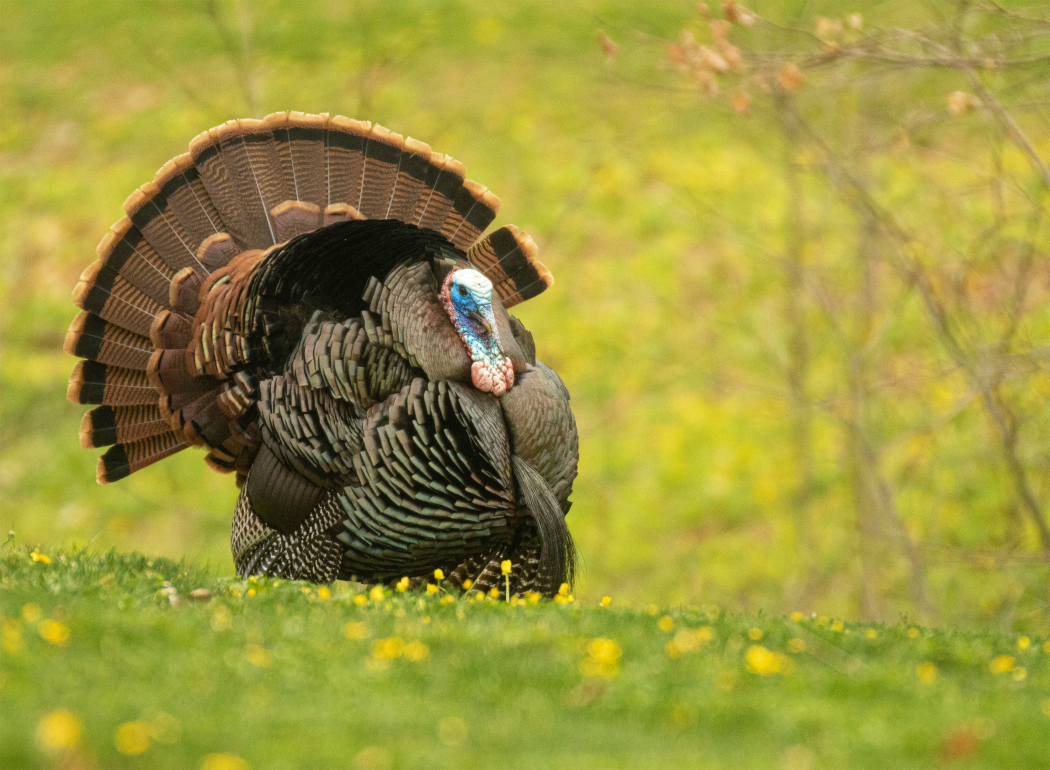
Investing in wild turkey research is critical to maintaining healthy populations for future generations. Right now, more wild turkey research is taking place across the country than ever before. Through its 2024 Research Request for Proposals, the NWTF committed $655,447 to nine wild turkey research projects, adding to a growing national investment of more than $1.8 million since 2022. These projects address critical concerns, including wildlife disease studies, regional and national population assessments and habitat management strategies aimed at improving nesting success and poult survival. This momentum will continue into 2025, with the upcoming 13th National Wild Turkey Symposium and expanded research initiatives under the NWTF’s 2025 wild turkey research Request for Proposals program.
Since its founding, the NWTF has contributed over $10 million to wild turkey research, helping wildlife professionals better understand population dynamics, habitat needs and conservation strategies. Beyond funding individual projects, the NWTF has taken a groundbreaking step by establishing the first-ever endowed National Wild Turkey Federation Distinguished Professor position at the University of Georgia’s Warnell School of Forestry and Natural Resources. In August of 2024, Mike Chamberlain, Ph.D., a leading wild turkey researcher and professor of wildlife ecology and management, was appointed to chair the professorship position. This funding provides crucial financial flexibility, allowing Chamberlain to address unexpected field research expenses that fall outside traditional grant structures.
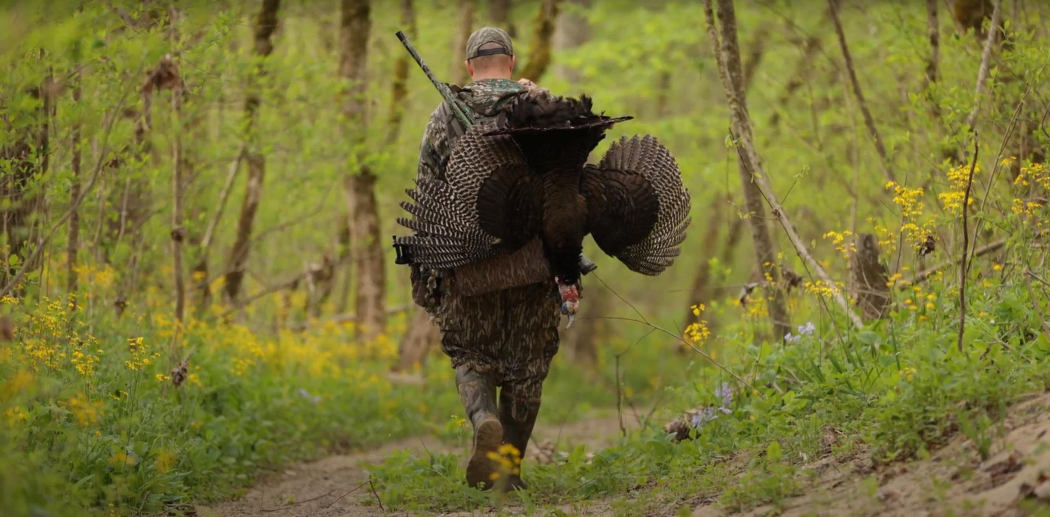
Building on this success, the NWTF aims to establish similar endowed positions at key universities across the country. This network of dedicated wild turkey researchers will ensure that the study of the species remains a priority, both during times of stability and in periods of decline, securing the future of wild turkey conservation for generations to come.
In addition to research, landscape-scale habitat management remains a top priority. The NWTF’s regional initiatives — such as Forests and Flocks, Habitat for the Hatch and Waterways for Wildlife — are tackling critical conservation challenges while improving conditions for wild turkeys across their range.
In addition to the vast swath of state and federal public lands the NWTF works to enhance through its initiatives, the NWTF also works to impact private lands for wild turkeys. Because turkeys do not recognize public or private property boundaries, conservation efforts must be equally far-reaching. One way the NWTF ensures habitat conservation extends beyond public land borders is through its National Forestry Initiative, a collaborative endeavor with the USDA Natural Resources Conservation Service. Through this program, 27 NFI foresters stationed across the country provide private landowners with technical expertise and access to Farm Bill conservation programs, helping them implement sustainable forestry and habitat management practices.

By working with private landowners through various USDA conservation programs, the NWTF helps improve critical wild turkey habitat that might otherwise be difficult to manage. This collaborative approach creates a more connected and resilient landscape — not only benefiting wild turkeys and other wildlife but also enhancing the ecological health, safety and overall value of private lands. It’s a win-win for conservation and landowners alike.
Securing the future of wild turkeys requires sustained investments in research, habitat management and advocacy for responsible hunting traditions. The NWTF plays a crucial role in shaping conservation policy, ensuring the interests of hunters and science-based wildlife management. Recent policy victories, such as the defeat of Proposition 127 in Colorado and Vermont’s S. 258, highlight the organization's ongoing commitment to safeguarding hunting traditions and conservation funding.
Thanks to dedicated hunters, volunteers, conservation partners and NWTF supporters, the legacy of the wild turkey remains strong. By working together, we can ensure that the gobble of a spring tom remains a defining sound of the American outdoors for generations to come.