A DIFFERENT KIND OF DUCK HUNT
Shotgunning Argentina's Rio Salado country for all kinds of critters is a wild experience
Hunters dream of the other down under, Argentina, with rivers of birds in the sky and luxury lodges. However, there is another side to wild adventure, and it's not just about ducks-it's so much more.
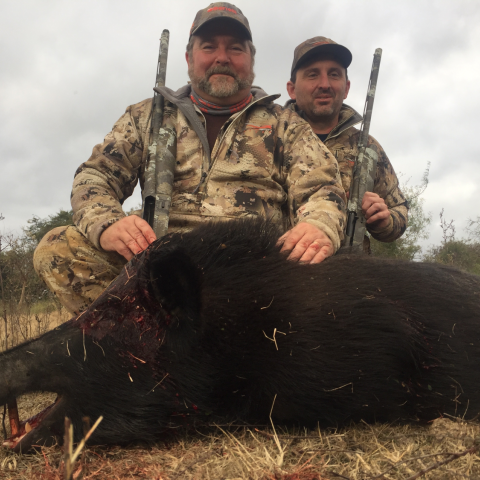
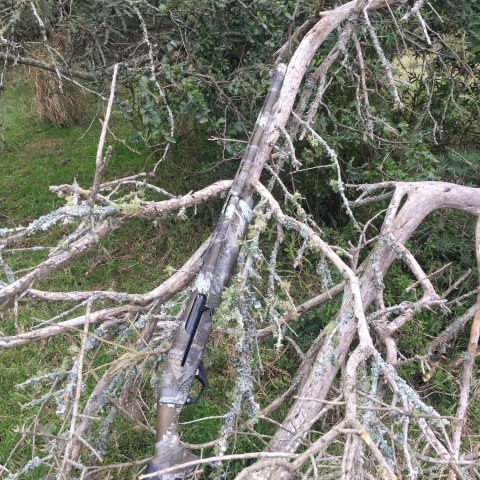
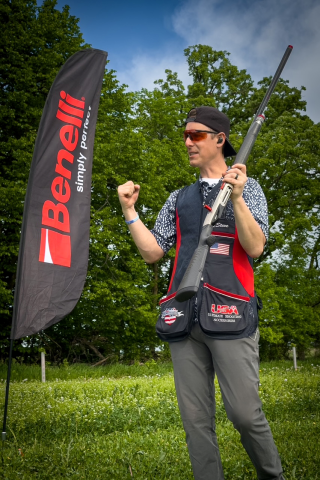
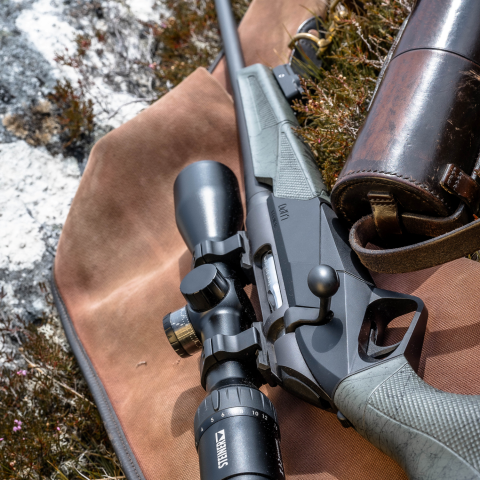
Our duck hunt had taken a wild turn as we crept along the riverbank, where deep, slithery impressions left by caiman were punctuated by tracks of the capybara, the world's largest rodent. The Camain, a larger southern relative of the alligator, we did not want to see, at least not that closely, but the "rodent of unusual size" (R.O.U.S.) we could not wait to see. After hours of hiking, a heavy-bodied, hairy black wild pig was spotted rolling in the sun along the banks, and the Super Black Eagle 3 was about to prove it was a lot more than a duck gun.
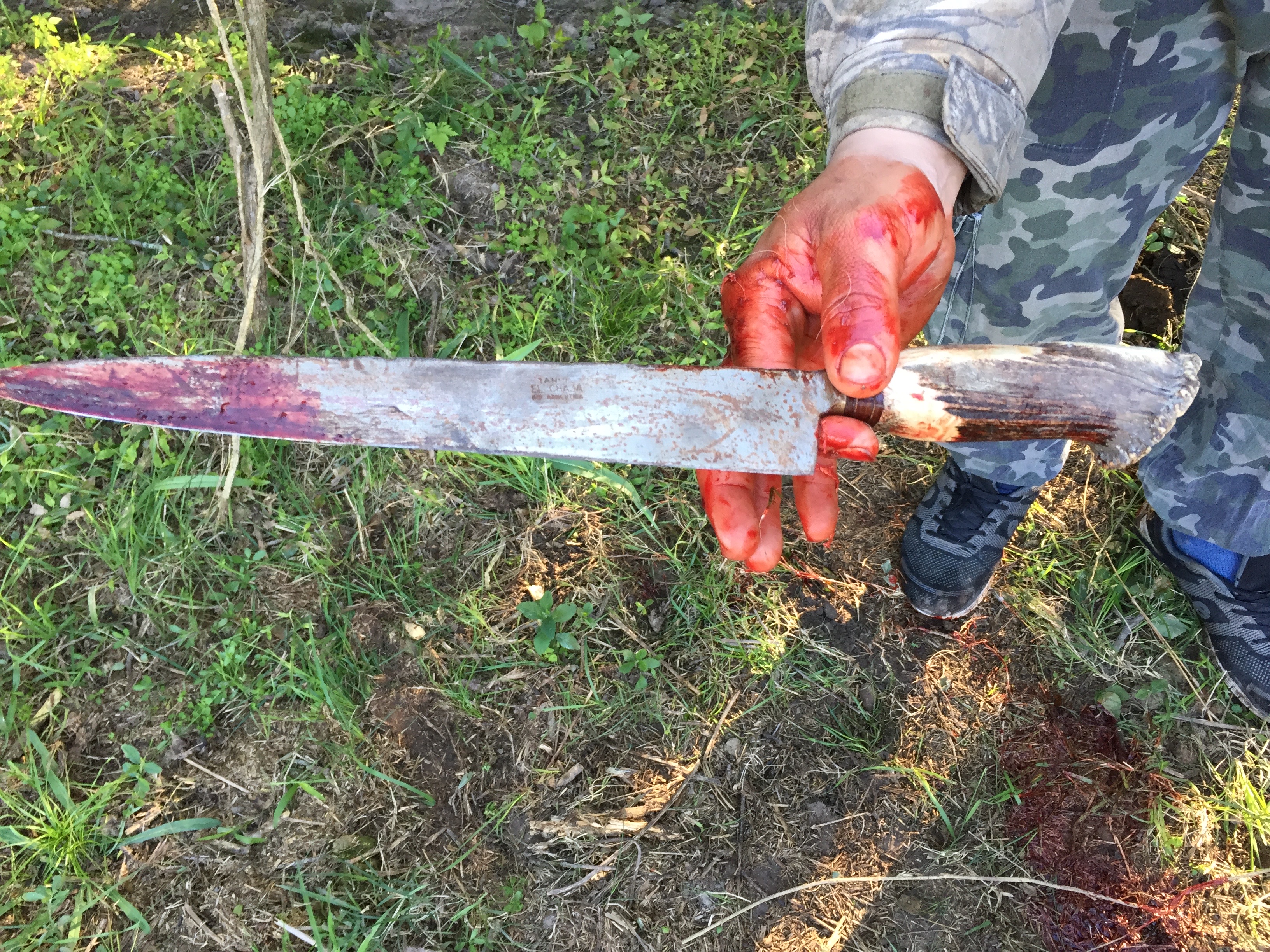
In the shotgun's magazine were mostly primitive, low-velocity duck loads that had been reloaded with hand-cast slugs or chunks of lead that these backcountry Argentine guides had hacked off an old piece of lead pipe plumbing fixture with their long, wicked gaucho knife, the facon. However, my buddy did have one real production slug in the chamber, and at about 30 yards, he stood up with confidence to shoot. I wished we were closer, but he did not hesitate and sent a kitchen-sink load into that hog right in the spot where things matter most. We chased, expecting a charge, but it did not go far, and a long, tough, porker-packing hike-out ensued. We took turns jumping in to shoulder the swinging pig lashed to a log the guides had hacked from the bush. Once I convinced the guys that field-dressing it would be a good idea, it wasn't so bad to carry.
Some duck hunt. Outdoor folk always talk and dream of finding themselves "in the middle of nowhere," but we rarely arrive at that destination. Even that little rock in the middle of the Bering Sea, St. Paul Island, has wireless. Not here. Duck and predator hunters can find the middle of nowhere in the wild northern tier of Argentina, where the Rio Salado ("salt river") winds through the Santa Fe Province and the second largest wetland in this enormous country. This nation stretches from the Brazilian jungle all the way down to Tierra Del Fuego, where Patagonia's tip plunges into the Antarctic Ocean.
We were roughly 10 hours north of Buenos Aires, but worlds away from that metropolis, in a 130-square-mile wetland, and having the time of our lives. This is a different kind of Argentine waterfowl hunt. Inconvenient, slightly labor-intensive…you know, like actual duck hunting. The long-dreaded drive north was actually pleasant, a post-plane unwinding mix of cocktails and snoozing in a large, comfortable van, the countryside rolling by like film, fading from the grass and fields of the pampas country to the scrubbier wetlands of the far north.
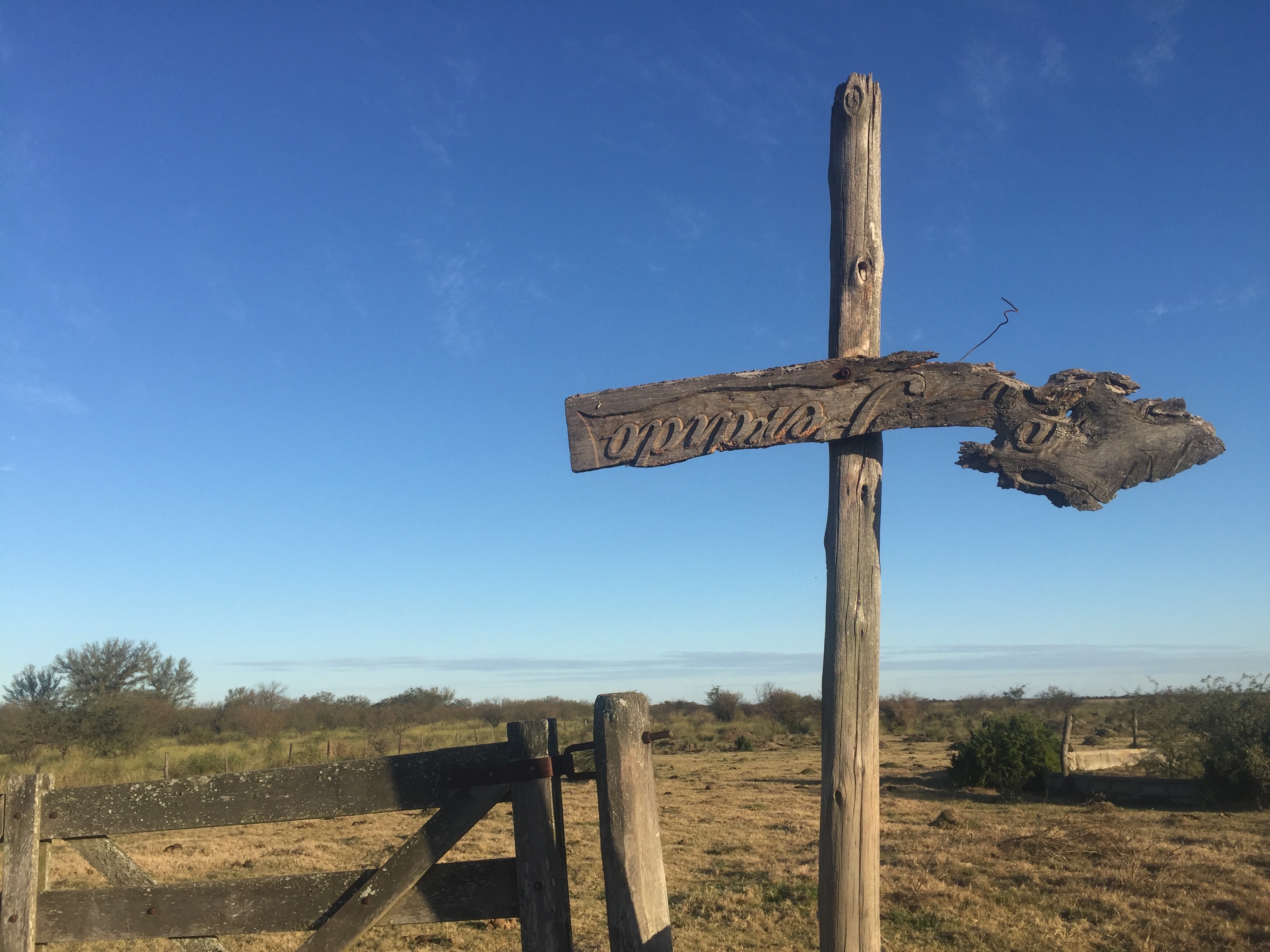
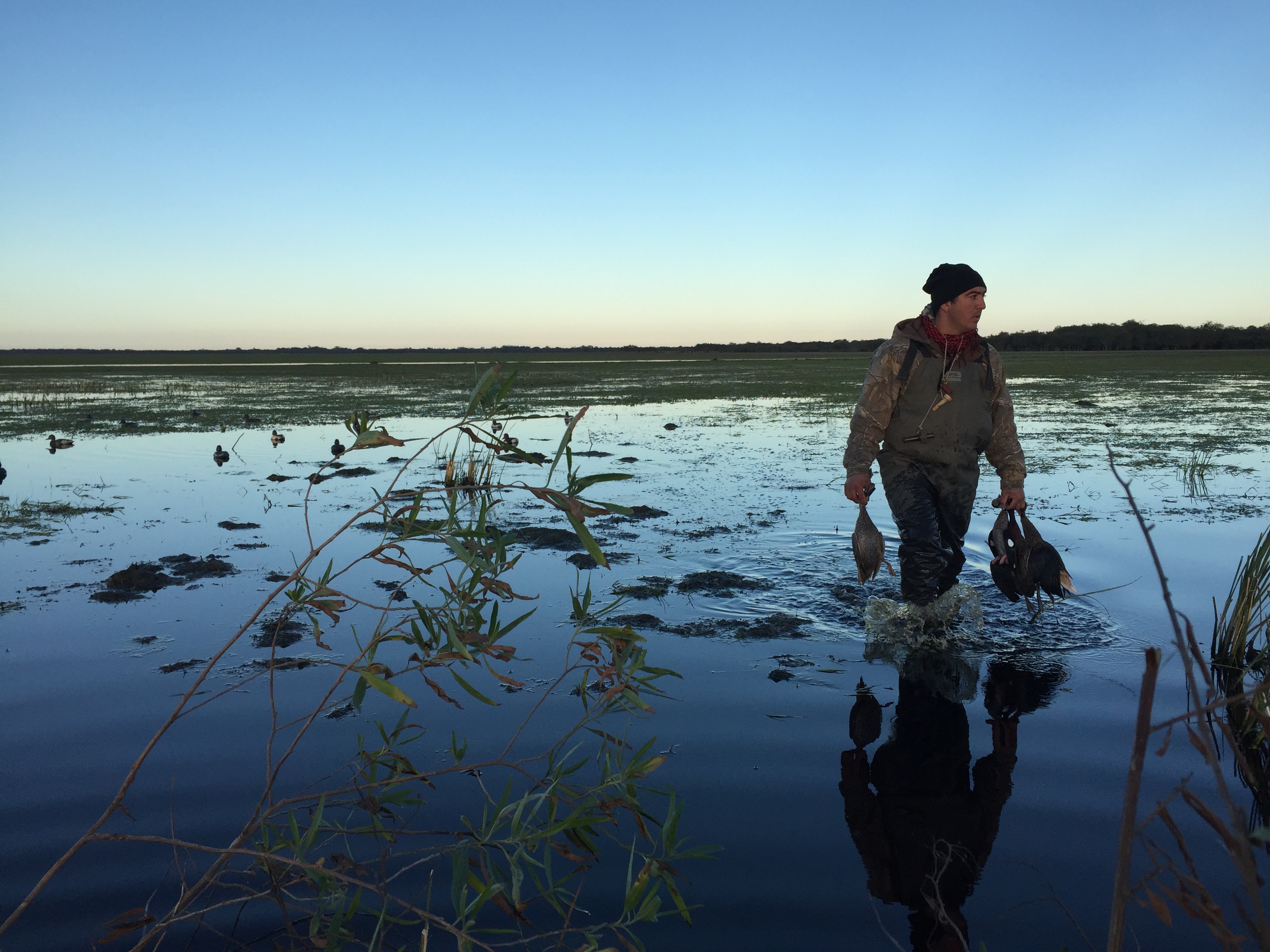
Step back in time to the 1850s, and this is what the Mississippi River Delta may have looked like before the Big Muddy was diked, dammed, and degraded. And the duck hunting, even in this dry year, was hotter than most will ever see. At first light, even the guns sounded different as we opened fire on early flights of the many species of teal. Muffled and quieter, as though somehow swallowed by the vastness of the landscape, unlike the loud, booming over the small, controlled, reed-rimmed waters you shoot in most parts of the country, where flocks are controlled under the influence of corn by both outfitters and farmers' harvest. At Rio Salado, you are one-on-one with a guide, and I very quickly came to appreciate being a sole shooter, not crammed in a blind with other gunners racing to shoot first and ringing my ears. I knocked down plenty of silver, Brazilian, spotted, and ringed teal each of the first two mornings without having to wonder who shot them. A red shoveler in hand felt like some kind of greater cinnamon teal, just a magical bird for a waterfowl nut.
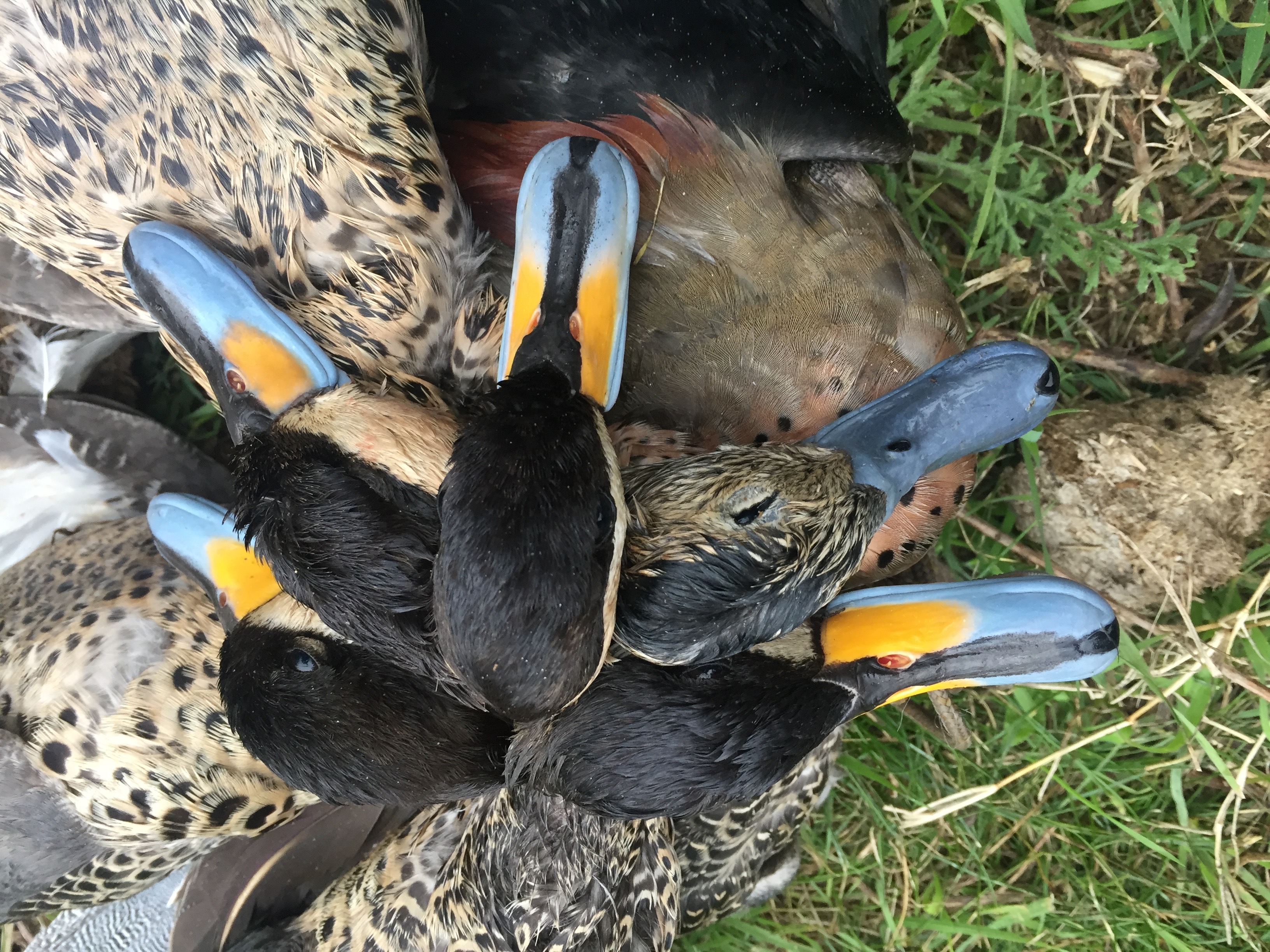
"This is a real duck hunt for real duck hunters," our host emphasized repeatedly throughout the hunt. By that, she meant many things, such as hiking in waders to catch wild-flying birds, and not stepping from the truck into the blind. Most years, hunters here are hauled around in sleds drawn by horses for miles through the waters. Nothing wrong with those traditional Estancia country duck hunts further south—there is certainly something to be said for getting off a plane and getting right to it with that evening's flights and dense flocks of fat corn-eating Rosey-billed Pochards and yellow-billed pintails.
But Rio Salado is duck hunting as an adventure. Duck hunting is a significant part of it, but it is only one aspect of it.
It was late July, and the cruel hand of a drought had reached the heart of this country, wrapping around the wetlands and squeezing out most of the water. This would slightly hinder our duck hunting, but we would ultimately shoot the SB3s about five times more as a result of the drought. The roads, long, muddy, and submerged, had firmed up, allowing us to access vast fields that had not been shot over for doves for years, as reaching them in the wet season was all but impossible.
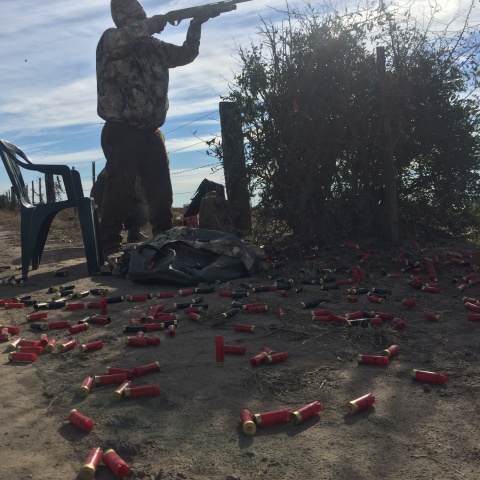
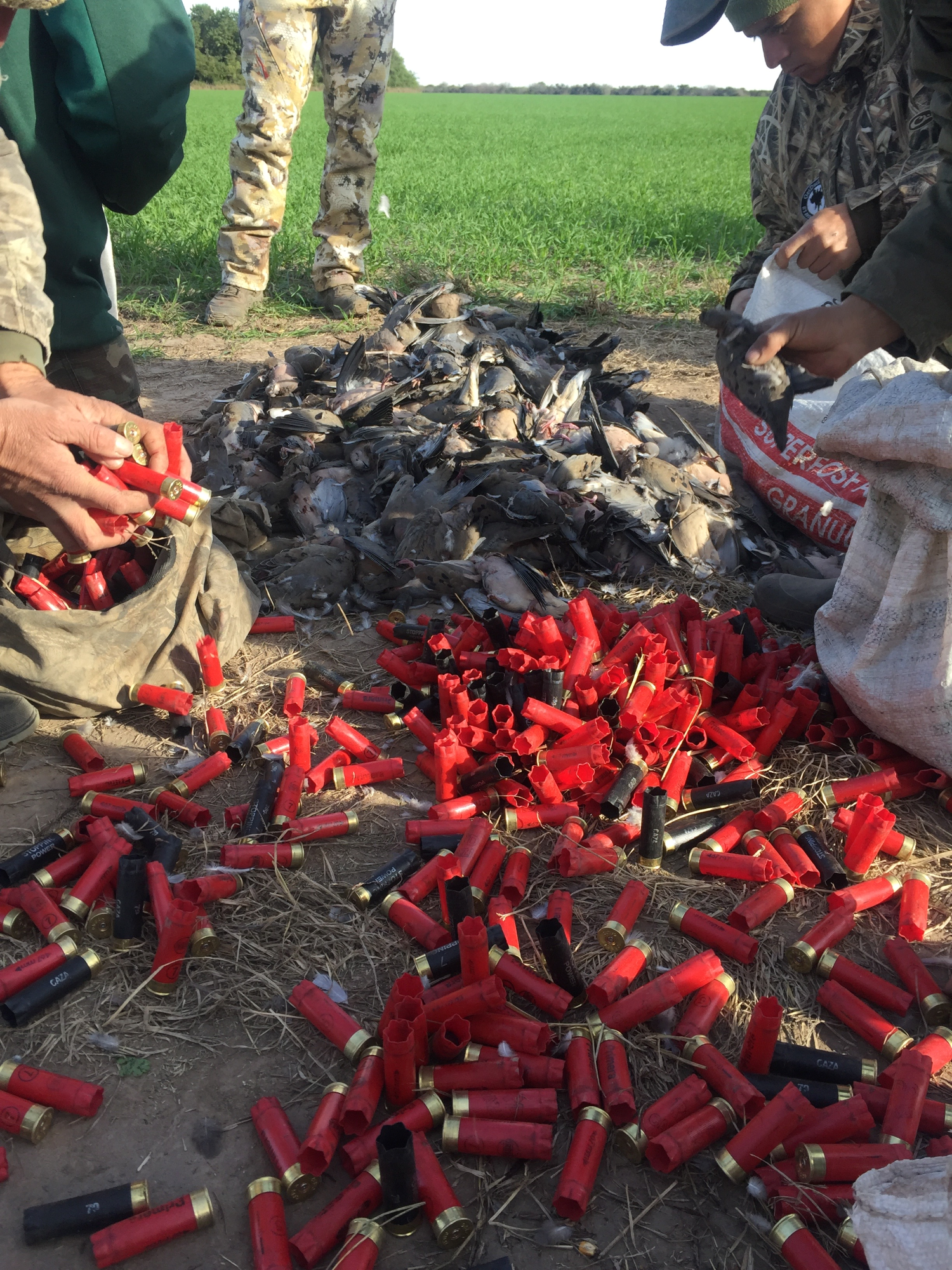
It wasn't quite Cordoba's rivers-of-doves-through-the-sky, but it surely wasn't Texas, either. We banged away with glee, building piles of hulls and running case after case of the light loads of dirty Argentine ammo through the Benellis with no problems. If the guns can run these weak, fouling loads, certainly, clean, powerful, U.S. waterfowl loads won't fail to cycle the inertia actions. It was intriguing to see everyone hit a rhythm and quickly start upping their kill rate, dropping one or two hundred apiece after just a few hours. Hunting the non-stop flow of eared doves was absolutely worth making the trip, ducks or no.
With a kind and quiet face and demeanor, my guide, Titu, spotted the incoming birds.
"Atencion! En frente. Atencion! Atras! Mas Adelante! Antes, antes!" he'd say. Attention, in front! Attention, out back! Behind you!
What a perfect warm-up, and we'd need it.
Titu is as strong and capable a ranch-hand as you'll meet. He spoke no English, but my fractured SoCal Spanglish enabled us to stay on the same page, with plenty of gesticulating. Whether whacking a tree down and lashing a hog to it or hacking willows to build a natural duck blind in minutes, he wore an easy smile and was into the hunting big-time. One evening, while hunting capybaras, we spotted a caiman, the giant blunt-nosed South American alligator. The lizard was so big it stretched nearly all the way across the canal. An elusive "cappy" had leaped into the water slightly too late to avoid another cut-down kitchen-sink cartridge from the Benelli. I was just amazed at the performance of the home-grown buckshot junk loads.
"Is it hard to get regular shotgun slugs in this country?" I asked.
"No," one of the guides said.
Well, okay then…A different kind of duck hunt. A wild west nutria shootout one evening with the SB3s had everyone in camp grinning like they'd gotten away with something. We rounded the corner of a road one day, and I was aghast at the sight of two capybara, which can top 100 pounds, sitting in the grass like some kind of super-nutria, a bizarre creature straight from a Dr. Seuss book.
We had not expected all this other action, not even the doves. Ramsey Russell had spoken in emotional superlatives for years about the ducks in Rio Salada, capturing my imagination with tales of vast waterfowl country where you could sit on a point in a marsh and kill as many of these non-migratory ducks as you could on a hunt with a bait-slinging outfitter further south.
"Knew it the first time I ever set foot in Rio Salado—I wanted my ashes scattered in this wetland," he said. "It's 130 square miles of year-round duck habitat that satisfies all waterfowl life-cycle requirements, an amazing environment that's much more remote, much wilder, than anywhere I'd hunted in the previous decade-and-a-half of visits. Baiting is logistically impossible, but through the skillful art of genuine duck hunting, the shooting is superior. Real duck hunting in a pure, unspoiled environment, where guests enjoy the blinds to themselves. So far off the beaten path you can hardly get there from here, but like everything else in life, the best usually requires a little more effort."
A storyteller, the fast-talking southerner is a treat to have in camp and a force of nature. One minute he'll speak of fooling an airport security dog with a bag of fast food ("I thought I was busted but I reckon that dog liked McDonald's") and the next moment quote Twain: "Quitting tobacco's easy—I've done it a thousand times." When you book a hunt with getducks.com, try to make it one that he's hosting. Fantasizing about adventurous duck hunts years ago, he quit a cushy government job to chase his dream of starting getducks.com, and he now helps others chase theirs. He sends waterfowlers to the far reaches of the planet in pursuit of all that quacks.
The Mississippi madman had slimmed down since I'd last seen him, but his carb-dodging diet was about to snap. We stopped at a small estancia and spent time with the chickens, turkeys, and farm cats while our hosts prepared ducks and grilled birds, baking large loaves of homemade bread in brick ovens and slathering them with butter. We laughed in the cool, damp air and downed bottles of red wine as we watched.
Life doesn't get much better than that.
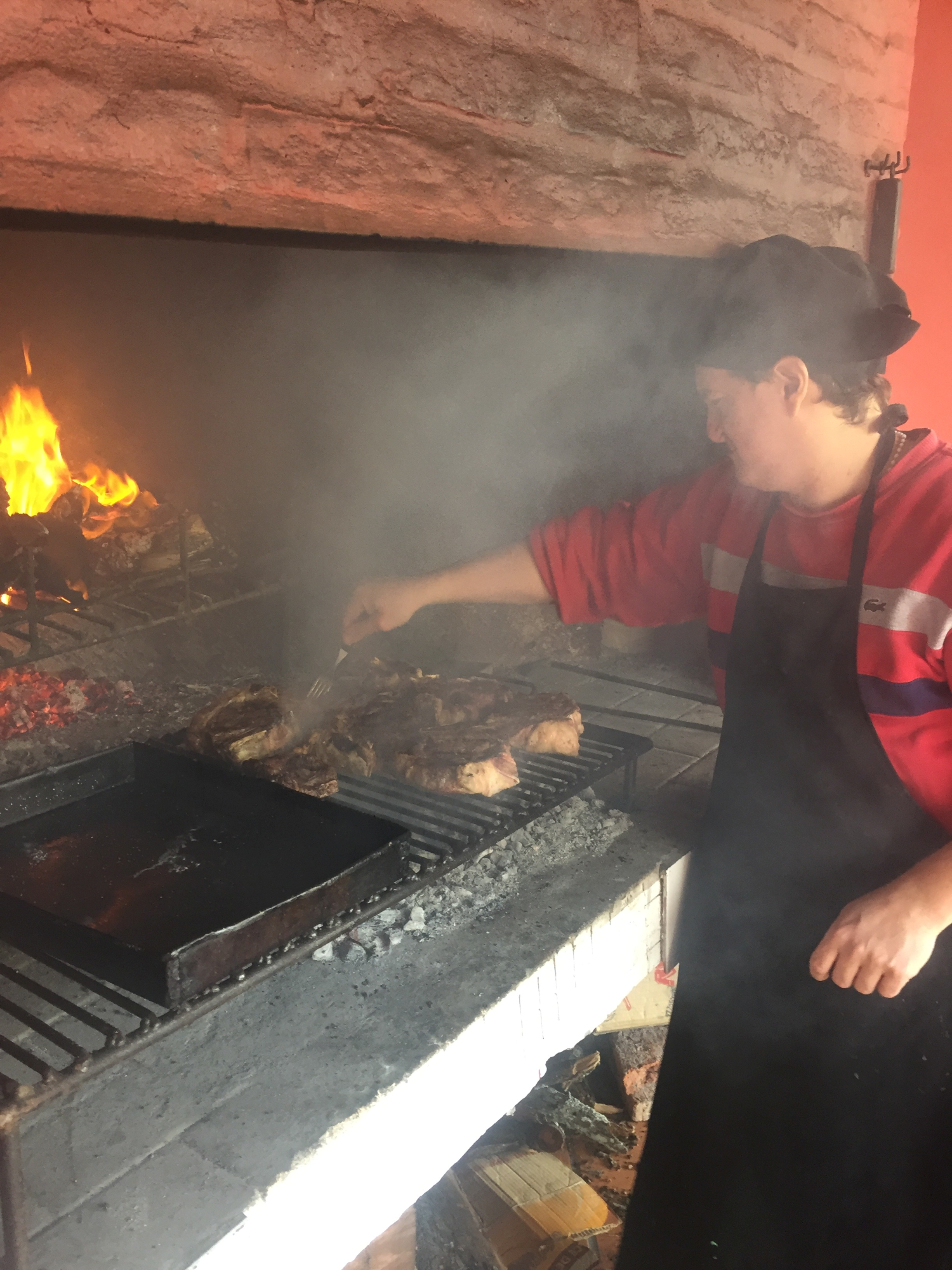
Food is always a massive part of the South American experience. Milanessa a caballo (seasoned fried beef). Beef filet at lunch. Duck gumbo in cast iron—Guiso de pato. Giant ribeyes. And sorry, Martha Stewart, but loin medallions from Brocket deer topped the list after we watched the guides finish one off with their flashing facon' knives before the gunsmoke even settled. And, would you believe, we powered downed plates of nutria, so tender, like a cross between squirrel and pork. I'd heard Cajuns will eat them, but then again, they will eat anything, and I was shocked at how good they taste.
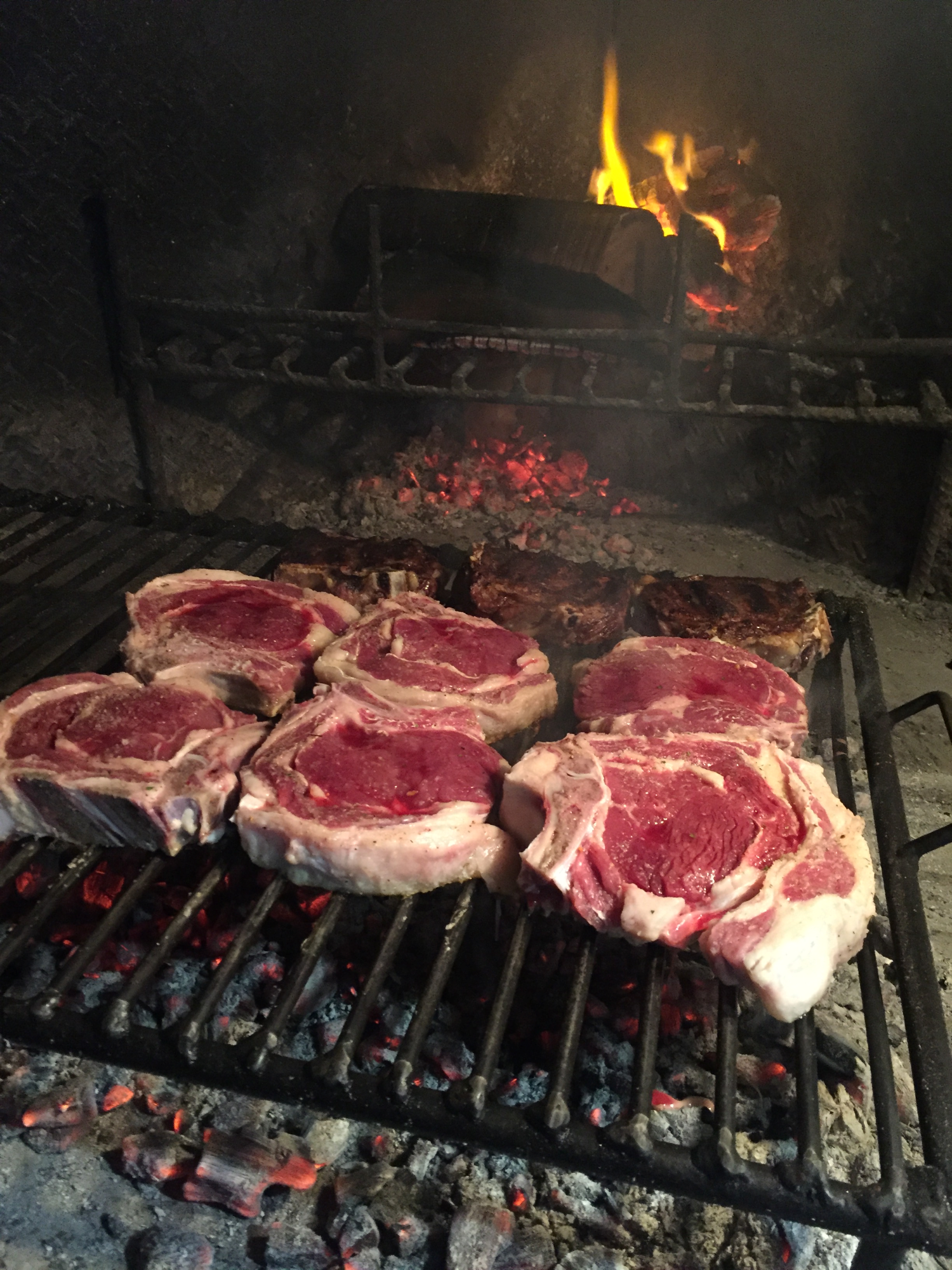
Capybara meat, kabobs galore, and we all groaned about too much food, but nobody stopped eating or chugging Malbec. Also on the table: the monster pig my buddy had killed after Titu said we could surely get a "javelina." We, of course, expected a 30-pound collared peccary when we set out on that hunt —a Texas-sized javelina —and so gasped when we spotted the big razorback lounging on the riverbank, the Argentine "javelina." By the time we hiked the carcass out, I wished it had been stateside javelina-sized.

Middle of nowhere, sure. No cell or wireless. Perfect. And if we ever saw other humans not with our party, I do not remember it. But roughing it? Not exactly. Our rustic estancia was painted in the rich reds and greens typical of the area, comfortable and warm, with a sprawling patio and fire pit in the courtyard where wine and stories flowed at the end of the day.
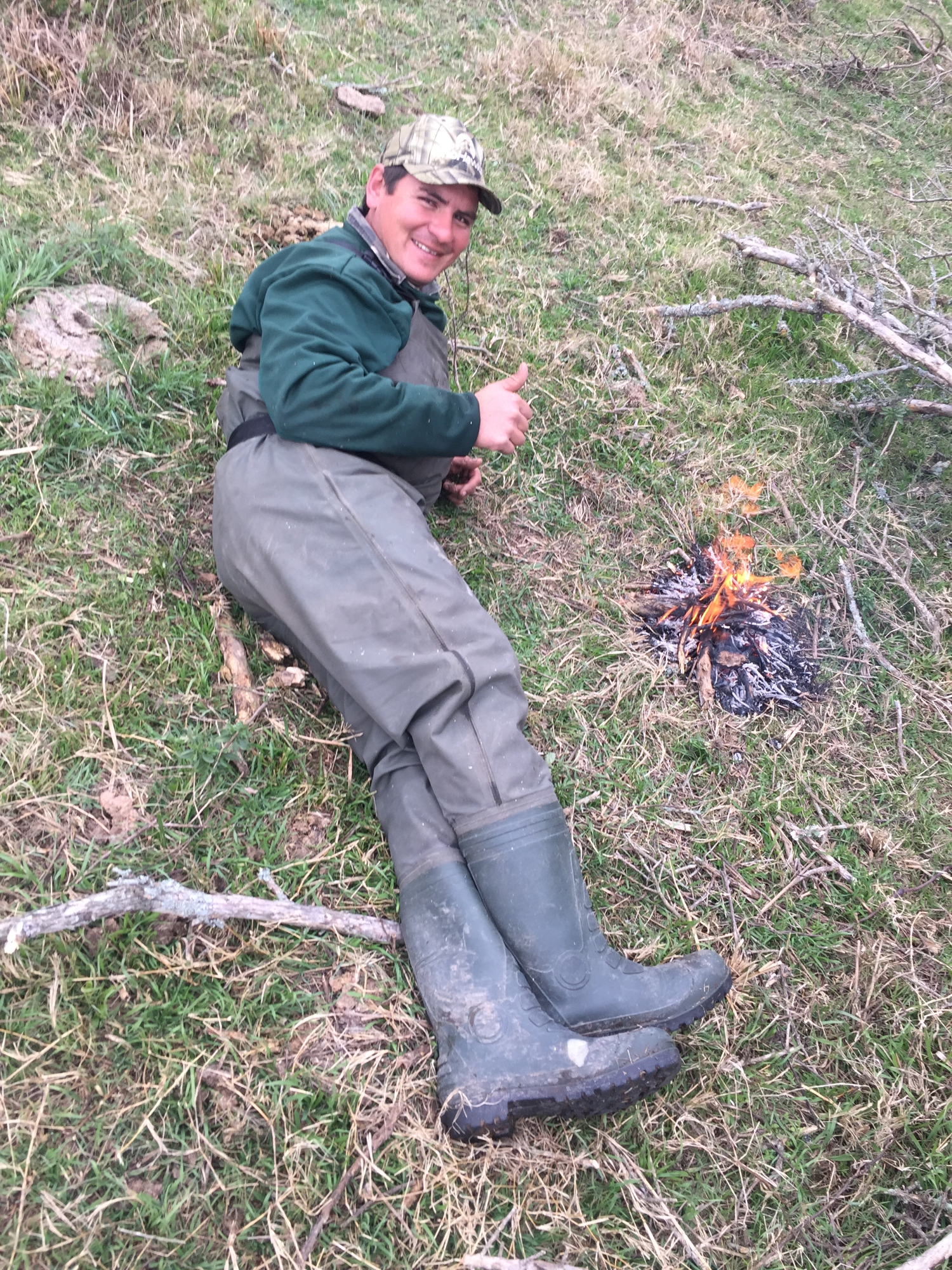
After one hunt, in which I doubled on whistling ducks at dawn, I relaxed in a pasture with Titu by a small fire he'd made. Then he looked at me curiously when I pulled out a rabbit-in-distress mouth call and sidled off into the brush. The Benelli was about to collect yet another furry critter on this trip.
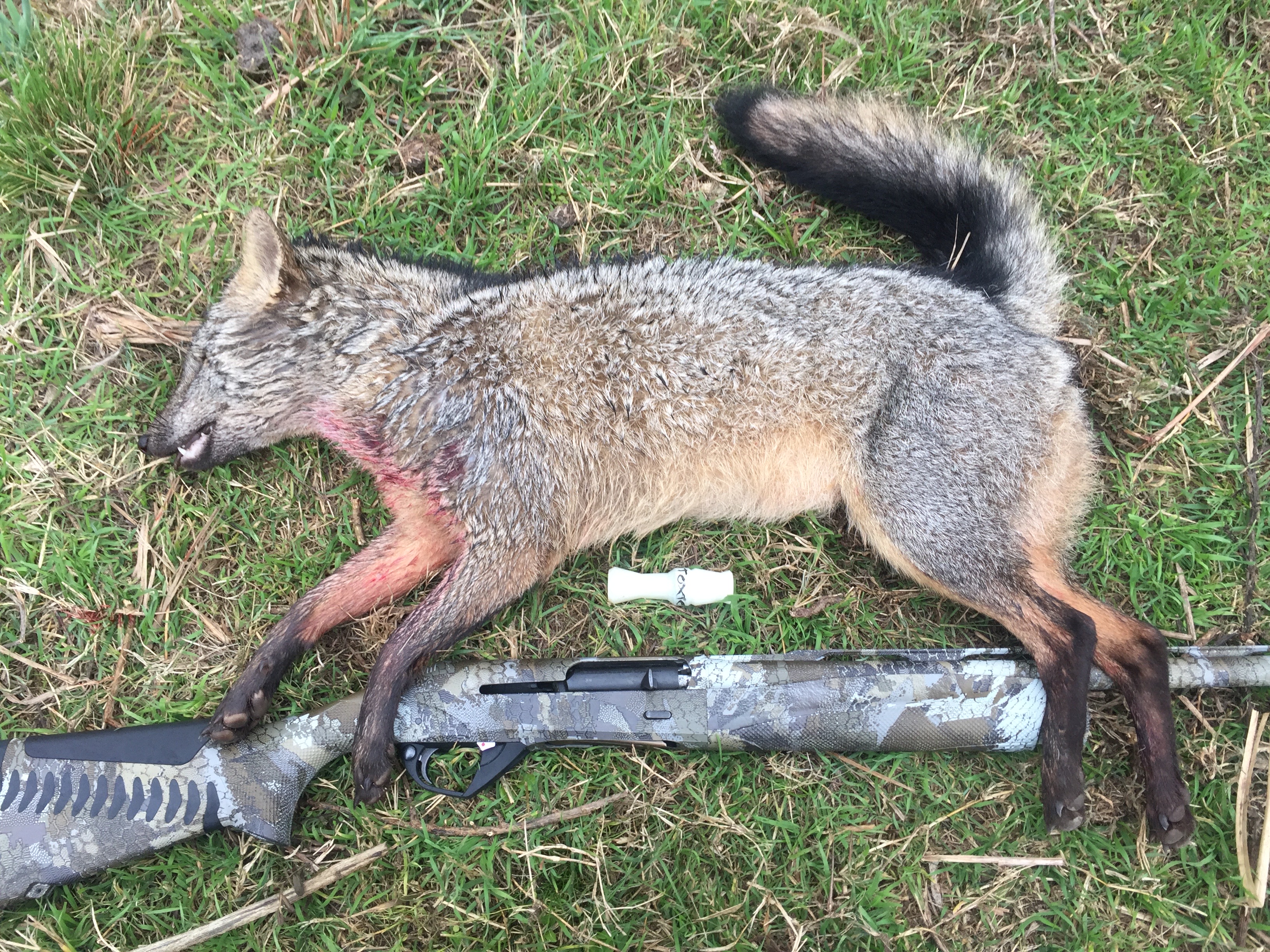
I'd called maybe 40 seconds when one of the aggressive native foxes, the gorgeous silver-red sorros that swarm this country, came running. Armed only with #5s, I let him close to 15 yards before pulling the trigger. I tried this stunt again, closer to the lodge, but was swarmed by bird dogs and curious cows; however, we saw foxes almost daily during our drives.
My last duck hunt was a slow-motion pass-shooting event on an open pasture, scratching down a dozen or so teal that swung wide of the decoys. After so many memorable duck-killing mornings, at this point in the trip, I was content to relax and soak it in, enjoying the lights of tatos and giant screamers (cha-jas) winging past. If you have not seen the green metal sheen flash of Brazilian teal drakes turning in the sun, it is tough to describe. It could leave spots in your vision. Their entire wing is a speculum. A lot of loud shooting would have been almost intrusive to my Zen moment.
But less than a half mile away, Josh Ward lucked into the X and killed an obscene pile of ducks, all over water, which is more the norm here in wet years. Josh deserved it. The day prior, he'd been wading out and physically bumped into a giant caiman, the massive ditch-lizard roiling explosively right at his feet, scaring him to death and barely back. Every day we shot pigeons, some larger than the teal, a scintillating bonus on each hunt, but it was time to go home.
Earlier in the trip, Tim Joseph had knelt in the cold dark over a fire in the pre-dawn and seen a shooting star, and then another, and then one that lit up the ground and lasted three seconds as it burned an otherworldly line across Orion, the hunter constellation. He could not have been further from his Maryland home. That strange spirit-moment foreshadowed one of the wildest waterfowl hunts left on the planet, about to unfold.
As we left at daybreak in a spooky fog, a subtle form ghosted across the road like a giant fox, canine but distinctly un-dog like, pausing in the headlights. Someone explained it was a rare, nearly extinct species of wolf. Somehow, we were hardly surprised. A perfect exclamation point at the end of this most extraordinary adventure.