Just Enough Trees
Oklahoma has timber aplenty for squirrel hunts – and not too much for prairie whitetails.
My dues aloft are paid. Over many years, if infrequently, I’ve dutifully ascended bent spikes and loose ladders to perch in cold wind on grates the size of washcloths. Warned by the incessant creak and nauseating pitch and roll of the forest crown, wild animals stayed away. The bromide, “they won’t smell you up there,” wore thin. After guides drove off sipping coffee in warm pickups, I’d make my way down to motionless Mother Earth. Chronic fidgeting didn’t improve my odds there; but a bear once strolled by at 11 feet, no doubt after scoping the grate above.
I prefer still-hunting – slipping slowly through cover. Long ago, pushing ineffectively through a copse of noisy young poplars, I caught the flash of a deer across my flank. The old British infantry rifle swung as if at a grouse. To my surprise, the deer somersaulted, dead as a herring. Waiting in ambush has never since measured up. Not that sitting isn’t productive. Or, usually, much more productive.
“We’ve a great spot for you,” smiled my Oklahoma host, the pop of distant oil donkeys now faint. I’d just arrived at Sandstone Outfitters’ lodge. Short miles south of the Canadian River, midway along the state’s western border, Roger Mills County straddles a slice of the Panhandle-Hugoton Gas Field. A few trees line the bottoms. Sand hills bristle with tall grass, junipers and wire-like brush. Whitetail country?
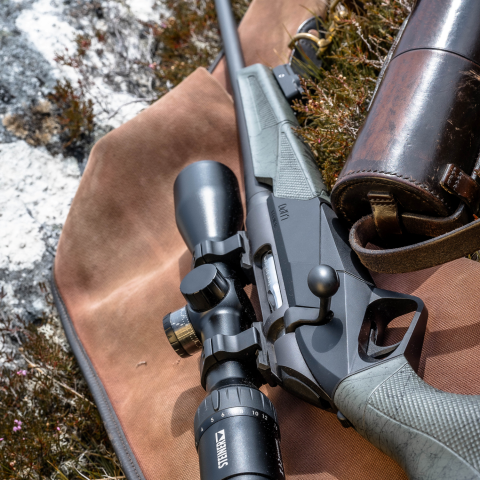
Dusk coming on, I quickly joined other hunters checking rifle zeroes. The Benelli Lupo loaned to me differed in several ways from deer guns I ordinarily use. But it had a low-lift three-lug bolt and a crisp trigger, other appealing features. Carnivorous in profile, it balanced well. The scope, a Bluetooth-friendly Steiner Predator 8, was new. I wouldn’t need its digital controls or enormous 3-24x power range. But its generous eye relief and sharp images hooked me.
Sweet on the 6.5 Cm, I could hardly have asked for different ammo. The Fiocchi Hyperformance load was claimed to send 130-grain Swift Sciroccos at 2,820 fps. My shots hewed close to point of aim.
Night still hid the hills when after a hurried breakfast we motored on sand tracks to stands miles apart. Treed windbreaks bounced by in the truck’s headlamps.
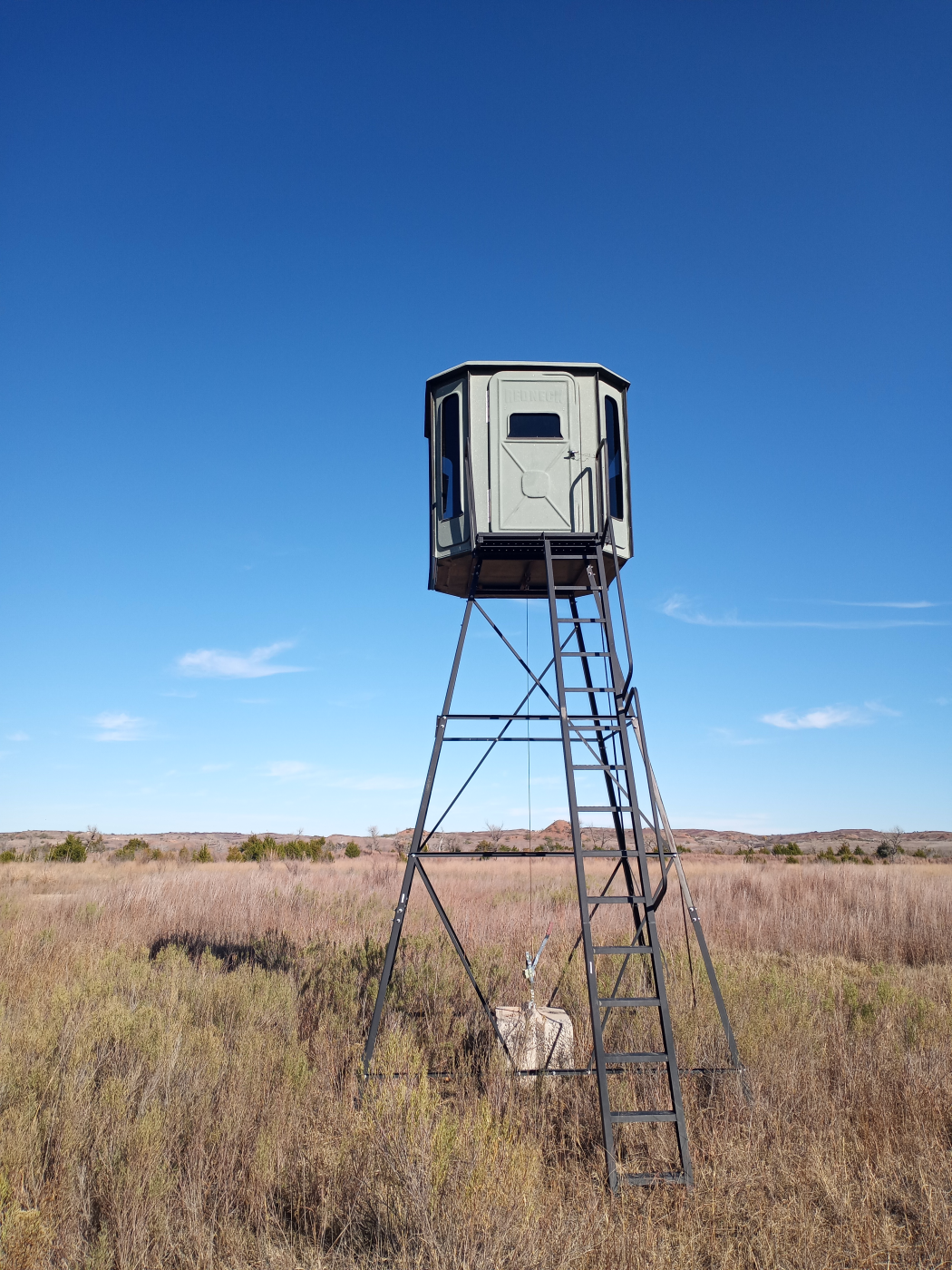
“You won’t see anything until dawn,” said my guide as mud forced a halt in 4WD. We plodded a quarter-mile afoot. He pointed: “There it is.” The tower barely showed against a moonless sky, a skein of cloud dimming the stars. “I’ll fetch you at noon.”
Rifle and daypack slung, I felt my way through a moat of ankle-deep swamp water, then up steel rungs to the latch. Teetering, I swung the door wide and sprawled onto the tower’s floor. It was generous and dry. Windows on sliders all around. A couple of padded chairs. A can of wasp-killer.
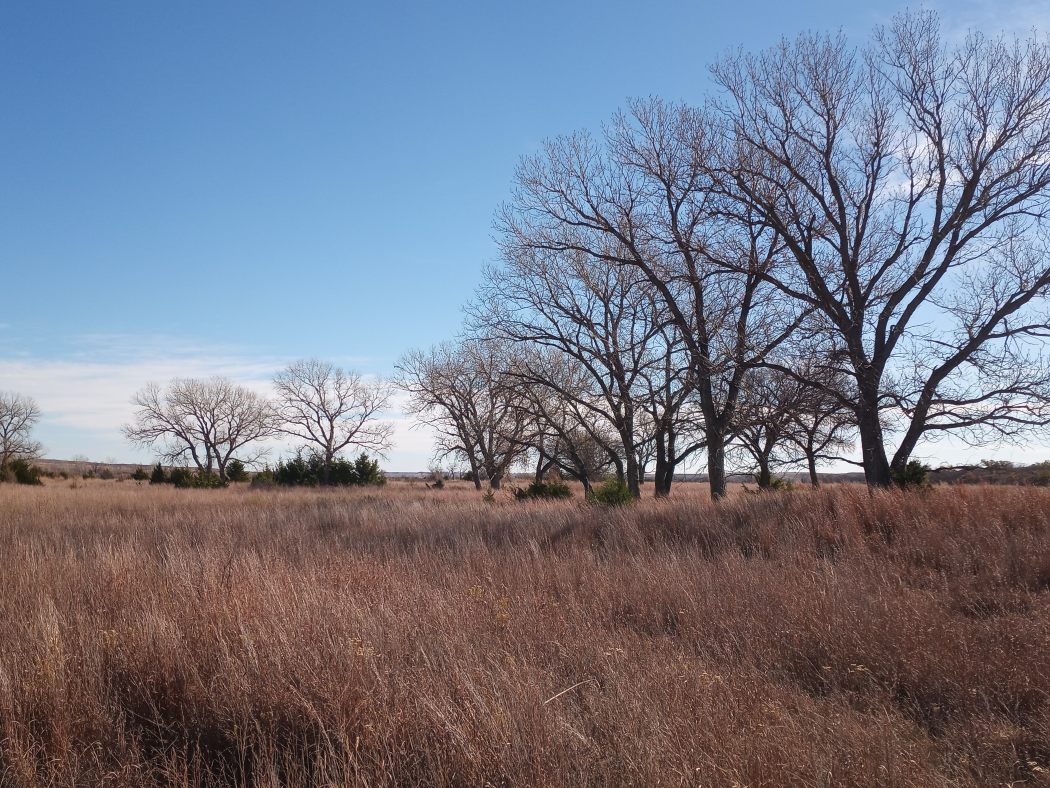
This great spot really was! A gray dawn revealed chest-high grass hiding a wet bottom feeding a creek 200 yards to the south. Limestone bluffs farther to the north were serrated by coulees draining oak uplands and farm fields. To the east: a sand flat thick with grass and stout junipers 10 to 15 feet tall.
I cracked a window starting to fog. A deer furrowed the grass a short rifle-shot below. Its antlers were obscure in the half-light, and the animal didn’t pause.
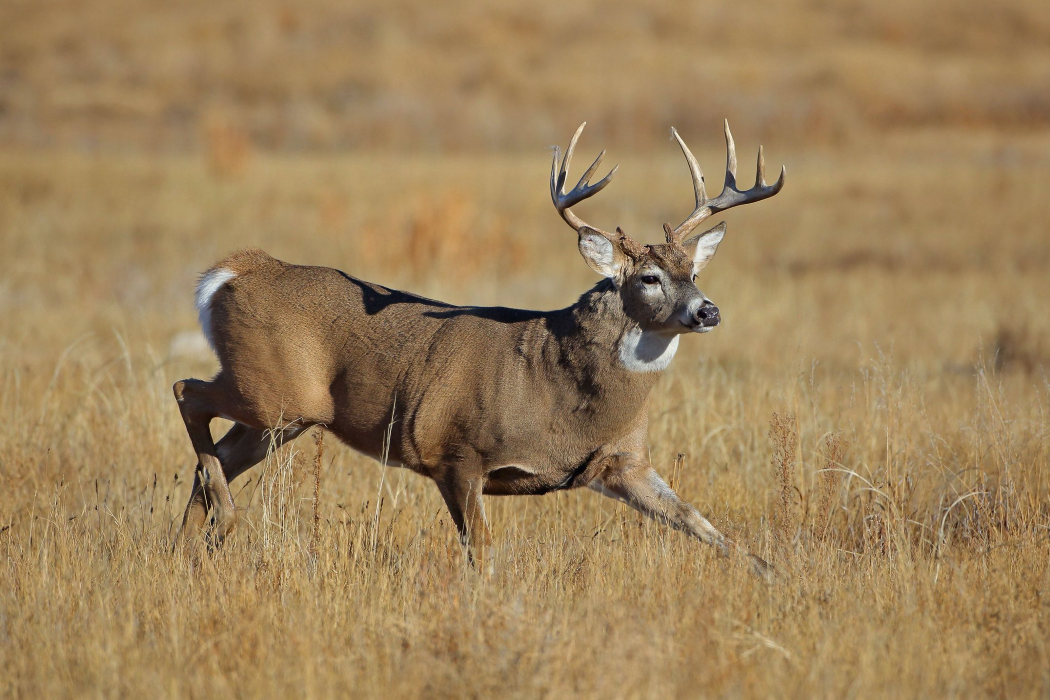
That day and the next two, Oklahoma blessed me with several buck sightings. My perch revealed whitetails that would have been impossible to see from the ground. The full-circle view spooled out as far as I’d take a shot. Blocking dawn’s frosty drafts, the tower also allowed me to move without alerting deer. Elevated hunting at its best! One buck had bone enough to tempt me; but he vanished just as the Benelli’s nose leveled.
Into the 1870s, pioneers, then settlers in Indian Territory north of the Red River reported regular sightings of whitetail deer. But soon after the region opened for homesteading as Oklahoma Territory in 1890, newcomers shooting for their larders whittled at herds already thinned by market hunters. Changing land use reduced suitable habitat. By 1916, nine years after statehood, a remnant of roughly 500 whitetails held on in four isolated pockets. That year deer hunting was suspended, not to resume until 1933.
After WW II trapping/transplanting efforts were funded to re-establish whitetails and expand their range within the state. About 9,000 deer settled in fresh ranges between 1947 and 1972. Now they inhabit all 77 of Oklahoma’s counties. Current population estimates run to 325,000. During 2022-23’s hunting season hunters tagged a record 134,158 deer, most 1 ½ to 3 ½ years old.
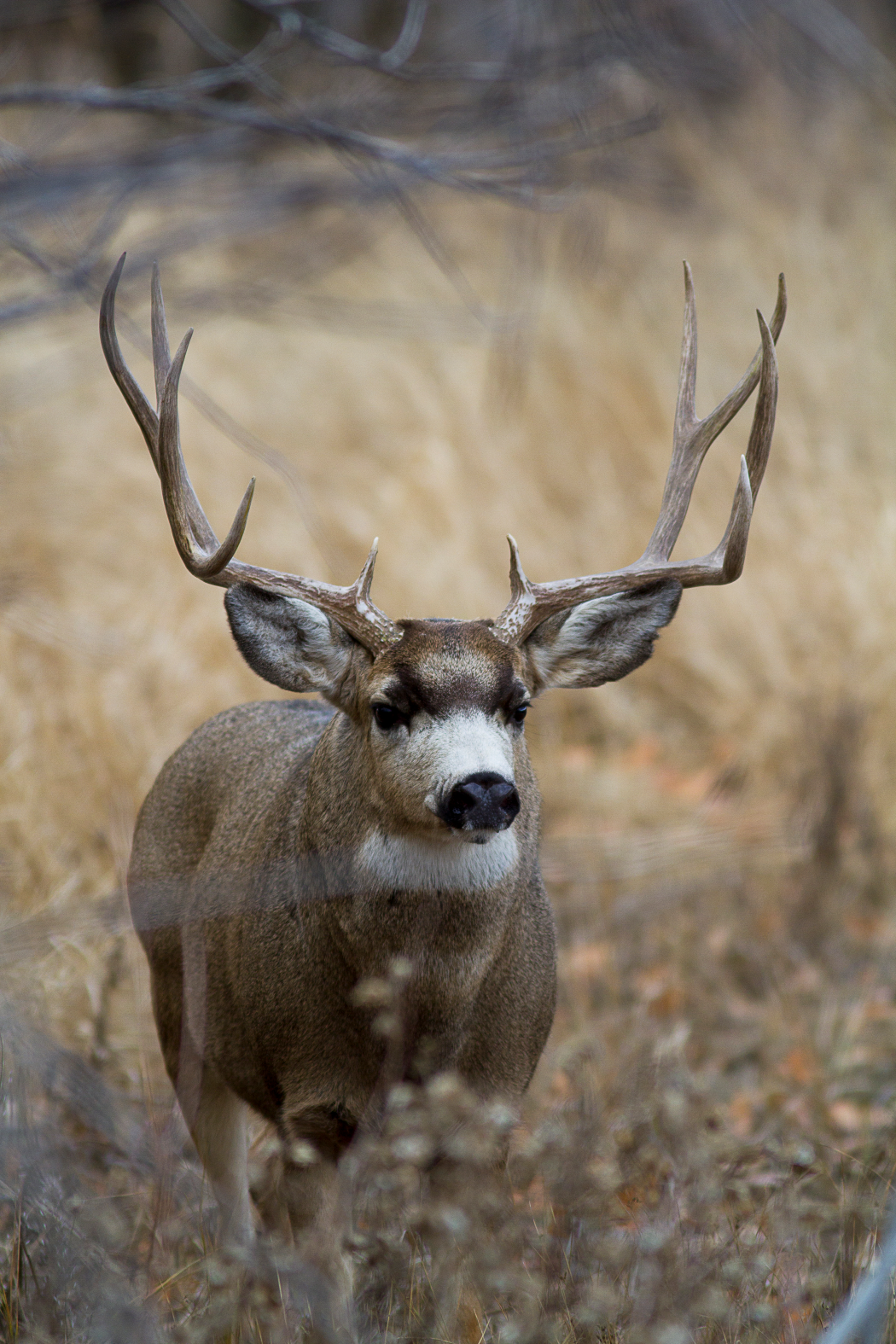
While the state’s prairie and shared borders with Kansas, Colorado and New Mexico bring mule deer to mind, Oklahoma counts fewer than 2,400 of these animals. Hunters shoot about 250 annually.
Also odd: whitetails least favor the Crossed Timbers area in the state’s mid-section, where dense stands of post oak and other hardwoods dominate old-growth forests crowded now by invasive junipers. Studies have identified home ranges there as large as 2,420 acres. Where fire, logging and farming open old-growth canopies, Oklahoma deer thrive on as few as 247 acres. The historical abundance of whitetails in timbered New England and the “North Woods” states of Michigan, Wisconsin and Minnesota suggests trees favor these creatures. But mature forests never have. Deer numbers swelled with the logging of old-growth pines in my native Michigan. Second-growth, initially in “brush fields,” then as young woodlands, yields more useful and accessible forage and hiding cover. Open canopies fuel a great variety of plants.
Oklahoma wildlife biologists say eastern red cedar and Ashe juniper (both in fact junipers) afford protective cover but not much food. Whitetails are “edge” animals, prospering where layers of immature cover types border grassland, shrub and cropland. They thrive in diverse plant communities – a caution to landowners seeding monocultures of “ice cream” species to attract deer or fuel antler growth. Food plots that even briefly concentrate deer can also increase the threat of lethal diseases and encourage poaching.
Ideal deer habitat in western Oklahoma comprises a 60/40 mix of tall grasses and brush, with oak and persimmon mast and agriculture contributing calories.
As I contemplated the fortunes and habits of whitetails from my tower, other hunters posted over local crop fields and on trafficked trails were killing them. Patience at this spot would no doubt pay. But I hadn’t yet still-hunted.
Though logic argued against it, I determined at last to leave my perch after an hour’s dawn watch. Easing from the tower mid-morning felt like stepping into a floodlight. I entered the tall grass right away, and as quickly jettisoned my plan. That grass was flooded. Deer trails glistened in the sun like irrigation ditches and soaked me to the shins.
Deer don’t bed in water. Surely in the junipers my luck will improve.
Each step still-hunting is an adventure, opening new vistas, stacking risk, testing skills not tapped on stand. Still-hunting, I’ve muffed many chances before the rifle came to cheek. So it was that threading the junipers, I bounced two whitetails. Flags waving, they were gone in a trice, light-footed, leaping high. Does. Slow down!
Good time management dictates crossing unproductive country at speed to invest more hours at a glacial pace in promising cover. But often my throttle sticks. Once, a deer I’d spied from afar on a barren flat moved into a shaded crevice during my approach and escaped a quick sweep from my glass. My next step sent him off. He sped across the sage, slowing to climb a hill about a mile away. Then: undeserved charity! On the horizon, he suddenly dropped from view. Bedded! I swung wide and ascended the hill on hands and knees, then my belly. When an antler tip twitched a pebble’s toss ahead, I readied the rifle and struck the earth with my foot. The deer folded as it lunged to leave.
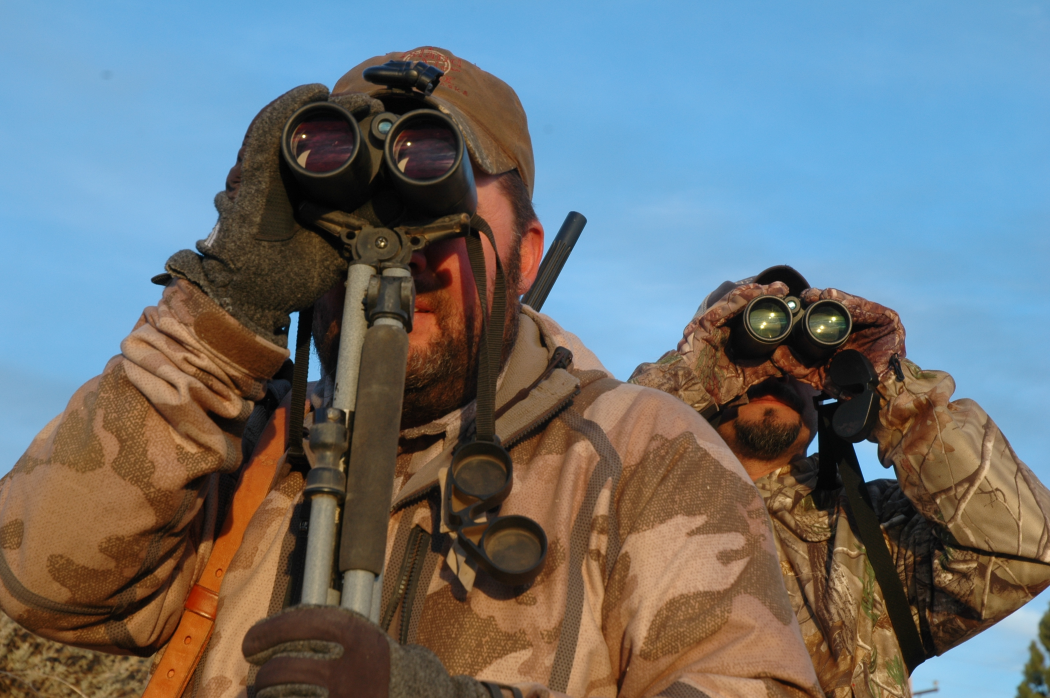
But second chances at mature bucks are rare. I glassed into the matrix of grass and brush ahead, resisting the urge to pan. A suspicious deer stands stone-still. A binocular reveals most when it’s still too! Steadied on a draw cleaving a bluff farther off, my lenses caught sun-glint on antler. The deer moved not a muscle; it had me pegged. So I angled away, up into oaks atop the bluff, then in a long arc back down.
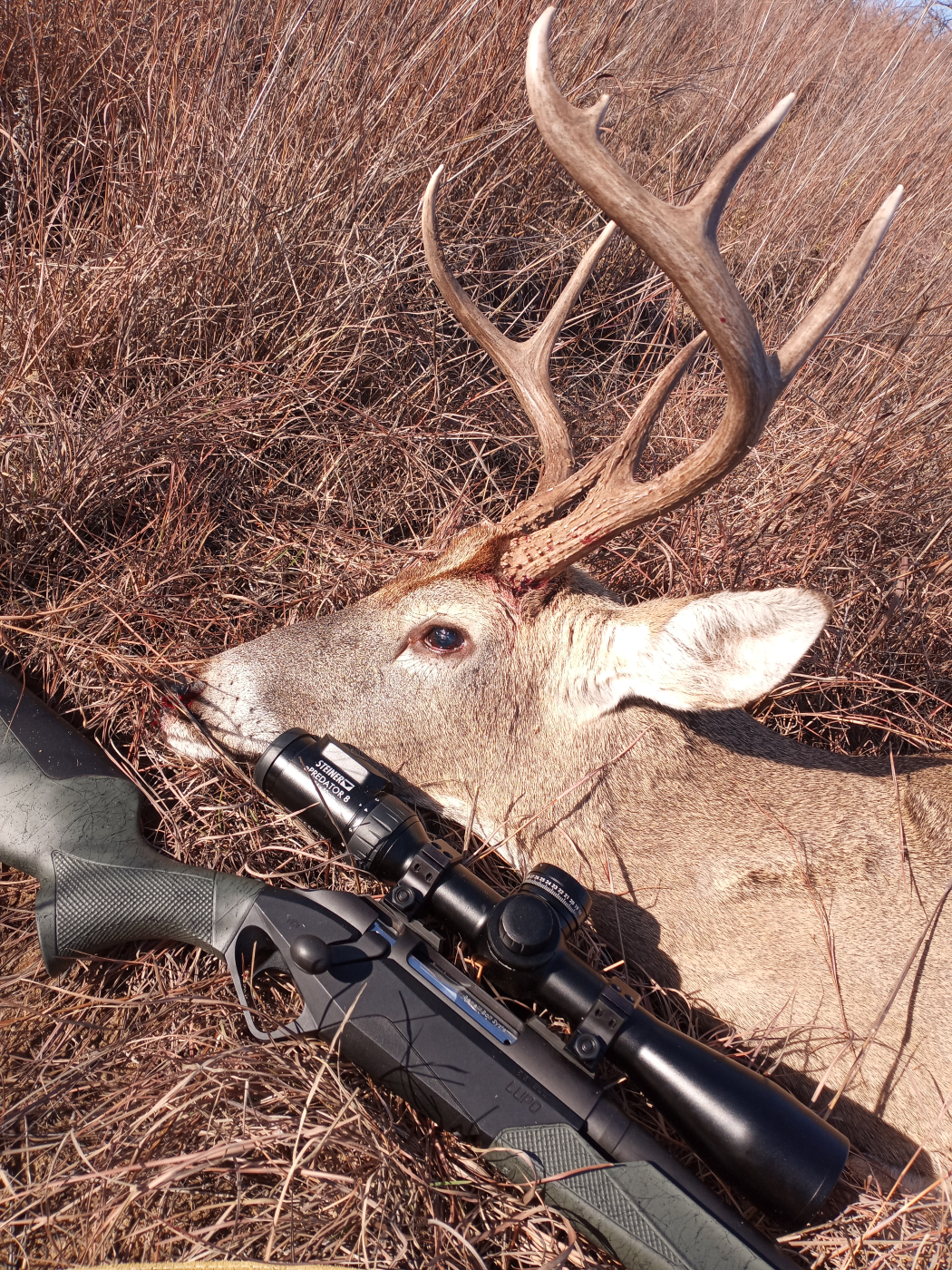
Suddenly a buck and a doe broke cover below and raced away through the grass. Just a couple of leaps from gone, the doe spun for a last look, the buck braking behind. A step brought my rifle to a limb that steadied it for an offhand shot. The blast put both deer to flight. Short strides on, the buck tumbled.
Western Oklahoma is thin on trees. Deer don’t seem to mind, though they’d surely approve more persimmons. Riflemen aren’t trading towers for Spartan grates strapped to tall timber. Even still-hunters might say the prairie has enough trees – given strategically placed limbs to steady their aim
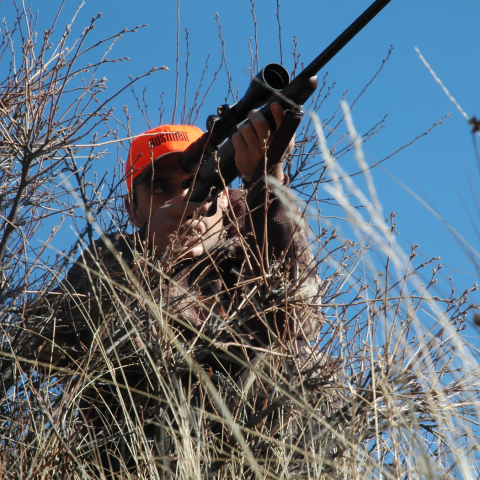
Kneeling is steadier than offhand, especially with a sling, and lifts bullet paths over most prairie cover
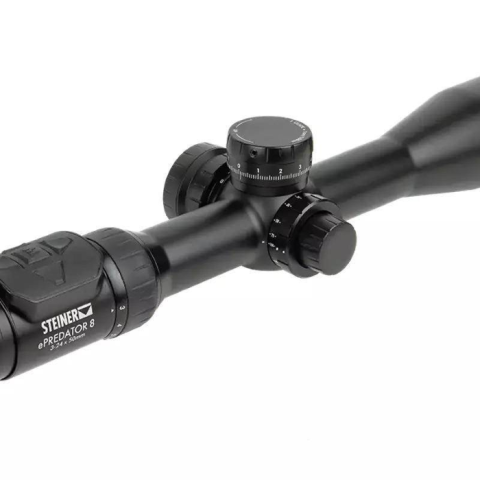
At distance, Steiner’s versatile Predator 8 3-24x50 proved a good match for Benelli’s Lupo in 6.5 Cm.
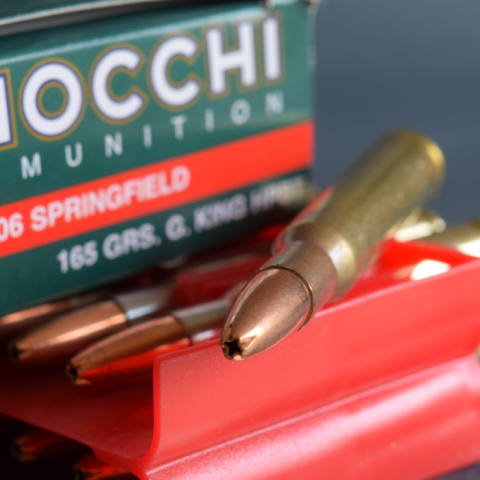
Fiocchi sells several lines of hunting ammunition, here with accurate Sierra GameKing hollowpoints.
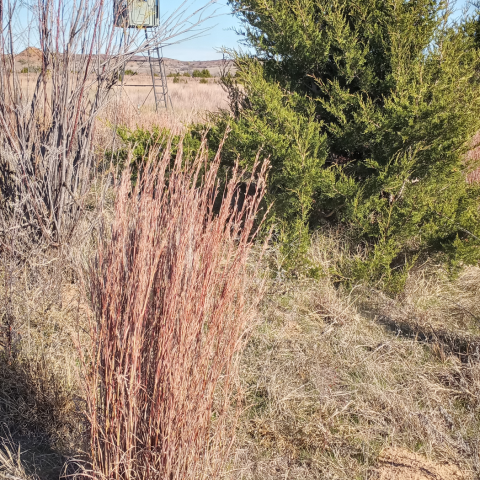
Deer hide easily behind long grass and junipers. Entering and exiting towers, hunters are conspicuous!
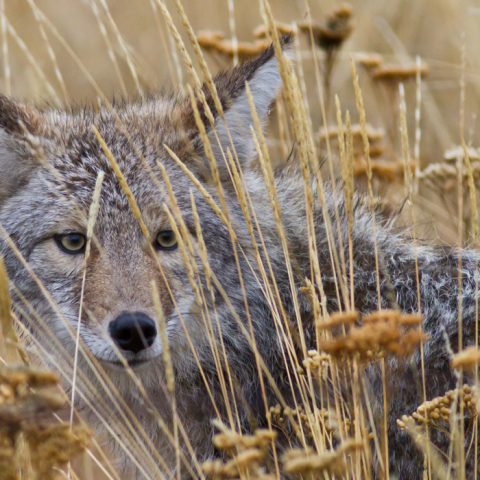
Oklahoma’s rolling grasslands harbor many animals. Coyote hunters hone skills useful in deer season.
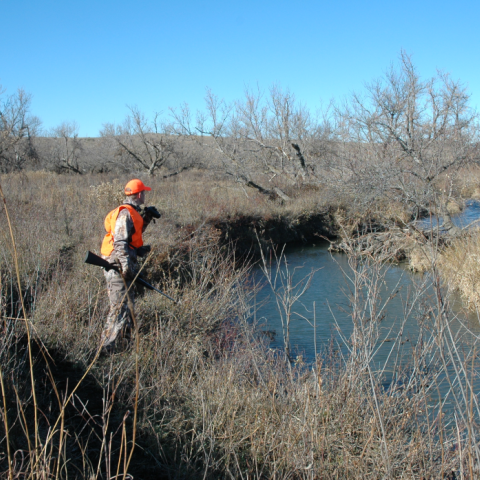
Creek bottoms hold water, nurture brush. Both concentrate deer. This bend has yielded several bucks.