Bird Hunting the Last Frontier
My boot prints were not the first tracks to break the smooth, wet sand along the bay early that morning. I shifted my gun case on my shoulder, wishing my shotgun was loaded and ready rather than safely tucked inside. The large, round track showed five toes topped with claw marks that sunk deep into the sand. A smaller set of tracks followed closely behind it—brown bear sow and cub.
The shore was littered with pink salmon carcasses, the perfect breakfast for a bear and her hungry cub. The tracks lead in the exact direction we planned to set up for a sea duck hunt along the seas edge. “You sure you want us to set up down there!?” I yelled to Jeff Wasley, our fearless leader, over the howling wind. “The bears went that exact direction.”
A small smile and a nod of his head answered my question. I swallowed hard and placed my boot alongside the sow’s track and headed her way to set up for the duck hunt of a lifetime.
COLD BAY, ALASKA
Sitting at the tip of the Alaska Peninsula, Cold Bay is an iconic destination for avid sportsmen and women who want adventure on the Last Frontier. Big game thrives in the area, as do over 142 species of birds, making it a wingshooter’s dream destination.
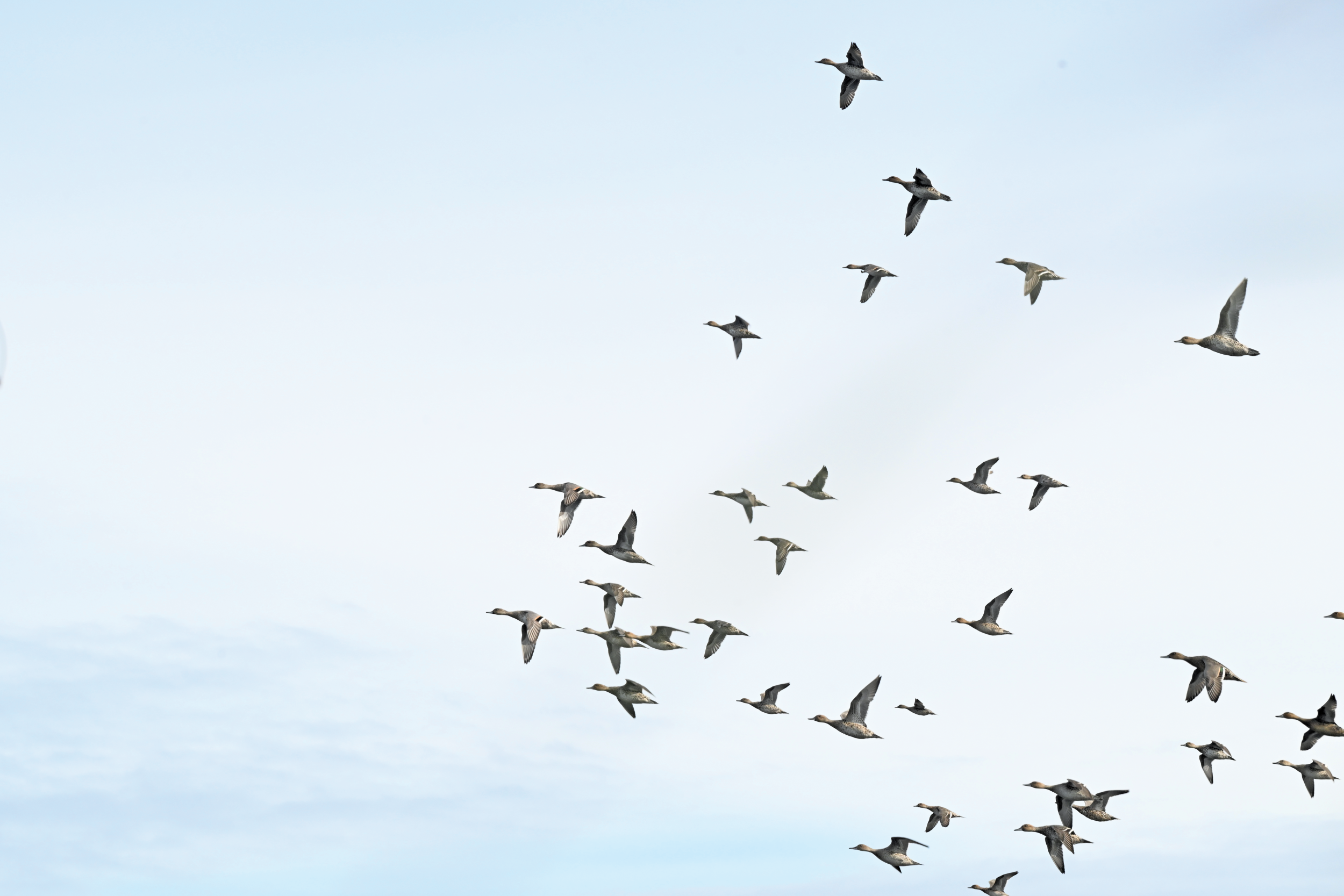
Ptarmigan are plentiful, thriving along the tundra that is littered with berries that keep the birds full, while Pacific Black Brant and various puddle, diving, and sea ducks migrate through the region to feed on the massive amount of eelgrass beds found in the Izembek Lagoon. If you come at the right time of year, your afternoons can be filled with fishing for coho salmon as they spawn in the many local streams. But with salmon come bears—as many as six bears per mile along some streams—the highest densities in Alaska.
My friends and I had flown from the Lower 48 to the Last Frontier to experience Alaska at her best: In the prime of early hunting and fishing season.
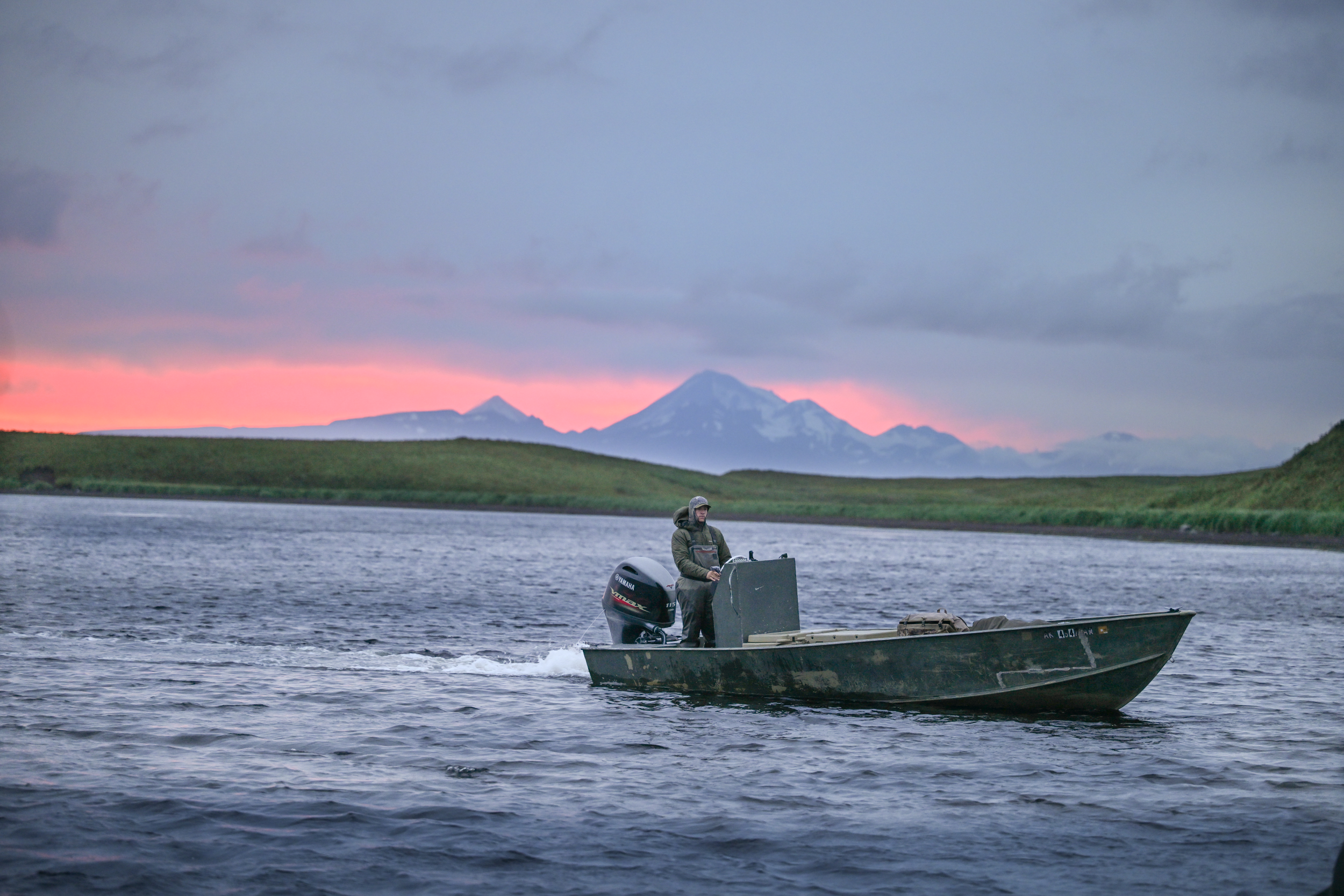
As our flight descended from the clouds, a vast expanse of untouched tundra showed itself through the small airplane window. In the distance, a steep, jagged mountain cut the horizon—Mt. Frosty, Cold Bay’s notable active volcano.
The plane was fighting the gusting winds off the ocean as we made a bumpy, sweeping arc and descended toward a long runway, the one piece of evidence of human existence in this remote environment.
FOUR FLYWAYS
Truly a wild place, the 2020 census recorded Cold Bay’s population at just 50 residents. Aside from the one room airport where the same employee that checks you in, also loads your bag in the belly of the plane, a few houses were scattered nearby, as well as a store with mostly perishable food supplies. And connected to the store: the local bar where residents pile in for a drink and to play a round of foosball.
We were hunting with Four Flyway Outfitters, owned and operated by Jeff Wasley—Cold Bay’s Mayor for many years, but since retired. Jeff is a staple among the Cold Bay residents, having guided many hunters along its waters since 2006. A hardcore waterfowler for over 30 years and retired wildlife biologist, Jeff and his team of expert guides, including avid bird hunter Brianne Rogers, and young, enthusiastic Owen Marsh.
With 14 hours of daylight, we hit the ground running, dropping our bags at the lodge and heading out in hopes of catching a few salmon before dinner. A promise of a cast and blast was fulfilled within a few hours of touching down on the peninsula as the salmon were running at full steam. Within a few casts, I had my first, then second, coho salmon on the line.
DUCK HUNTING THE LAST FRONTIER
It was early September, so temperatures were chilly but not freezing—luckily. Each morning, we jetted across the bay in open boats, while the ocean winds threatened to rip us to shreds. Open water transits along Cold Bay are not for the faint of heart, and each day brought a new adventure of what the weather would throw at us. From blue skies speckled with clouds, to gusting winds that required all hands on deck to hold the boats while unloading gear, each day brought a unique adventure on the hunt for waterfowl.
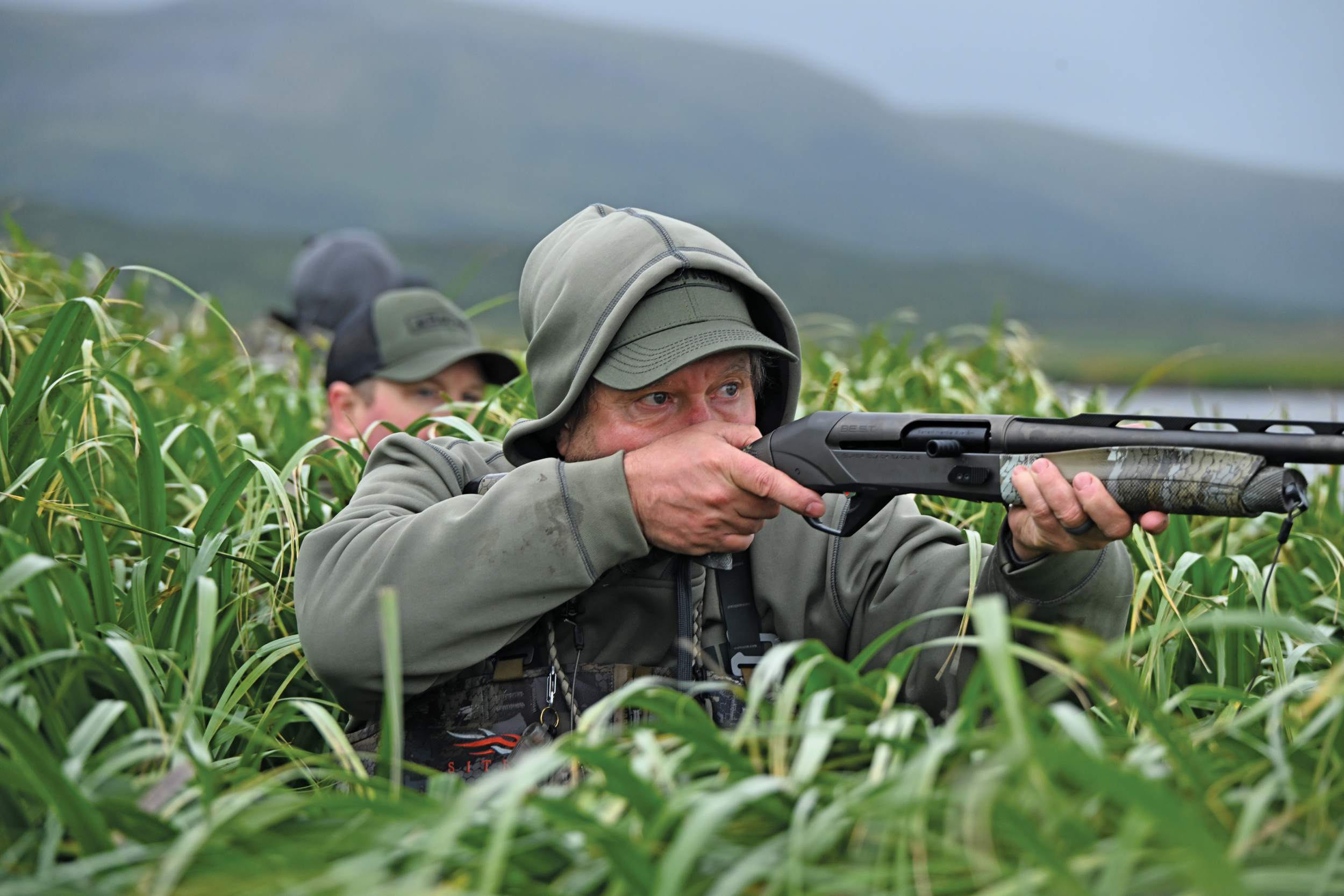
The shallow bays only allowed us to pull the boats so close during low tide before we had to jump out and carry our gear through waist deep water to shore. The tall grasses lining the beaches were the perfect natural blind to hide from flocks of mallards, teal, and the occasional brant, which unfortunately weren’t in season yet.
With direction from the experts at Four Flyways, our group helped to spread decoys before settling into our comfortable hideaways to wait for the ducks to wake up and start flying to feed.
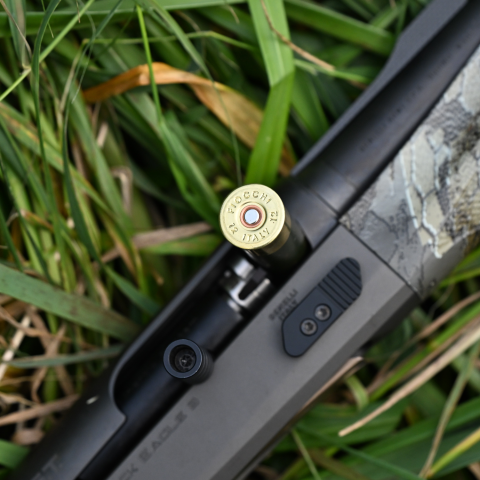
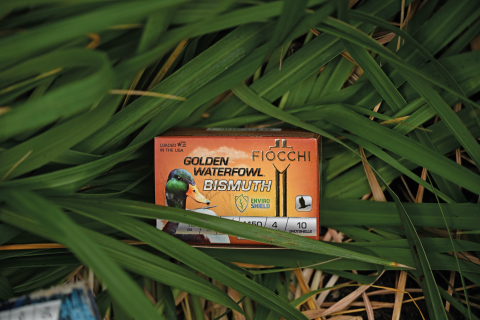
As predicted, the action on the beaches of Cold Bay was packed. One minute, I would be swinging my Super Black Eagle 3 on fast flying teal that darted through our spread, the next, I was sending Fiocchi’s Golden Waterfowl Bismuth loads at cupped mallards. Each time one of us connected on a duck, Owen’s voice echoed across the waters in excitement, his energy making the hunt experience that much better.
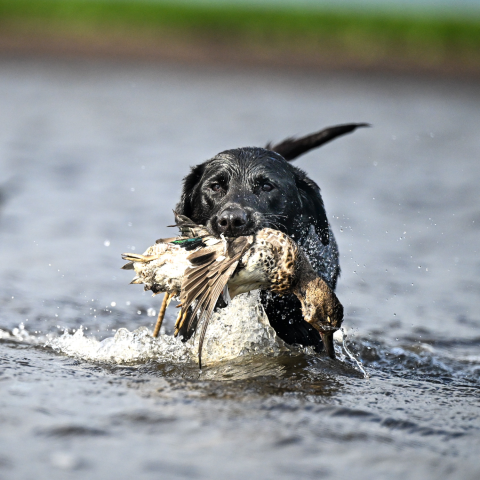
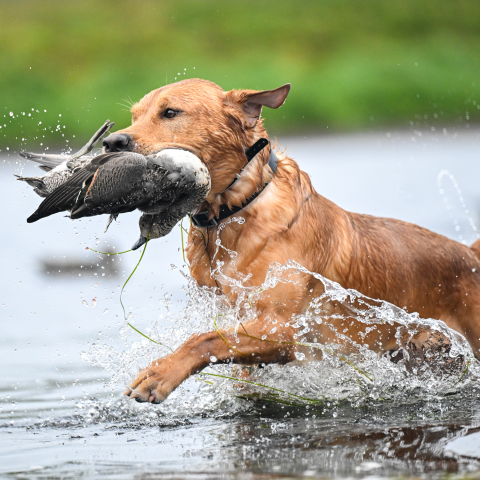
Because we were in the bay, away from dangerous currents, Jeff‘s yellow Labrador, Sprig, and Brianne’s black Lab, Foxxy, would do the hard work for us, retrieving duck after duck with precision and grace. Patriarchs of the hunt, without the two hardworking Labs, we would have lost a few ducks to the sea.
UPLAND HUNTING THE TUNDRA
When back inland, we spent our afternoons with a fishing rod in hand or walking the vast tundra for ptarmigan.
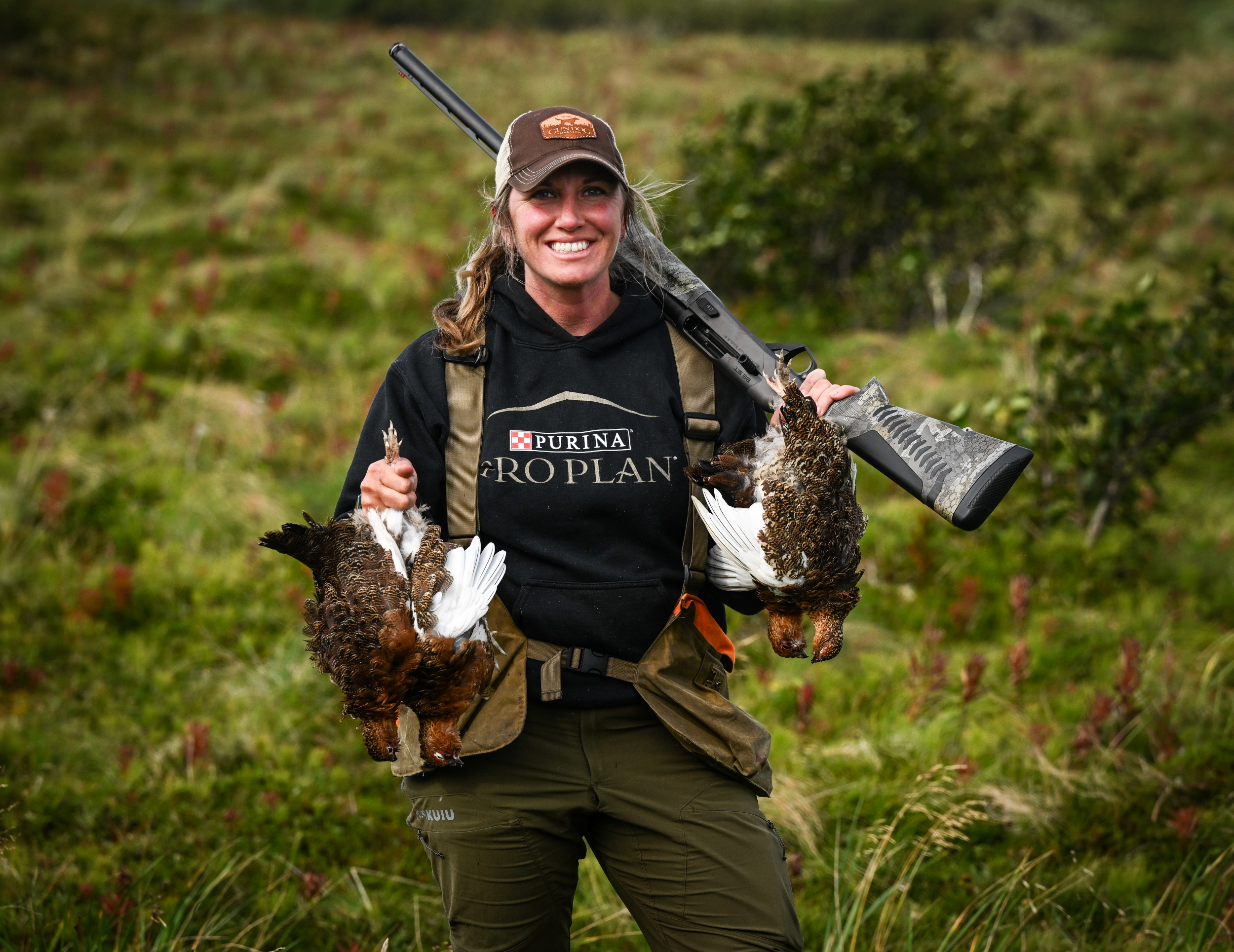
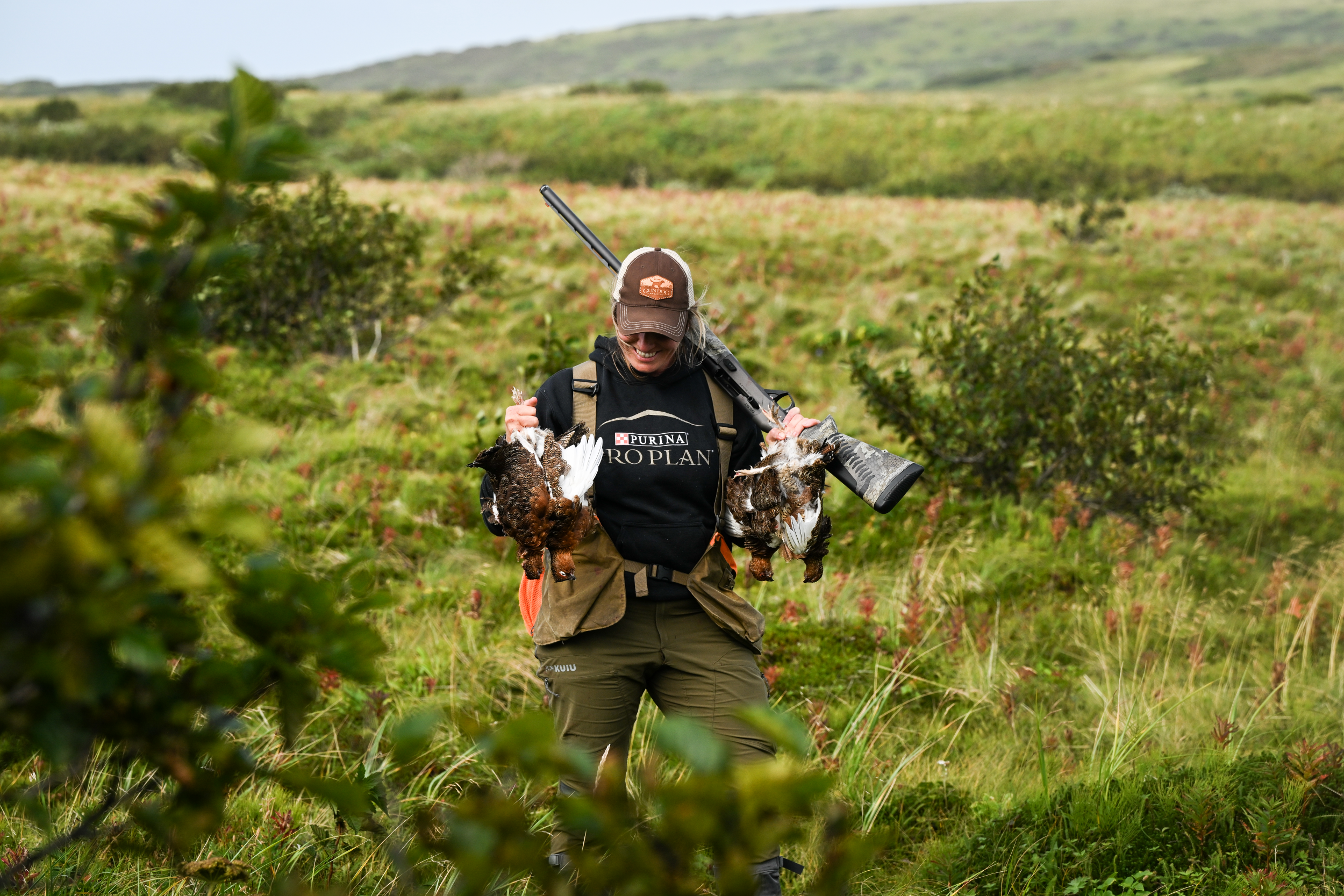
The tundra around Cold Bay is lush and carpeted with dwarf shrubs, grasses, and spongy understories of mosses and lichens. It was the perfect terrain for willow ptarmigan, as the vegetation was covered in crowberries, blueberries, and cranberries, all a favorite of the Alaskan bird—and bears.
Like walking on bowling balls, the hunting was tough and required careful thought and execution—each footstep a risk of twisting an ankle. I was thankful to be carrying the lightweight SBE 3—rolling plains made the trek hard and slow going. Because it was still early in the season, the ptarmigan had not fully molted to their all-white feathers—their brown and dark plumage blended seamlessly into their environment. We put in the miles over the tough terrain, searching for the camouflaged upland game, earning every bird and making it that much more exciting when the flush of a covey met our ears.
THE COLD BAY WAY
The endless daylight made for packed days of adventure on Cold Bay. We spent our mornings in awe of the ducks flying through our decoys, afternoons hiking the tundra for ptarmigan, or watched the sun set as we made cast after cast in hopes the salmon were biting (and they were).
This remote destination lived up to its hype. Between the volleys of shooting, whether that be at low tide on the beach, or along the tundra, I would occasionally see brown bears foraging along streambanks for salmon. They were sharing this special place with us, and we were thankful.