Sidehills and Scatterguns An Appalachian Mountain Hunt
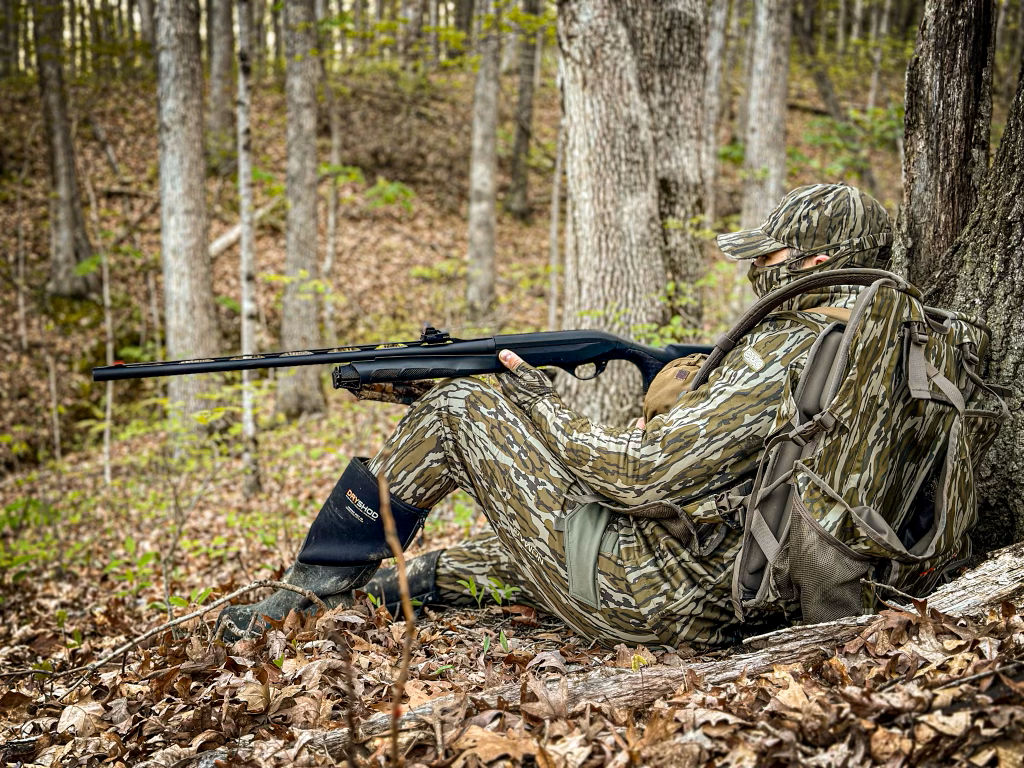
Several to a half-dozen male turkeys began to angle down a sidehill, just a few short moments after spotting them through gaps of mature hardwood growth across an Appalachian valley. My hunting partner and longtime mentor excitedly directed, “get the gun up now, when those birds see this decoy, they’re going to close the remaining distance in a hurry!”
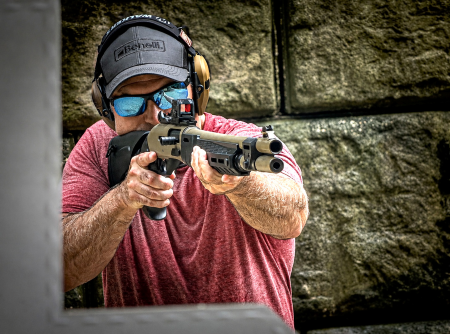
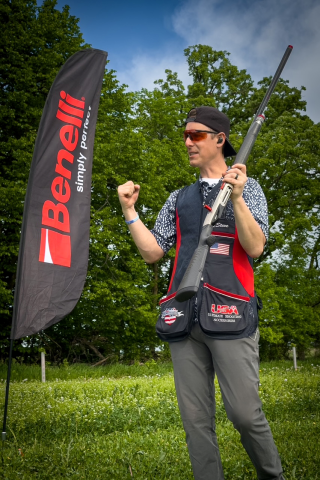
Though the birds were quickly covering ground, indelibly attracted by sweet yelps and a view of the quarter -strut jake decoy, cat and mouse scenarios the previous day reminded us that we couldn’t be overconfident until the now 100-yard separation closed to an ethical range for full-choked 20 gauge shotguns loaded with tungsten shot. This set-up was about to prove that the previous days of preparation for an Ohio spring turkey hunt were purposeful and productive in the aspect of quickly learning new equipment, patterning our Benelli M2 Field shotguns, e-scouting the accessible land, then physically observing several locations to develop an educated approach.
Preparation and the Region
The arrival day for this hunt was spent meeting and greeting two additional acquaintances of the gentleman that coordinated our semi-DIY gathering in the Ohio River Valley. I say “semi-DIY” as lodging and private land was secured along with having reliable input from landowners on prime locations. Otherwise, we had free reign of any accessible acreage to figure out a plan and hunt unguided.
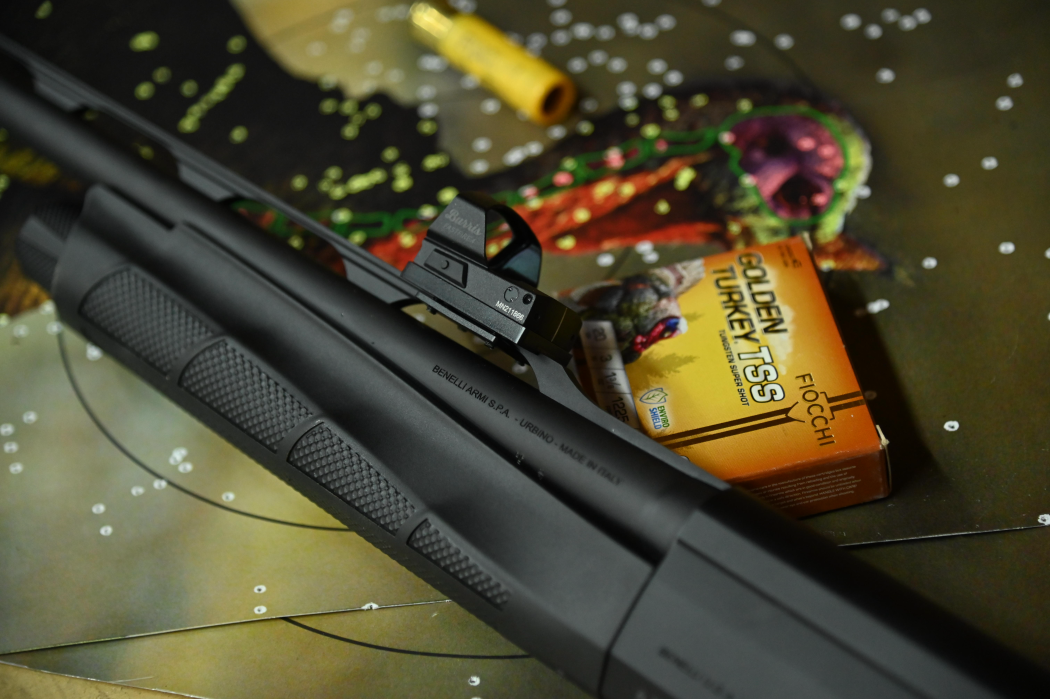
With the season opening the morning after our arrival, we didn’t waste much time and transported the shotguns, each topped with a Burris FastFire 4, to a local private parcel for pattering. Using BOG Deathgrip tripods allowed a steady hold for all users on the improvised range. The mix of 12 and 20 gauge shotguns were fired at Birchwood Casey Reactive Turkey Targets to give the two hunters who are more accustomed to archery equipment a better feel for what shotgun capabilities and limitations are. Immediately after, we scoured satellite imagery of the region and acquired any information on patterns that the landowner has seen and heard up to these mid-April days. We then broke into two groups of two hunters each, and headed out for the hours leading to sunset in hopes of hearing or witnessing a flock of Eastern wild turkeys settle into roost. Of course, chatter of past and upcoming hunts along with a good dose of friendly banter was involved.

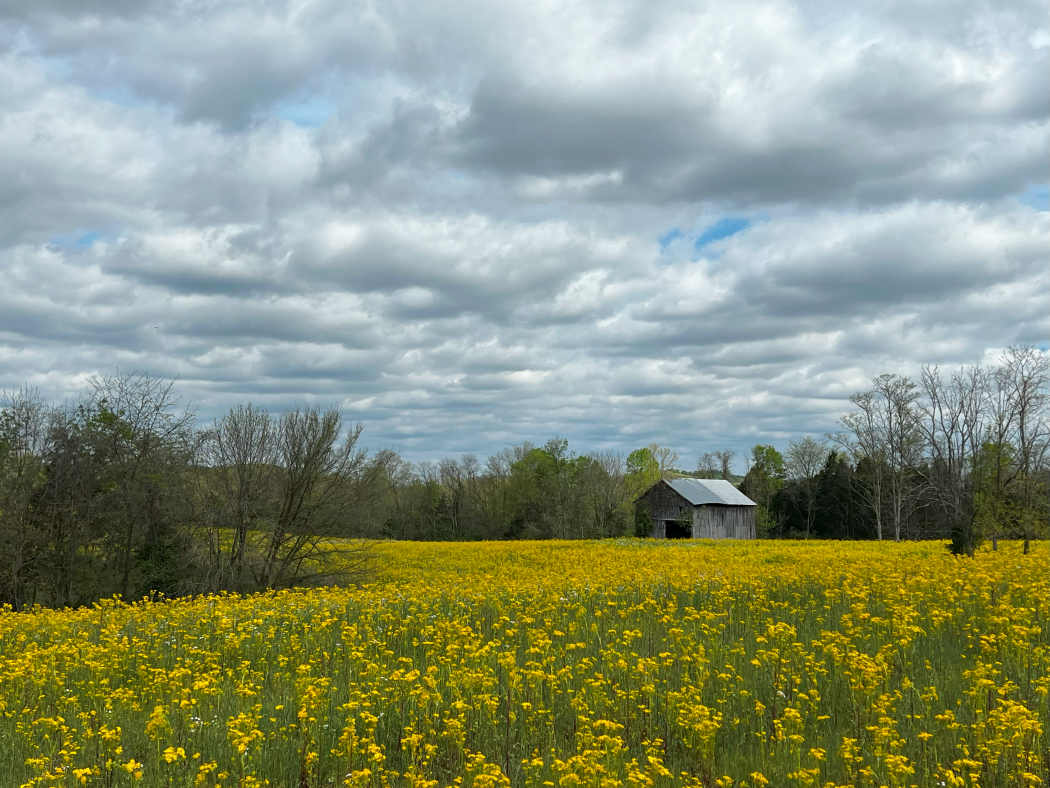
By evening’s end, we had agreed on a morning starting point that would place us on a plateau surrounded by valleys on all sides. If the birds didn’t pitch down onto the cover-cropped flat, the selected elevation would allow us an opportunity to quickly move on level ground prior to navigating the steep draws and spurs to get below the gobblers for an ambush.
This excursion was my first experience of boots on the ground in the southern tip of Ohio. The view from our lodging area provided views of a spectacular hilly landscape covered with vast expanses of oak and hickory. What couldn’t be seen from the lodge windows was how the land is carved with steep spurs and draws at close intervals on every sidehill that we walked and observed. Additionally, the land was littered with “micro terrain” that is not visible by overhead imagery. The hills are manageable, but tougher to navigate than typical Eastern United States woodlots.
The history of the region provided additional appreciation for the dirt beneath our feet. Being a hobbyist collector of native artifacts, I was reminded that our predecessors that inhabited this specific region relied on the land and its resources for many millennia before our arrival. From the early Adena culture and Hopewell tradition to contact period of European settlers, this area holds great history and influenced development of the northeast that is mostly attributed to the valuable waterways of the Ohio River. To spend a few days immersed in it’s wilderness was humbling, to say the least.
A Two Day Hunt
Not due to a lack of effort, the first day didn’t pan out. To our advantage and a turkey’s likely future dismay, we did hear multiple yelps and gobbles. The birds just didn’t fall for our calls and ambush points. We cold called and moved on several turkeys that morning with unfavorable outcomes, but with a better outlook of overall population. For a late morning set, a ground blind was selected to overlook a picture perfect-loafing area, all to no avail. We flat out were unable to fool a tom that morning. All hunters are able to share similar experiences and most of us can say that it happens many times each season. Quelling any theories of where the birds went, we found them on a grassy slope on inaccessible land during the drive back to the cabin. It all made sense at that point – a sun covered grassy opening on an east facing slope; an ideal location to pick for bugs and seed.
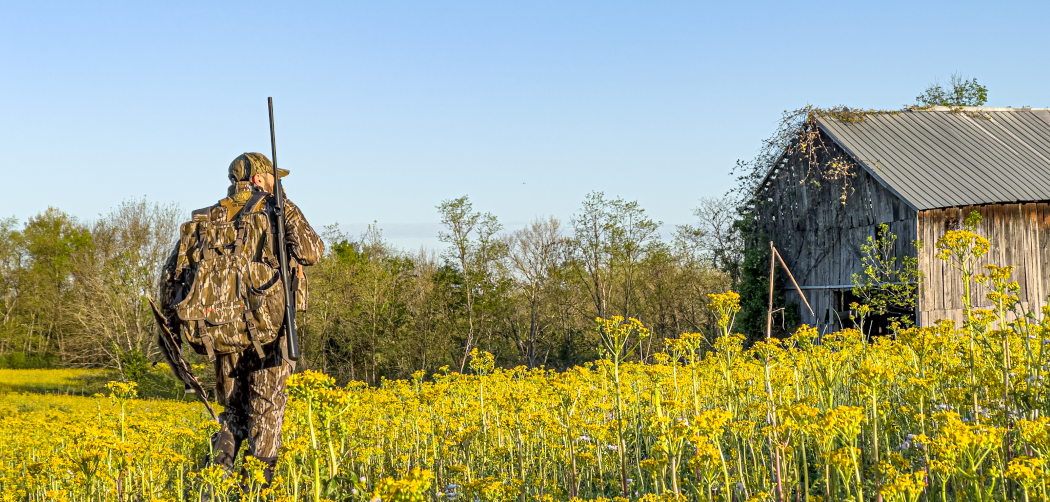
Day two, armed with realtime knowledge from the previous morning, turned into a day of three valuable lessons. Paired up with the same hunter who knows the land from past deer hunts had a great suggestion, “let’s get up there an hour before shooting light and park at the base on the opposite side of the hilltop as we parked on day one. We might be able to cut them off before they leave this block and save ourselves from climbing any elevation.” That plan included enjoying our coffee on the roadside, listening for the birds, then running and gunning as needed - which is my preferred method of turkey hunting. I’m more accustomed to hunting smaller parcels with higher human density and greater restriction on mobility, so this would be great to have such freedom of movement.
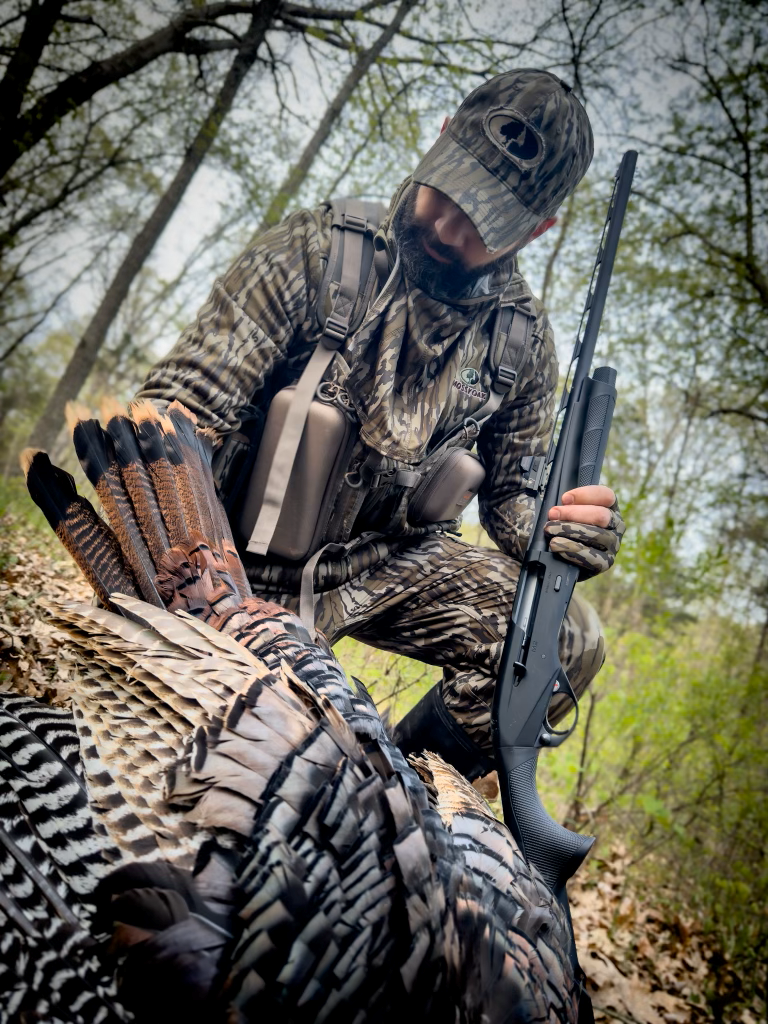
From the road that morning, I heard a throaty gobble well before legal shooting light. Thinking the caffeine hadn’t hit yet, I questioned if it was a gobbler or my ears playing tricks with my mind, so let it sound off once more for confirmation. “I heard one twice up where we were yesterday,” I said. “Want to get him?”, was the reply with a grin. We hiked quickly uphill and ended up back on the elevated plateau. That turkey didn’t make a sound once we were on top, but another gobbler did, and it was another bird all the way back at the vehicle. A sarcastic, “do you ever listen or stick to a plan” is what I was asked next. We rushed the three quarters of a mile back to where we came from, fortunately on a decline this trip. Quickly setting up, the birds showed, were pulled to the decoy, and in what felt like seconds, suddenly surrounded us. The M2 Field’s safety was gently moved to “fire”, its trigger depressed, and my first Ohio turkey collapsed at near single-digit yardage from my feet. Had my partner brought his shotgun on that venture, we’d have doubled. As a good hunting buddy does on occasion, he intentionally left his shotgun in the truck to focus on my success. With that, the lessons were to let your guide or mentor decide and dictate the plan, always have a gun if you have a tag, and when the conditions are right - don’t be afraid to finish your coffee before chasing the first gobble as there might be another that doesn’t require a hill climb. That hunt ended with several hundred feet of elevation traversed to kill a bird 75 yards from the parking area. Exercise is a key to longevity though, right?
Afterthoughts
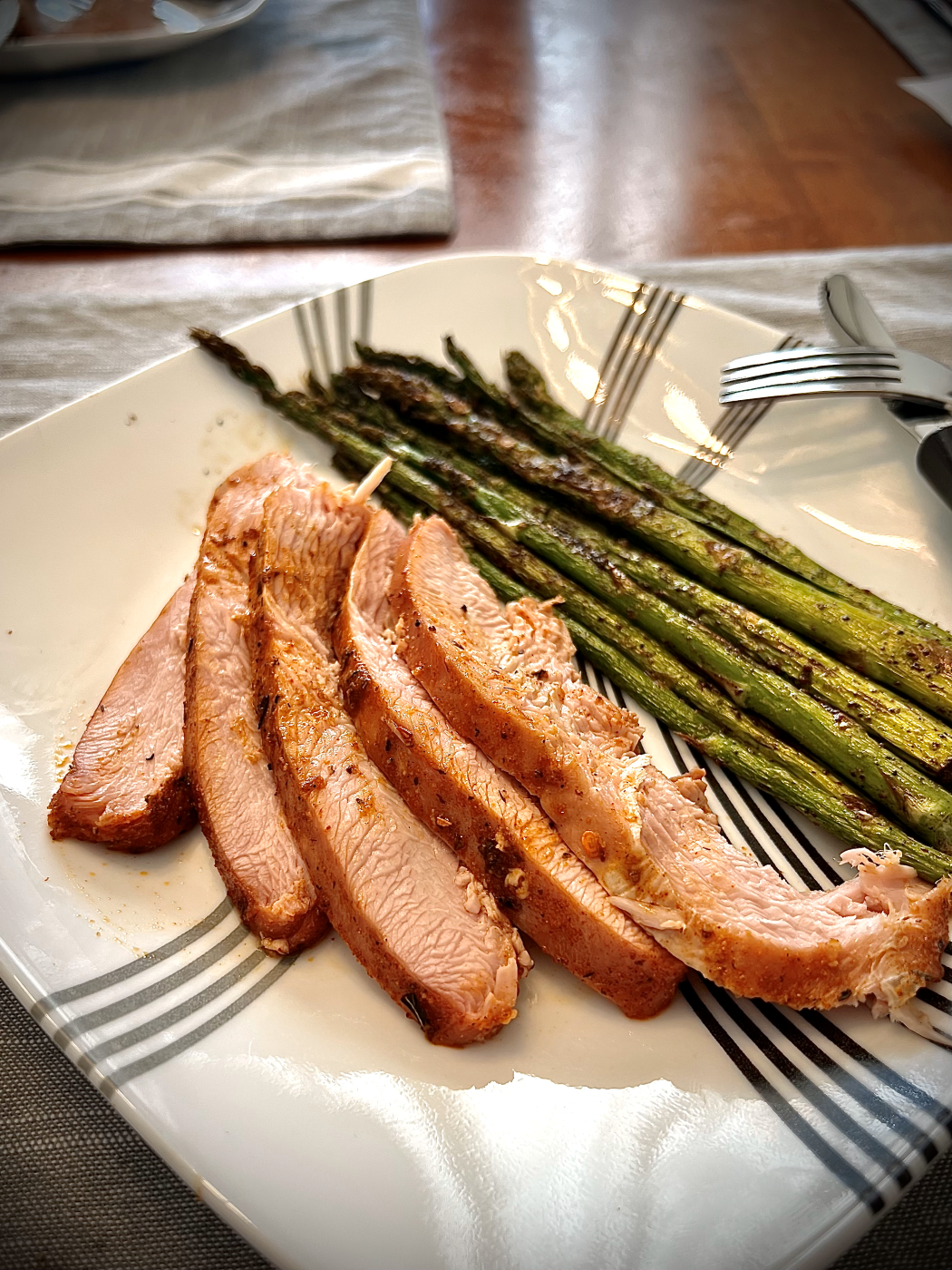
There are intangible gains that I yearn for during each spring hunt, along with a material item or two. Topping that short list is knowledge and experience of a species to carry with me for the next endeavor and the desire to gain historical appreciation for a region. Second, it’s always a bonus to package up fresh turkey breasts for a spring dinner. This hunt provided a bit of all.