Field of Dreams—Montefeltro Magic
There is magic for shotgun enthusiasts in the crisp air of South Dakota, an electric anticipation that hums through the fields of corn and milo. For those who have experienced it, the thrill of pheasant hunting is an addiction. This rush sets the pulse racing and awakens the primal instincts of the hunter. The adventure is best described as a Pheasant Euphoria—a symphony of rustling stalks, cackling roosters, and thundering shotguns echoing across the plains.
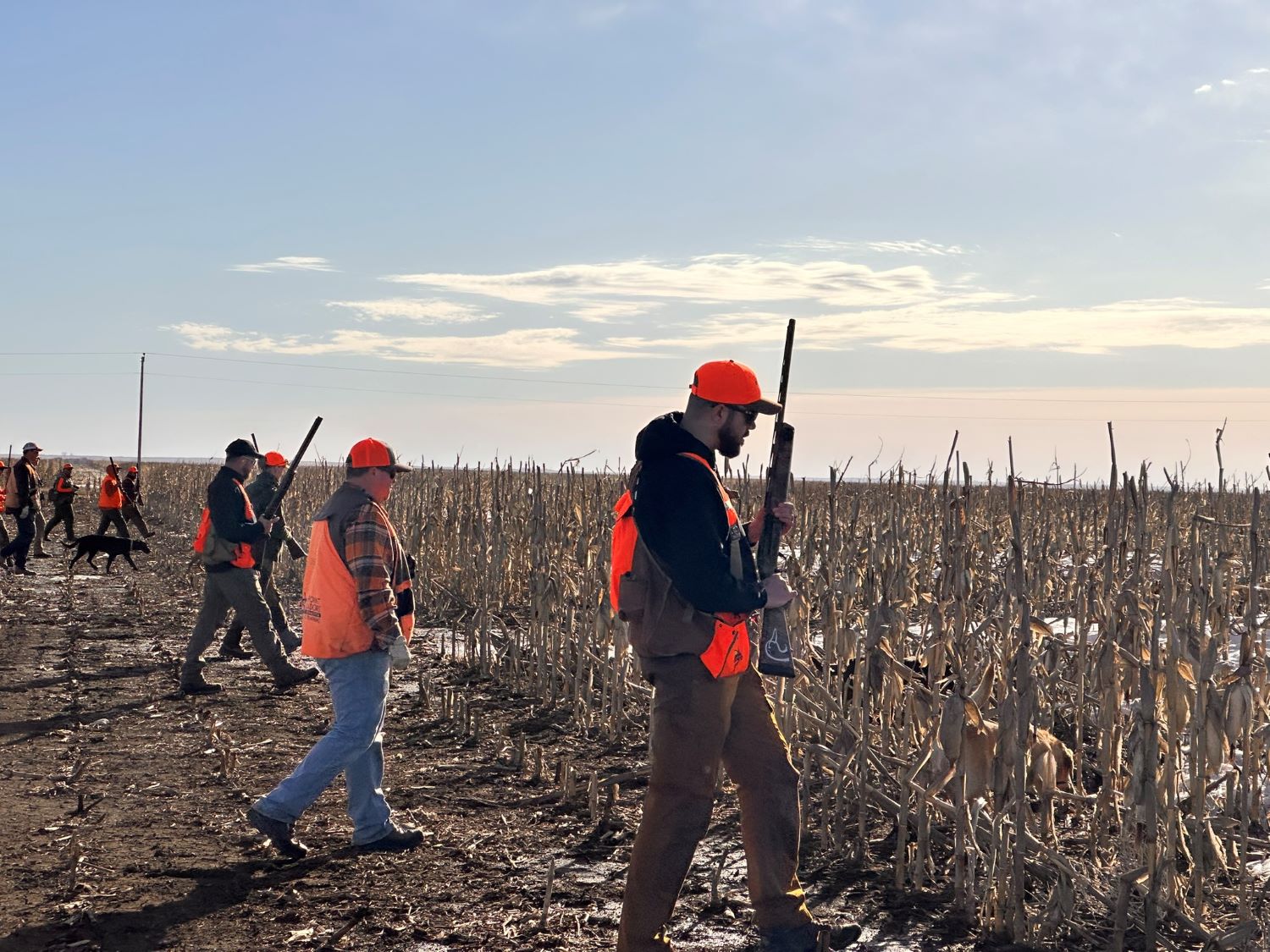
Walking the edge of the cornfield, the slight wind in our favor, we knew the setup was ideal. The dogs, their noses to the ground, circled with nervous energy, sensing the presence of their quarry. Our four-legged friends looked as excited as the two-legged hunters. Every step forward was charged with the promise of explosive action.
Then, in a blur of motion and sound, a rooster burst from the cover, its iridescent feathers flashing in the light as it climbed skyward. Instinct took over, my shotgun came to my shoulder, and the trigger broke the silence. A clean hit sent the bird tumbling, its wings folding midair before disappearing into the golden stalks.
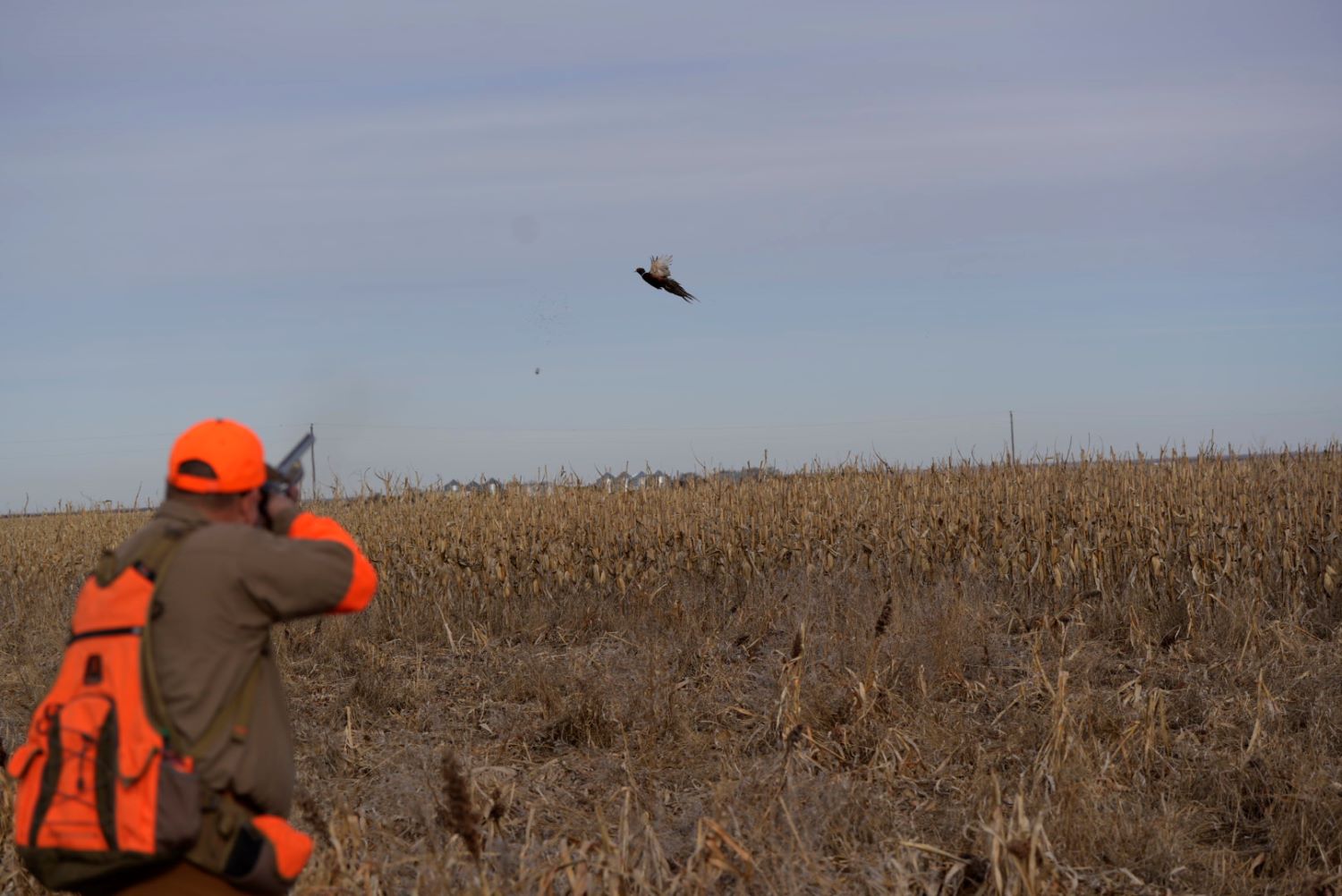
At the sound of my shot, more roosters erupted from the cover. Blockers stationed to intercept fleeing birds swung shotguns hard and fast a hundred yards ahead, connecting with two roosters in a masterful shooting display. To my left, another hunter tracked a bird through the sky, his shot sending a shower of colorful feathers floating on the breeze. It was hard to control the excitement as my heart raced from the fast-paced action.
The adrenaline was instant, coursing through my veins with the intensity of the moment and building with each flush. The field of dreams was why we traveled to the Land of Infinite Variety. The late-season action was the essence of pheasant hunting at its finest.
Field of Dreams
We had begun the hunt at daybreak, the first light of dawn painting the horizon in soft hues of orange and pink. Lining up along a strip of standing corn, we could see the faint movement ahead—roosters already sensing the pressure and trying to escape. The South Dakota air had a frosty bite, making me anxious to start walking. The corn had survived several freeze-and-thaw cycles, giving it a musty smell stuck in my sinuses.
Snow drifts, remnants of previous storms, made for challenging footing. However, the added elevation gave us a momentary vantage point over the field. As we advanced, the dogs worked tirelessly, their keen noses picking up scent trails and locking onto birds reluctant to take flight.
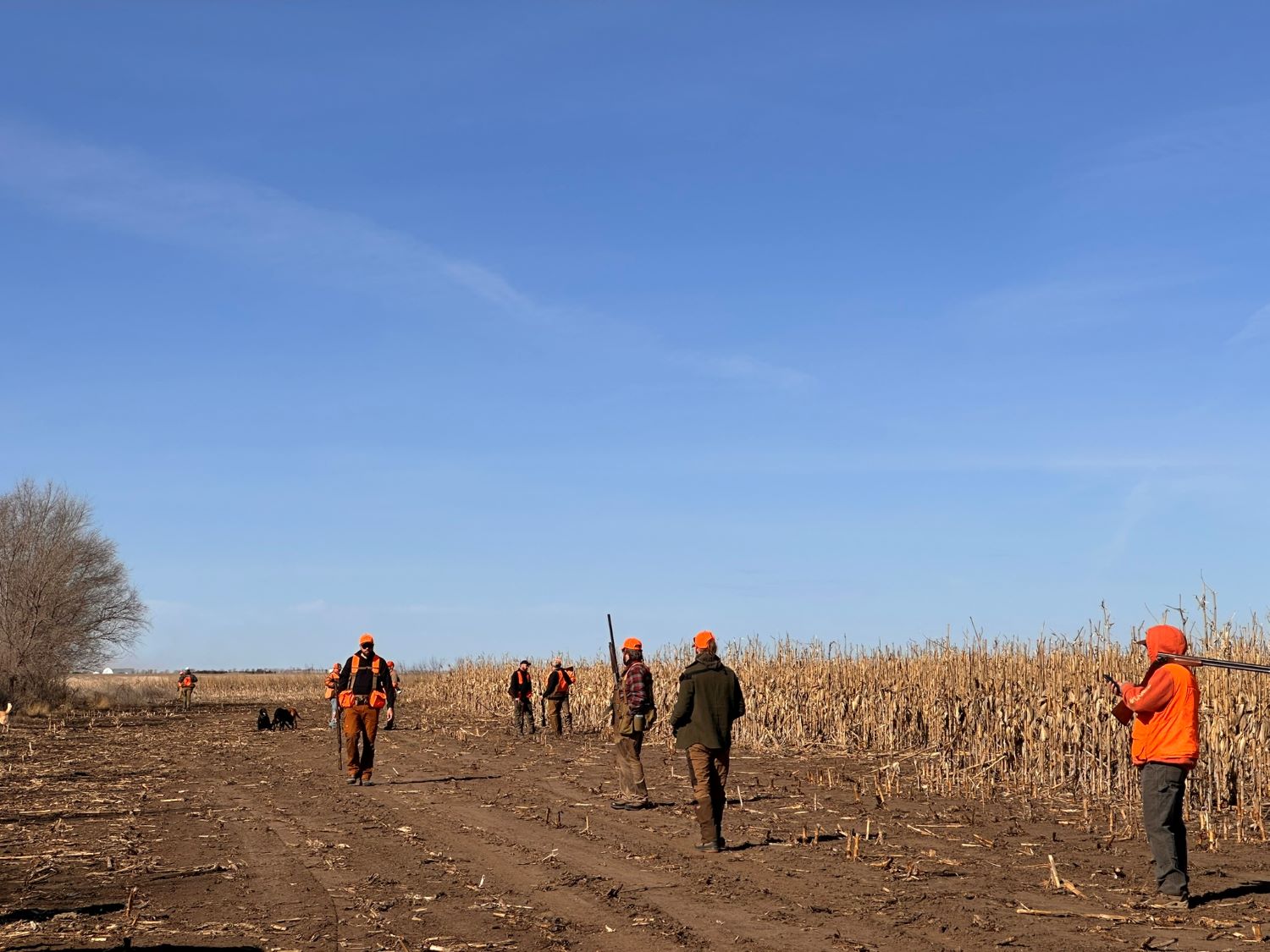
A group of roosters finally decided they had lingered too long and exploded skyward, their wings whirring as they sought safety beyond the range of our shotguns. Our blockers, however, were ready. The thunder of shotguns filled the air, and more birds joined our growing tally. However, more escaped and winged to the safety of remote cover.
Continual hunting action and stimulation were the norm at Highpoint Hunting Lodge in Pierre, South Dakota. The lodge, nestled in one of the premier pheasant hunting regions of the world, had perfected the art of the hunt. With carefully managed fields designed for pheasant production, the opportunity to flush hundreds of birds in a single day was an unparalleled experience.
Each strip of cover presented a different challenge. The most experienced birds knew the game and took evasive maneuvers early, launching into the air at high speeds and banking toward open fields. It was always a gamble—would they make it past the blockers? Would they outpace the shot? The sharp-eyed pheasants would spot hunters and change directions to avoid getting shot. The intuition and evasive actions were hard to believe for a bird with a pea-sized brain.

Nevertheless, the real excitement came at the end of the cornfield when birds held tight, reluctant to flee. The tension was palpable, with every hunter braced for action. When the inevitable explosion of wings and color finally occurred, it was a frenzy of movement, a test of reflexes and shooting skill that would rival any driven pheasant hunt for action and excitement.
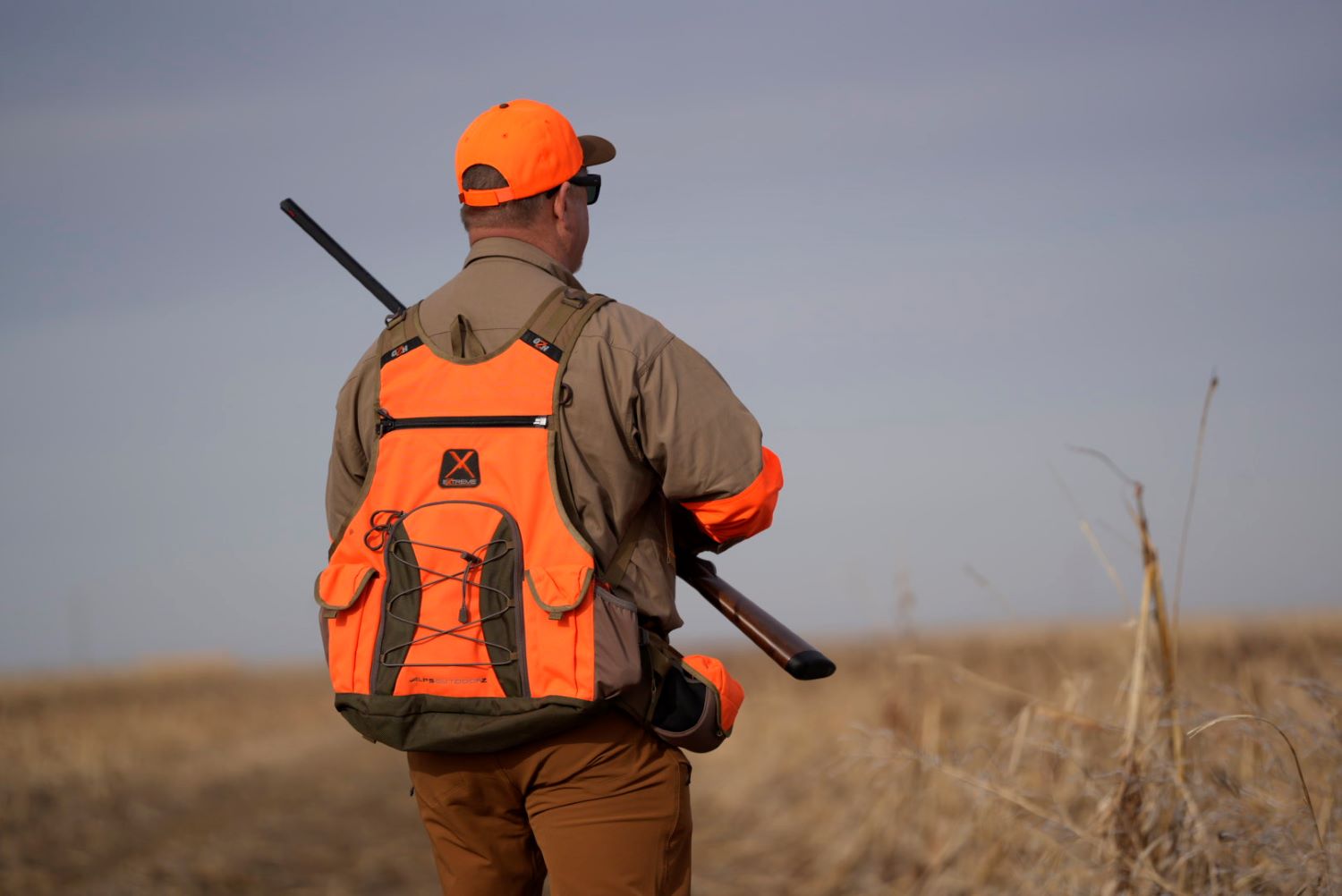
There's a certain poetry in how a good shotgun meets the moment. I was carrying the Benelli Montefeltro, which was redesigned for improved ergonomics. It fit like an extension of my body, and as the day wore on, I felt my confidence grow with each shot. It was comfortable to carry and fast to the shoulder, and I found flying birds intuitive when looking down the rail. I filled my right vest pocket with Fiocchi Golden Pheasant in nickel-plated #6 loads and my left pocket with B&P (Baschieri-Pellagri) in #4 to #6 shot sizes to cover the bases for blocking of pushing.
Despite the growing weight of my boots, fatigue had no hold on me. The excitement of the hunt was enough to push forward, anticipation fueling every step. We transferred birds harvested to a cooler to be cleaned later in the day. It was hard not to handle each one and look at the colors and details. We took a lunch break and returned to the fields to chase more birds in the early afternoon. The sun was warm, our bellies were full, and we marched eagerly for more of our colorful quarry.
Masters of the Hunt
A great hunt is only as good as its dogs, and we were blessed with some of the best. Retrievers and pointers worked in tandem, their instincts and training merging seamlessly. The competition between them was evident when a bird was shot—each dog racing to retrieve downed pheasants, eager to be the first to return to its handler.
Watching them work was mesmerizing. When a dog locked onto a bird, the entire field seemed to hold its breath. The careful creeping approach, the frozen point, the sudden flush was a dance as old as hunting itself. These dogs saw action regularly and were more in tune with the birds and conditions than those carrying shotguns.
The second day of hunting dawned colder and windier. It felt like the heart of late-season hunting, and the birds responded accordingly, flushing wilder and using the wind to their advantage. However, we had adapted, our shots improved, and our instincts sharpened. Day one had prepared us for any challenge, and everyone rose to the challenge.
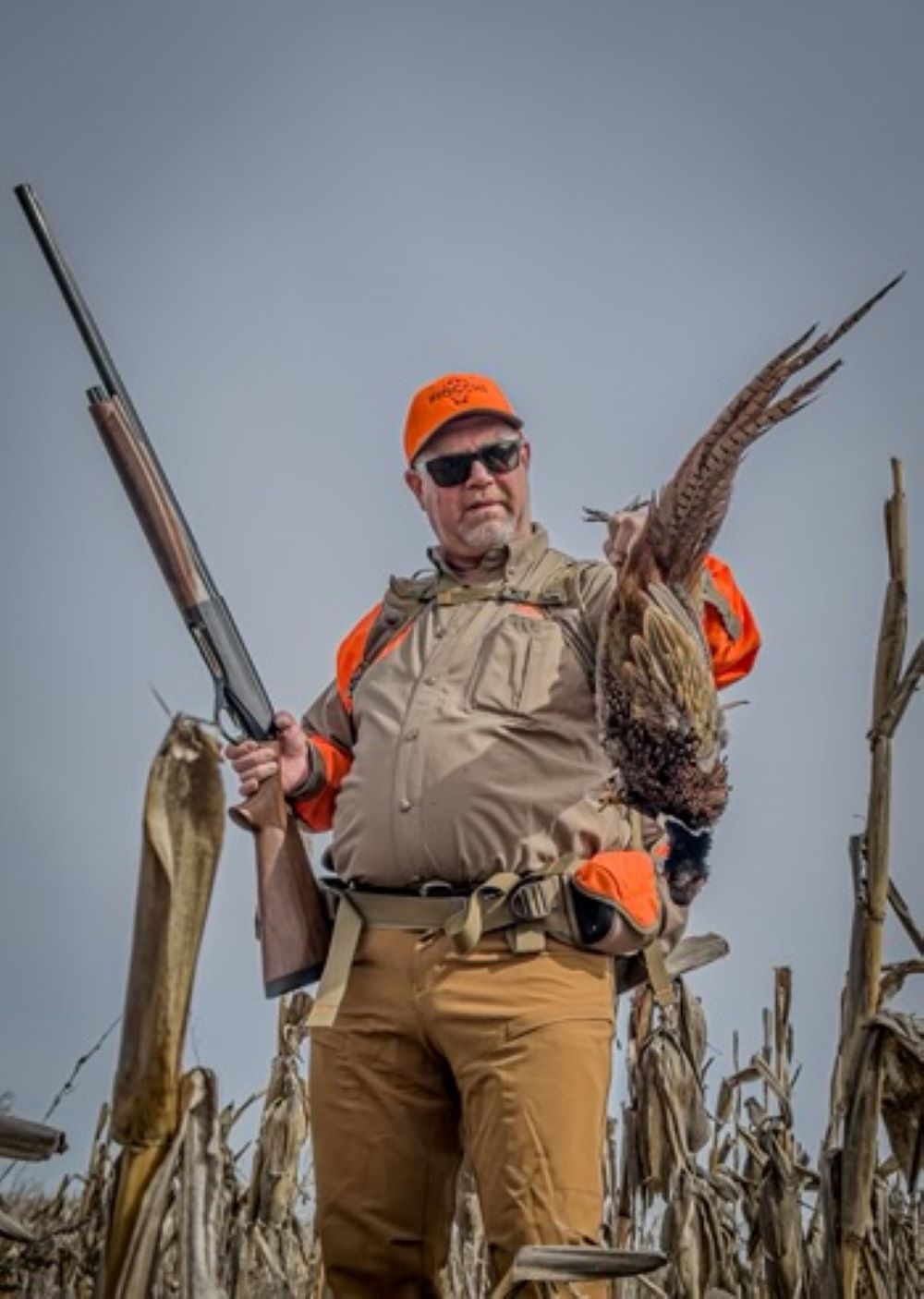
Later, as we pushed cover along a vast wetland, the birds behaved more like wild pheasants that had been hunted for weeks, flushing hundreds of yards ahead. I tracked a massive rooster as it cackled through the sky, with a long lead right before squeezing the trigger. The shot connected, and the bird folded midair—a moment that would stay with me long after the hunt was over. The rooster sported a long and impressive tail. It stood out from others I had already harvested. Is tail length an indication of age? It is hard to tell, but the sharp, long spurs let me know the bird had encountered hunters in the past and had evaded them until now.
Some of our crew had to leave early, and a small contingent tackled smaller cover strips. The hunt became more intimate for those of us remaining. One of the hunters shot a leucistic rooster with an unusual amount of white feathers. It stood out with uniqueness.
There was a deep sense of satisfaction when we were picked up after the last push. The hunt had been exhilarating, with more opportunity than imaginable. We regaled each other with stories and some of the adventure's most memorable sights, sounds, and shots. The dogs lay motionless on the floor with legs and noses twitching as they dreamed of the same unforgettable experiences with each bird encountered.
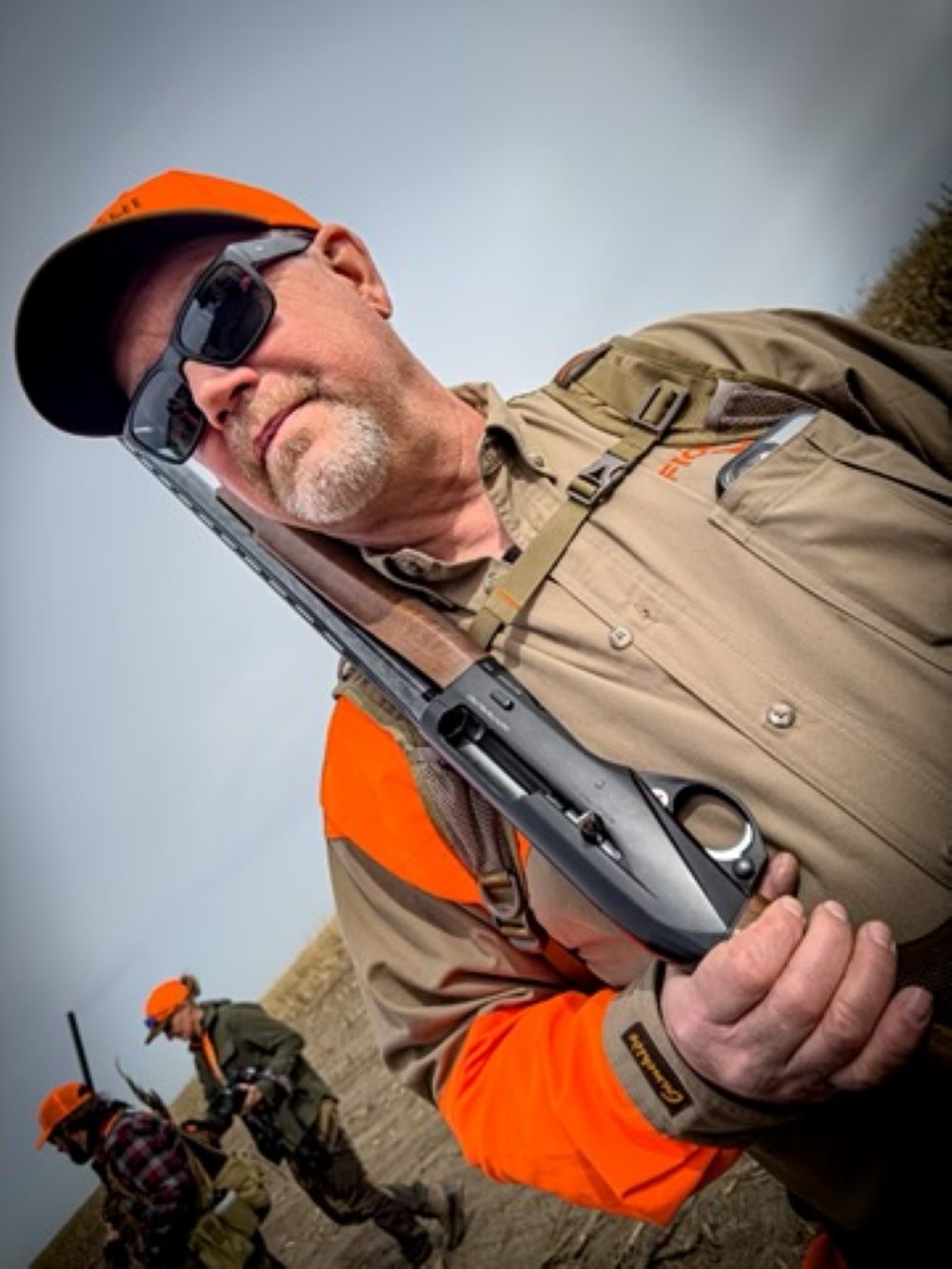
As we gathered around the bar that evening, swapping stories and making plans for future adventures, I knew this was not the last time I would set foot in South Dakota's fields. The draw of the hunt, the camaraderie, and the sheer exhilaration of pheasants exploding from cover had left an indelible mark.
I will return—to chase more birds, to test my skills against the wind and the wily roosters, and to relive the magic of a hunt that fuels the soul. Until then, the memories will sustain me, a reminder of the thrill that only the uplands can provide.
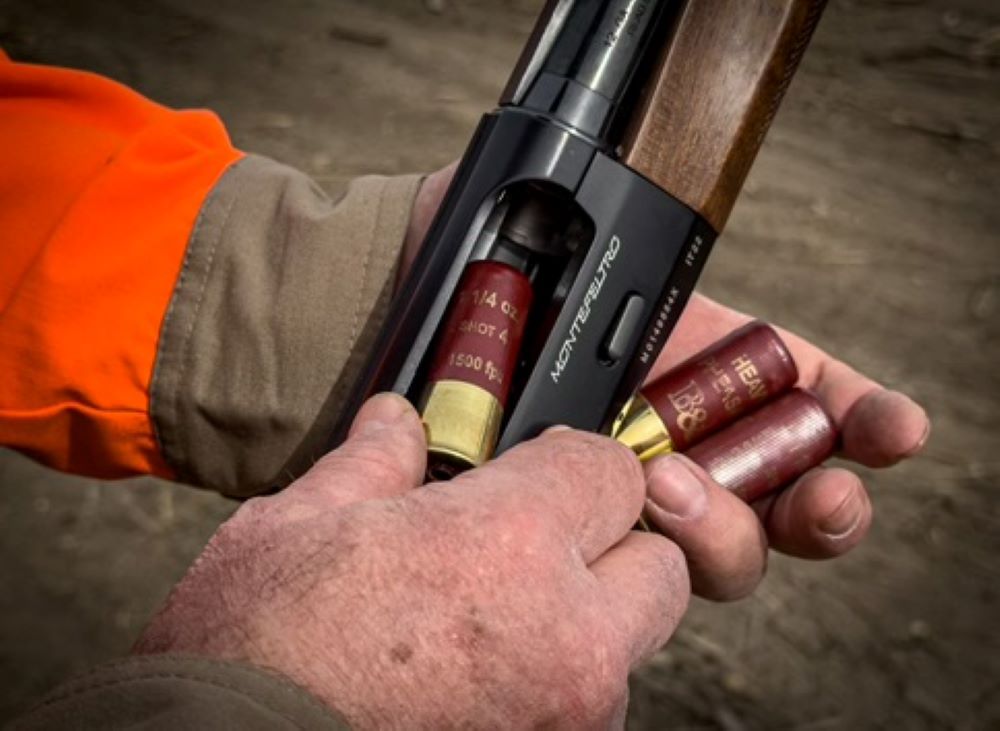
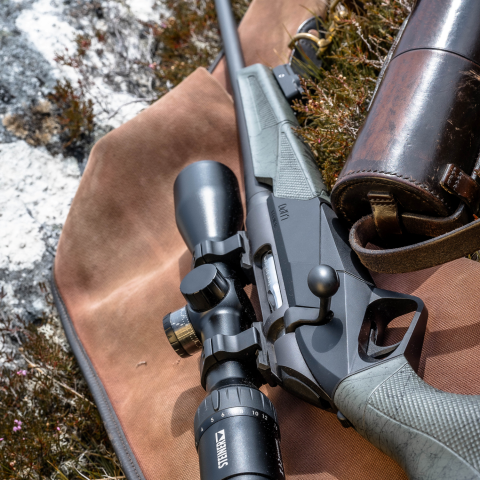
I cleaned my Benelli Montefeltro before carefully stowing it in its case. I reflected on how the shotgun cycled fast and smoothly and how feeding it shotshells was a dream. I had not used a Montefeltro before, but the sleek receiver, pistol grip, and forend made it easy to hold, shoulder, swing, and shoot accurately. The ergonomics were noticeable with a sleek receiver, "Air Touch" grip, forend, and grip panels that replaced traditional checkering for a secure hold. The balanced weight was most notable and helped deliver full, accurate patterns at any range. A future pheasant hunt would have to include a Montefeltro.