Tuning up for big-game season - summer necessities for fall successes.
The Hunt
After carefully dissecting a vast expanse of rolling pastures, fields, and brush-covered fence lines, I spotted the quarry through my binoculars. Knowledge gained from previous hunts showed that this crop field is productive, especially towards the end of shooting hours on any given day. Though easy to spot, the dark tan hide contrasted against the greener foliage from one-half mile away, closing the distance from the public roadway to a more comfortable shooting distance and position would prove to be a more challenging task. This animal was wary, consistently scanning its surroundings between brief moments of lowering its head to feed.
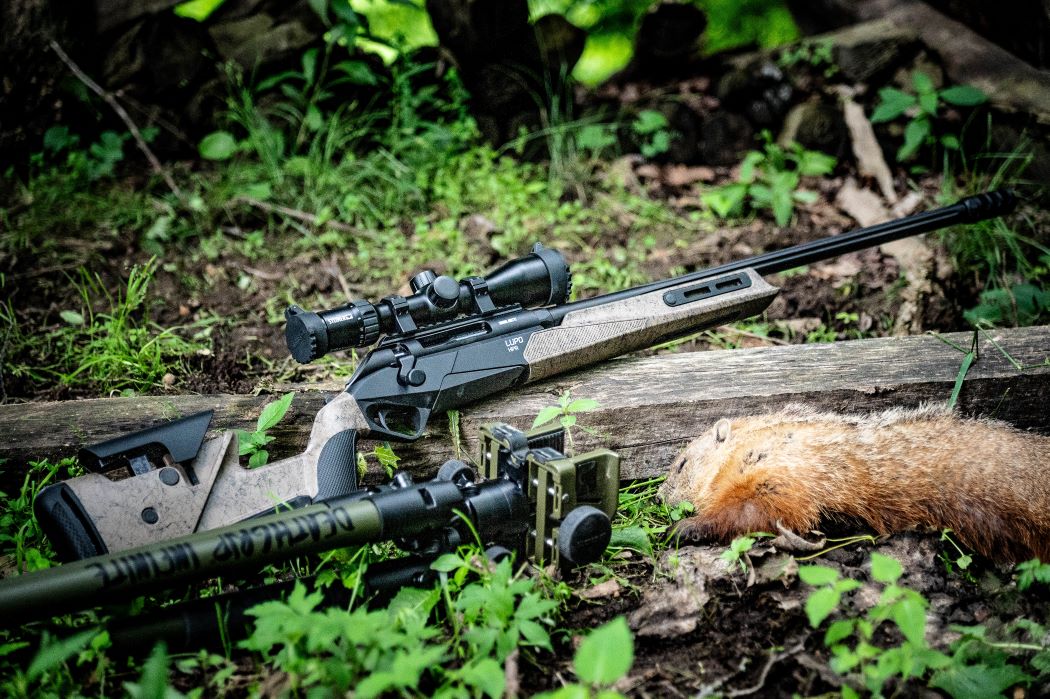
The sole concealed route to the furthest field was a narrow single-lane tractor path, obscured on each side by mature hardwoods. I carefully followed the road, pausing before the curved entrance to the open alfalfa field. This was the last point of cover to unsling the rifle and secure to a BOG DeathGrip rest without risk of spooking any game not spotted from the starting point. Kneeling, I slowly eased into a position that gave an entirely unrestricted view for several hundred yards downhill into the field. The head of the rest was adjusted, and the crosshairs settled on the animal. Safety released and the trigger squeezed, the 6.5 PRC propelled a 130gr Federal Terminal Ascent bullet toward the target. I was confident that the projectile would impact its intended location and quickly anchor the game.
Immediately after recoil, the unmistakable “thunk!” of copper hitting dense hide echoed through the rolling terrain. The rifle was removed from the rest, and a quick but thorough scan of the immediate area was made to recover the shell casing and ensure that no items were left at the final firing point. Packed up, I moved towards the far field edge where the animal was anchored and recovered the first of the season; marmota monax - an eastern woodchuck.
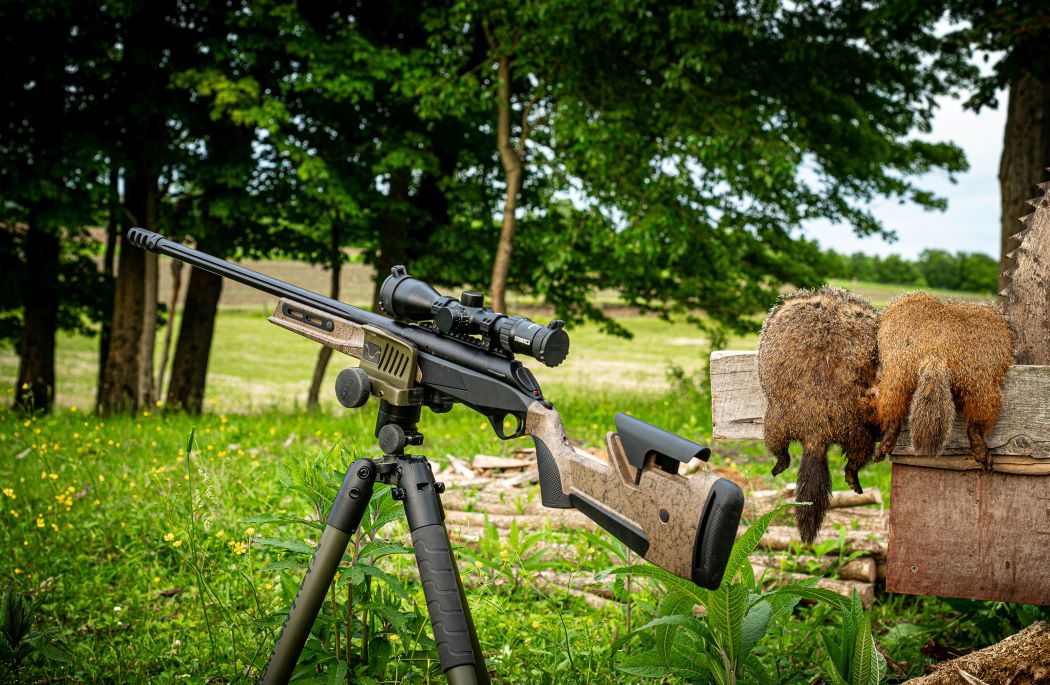
Painting the picture of an everyday varmint hunt may not portray what many readers expected to be a “trophy” game animal that would fill a freezer with an assortment of delectable prime cuts of meat. However, there are valuable purposes for this hunt and the overall experience – to gain confidence and prove personal abilities in the months leading up to our coveted big-game seasons.
Varmint hunting is just one of many ways to familiarize yourself with a platform and is a regular activity on my preseason checklist in preparation for fall hunting. In addition to using a rifle in realistic scenarios on comparably smaller-sized live game during the summer, I carry out several other tasks before, during, and after these hunts. You may find personal extensions to this brief list, but here is a minimum routine or preseason pointers that I follow.
The Rifle
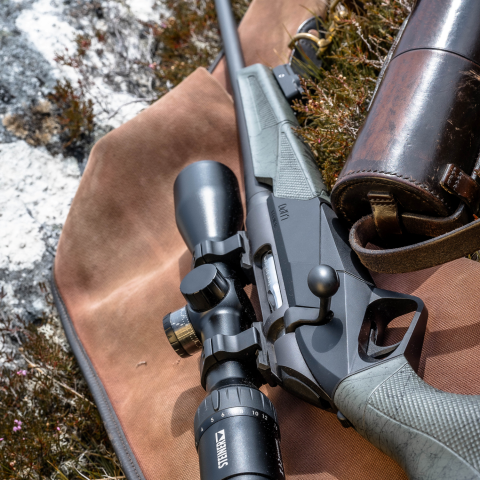
With a new firearm or one not used since the prior season, it is a good habit to confirm proper torque specs of all bolts and screws for rifle parts, optic mounts, and accessories. Failure is unlikely when properly torqued during initial assembly, but things happen, and the time to remedy it is before you’re on the next mountainside.
Knowing that the rifle was packed, transported, used hard in rugged terrain, and undoubtedly collided with solid objects on a strenuous trek gives good reason to ensure the optic didn’t slide or cant in the rings, along with securing any other attachments. Remedy this potential issue from the comfort of your home, not the austere environment of a backcountry camp. An ideal time for this is upon the last postseason detail cleaning of rifles and gear.

Range Time
After cleaning and re-torquing any bolts and screws, the rifle is taken to a known-distance range and fired from a sturdy bench and solid rest. This is to conduct the initial zero or confirm data from years past. Once zero is established, typically at 200 yards, I’ll spend as much time as an ammunition allocation will allow to shoot near and far targets out to maximum expected hunting distances. This will validate data from a ballistics calculator or trajectory approximations on a factory cartridge box. Afterward, a great practice drill is to step away from the bench and shoot in real-world field positions. Take this time to shoot standing, kneeling, or sitting, and prone from a tripod rest or a filled pack – that is how you will be shooting at the game. Develop a method of quickly securing the rifle to rest and adjusting for height, then range a target and fire. Consistency is vital and saves time when the process is second nature.
During this range session, steel targets are preferred, as they give immediate feedback if hit or missed. Various distances are fired using the adjustable elevation turret and ballistic reticle at multiple magnification levels, providing the optic has these features. This is paramount when using a second focal plane optic, where the reticle size is only calibrated for a specific magnification. When the moment counts, know that you can hold over the target without the total aid of the calibrated reticle. An example would be shooting in the last minutes of legal shooting light, and maximum magnification is too dark of an image. Know that you can back the magnification down to let more light to your eye and confidently dial the required elevation adjustment or Kentucky windage the point of aim. Repeated mixing of scope magnification and target distance will force the learning curve.
I had avoided range days during inclement weather in the past – now I look forward to it. Hit the range when crosswinds are challenging, forcing you to account for the worst conditions. It can initially be an exercise in futility, but with careful and observant reflection, you will learn where to place the crosshairs when the moment counts.
An effortless way of recording “come-ups” or holds is storage on a smartphone in an easily accessible folder for later transfer to a range card or app of your choice.
This is also an opportune time to refit the gun to you. If the stock is adjustable, confirm the correct length of pull and proper cheek piece height for multiple positions. Again, don’t use big-game field time as the learning experience; use the accommodations of your local range and the varmint hunting earlier discussed.
Varmint Hunting
As the example in the introduction proves, varmint hunting is an extremely valuable activity and training tool. In Pennsylvania, our groundhogs are nuisance animals that many farmers will appreciate their removal. Prairie dogs and rock chucks are other small target opportunities that can aid in building confidence in your shooting skills and hunting set-up. They are a fraction of the size of a typical medium to big-game animal and force the hunter to aim more precisely, select more solid shooting positions, and generally hold harder on target. Compared to a static target on a flat range, the varmint will detect hunter movement depending on hunter and predator pressure, is not stationary, and is unpredictable, similar to your big-game endeavors.
Closing
To give a short synopsis – know your gun and know it well. Learn and understand elevation and wind hold, build steady shooting positions, and develop a repeatable process for activity between spotting the game and squeezing the trigger. Drill it until it’s second nature.
It’s all too easy to let summer slip by and then find yourself racing to prepare for fall pronghorn, deer, and elk seasons. At one time or another, we’ve all been found guilty of shelving a proper preseason tune-up for other obligations. I encourage you to enjoy the warm weather with a rifle in hand to get in the fall mindset now instead of later. Your hard-to-draw tag will be more easily filled in those final moments when you’ve adhered to the “aim small, miss small” and “perfect practice makes perfect” mentality.