Late-season Alberta Fowl Follies

The early December morning woke up slowly. At this time of year, the sun travels at a steep angle across Alberta's southern sky, creating a slow and deliberate sunrise. There was no sudden burst of daylight. Instead, the eastern horizon gradually brightened, promising a little warmth once the fireball finally climbed high enough to make a difference.
The ducks didn't seem to mind the late start. They certainly didn't rush to leave the water where they had roosted overnight. That suited us just fine.
We were set up along standing corn that cattle were systematically grazing. An electric string fence was simply moved as more feed was required, leaving the grazed portion short but littered with kernels and broken cobs. The mallards had discovered the groceries, and judging by the number of birds using the field, word had spread.
We had been tucked into our layout blinds long enough to get comfortable. Stories were being swapped and anticipation was building when the unmistakable sound of whistling wings brought every conversation to an abrupt stop.
It was time. We sank into the layouts and covered our faces.
A flock of about 40 mallards buzzed the edge of the field before banking into a wide circle. Fully plumed late-season drakes stood out immediately. Brilliant green heads flashed in the growing light above dark chestnut breasts. The colors helped us spot prime drakes as the flock spun together, seemingly choreographed to dance its way into our decoys.
The mallards lined up and came straight at us. Wings cupped. Feet dropped.
The birds sailed toward the ground until they were almost hanging over the decoys. As they started to backpedal, the command to shoot transformed us into Jack-in-the-boxes. Blind doors flew open and hunters erupted from the ground.
I picked a big greenhead and dropped it cleanly. As the flock scrambled for altitude, I found another drake and sent a second load of steel. The bird folded. Mallards can turn chaos into distance in seconds, but one drake had committed too hard. My third shot caught him climbing away. He folded too. A natural triple. It was quite an introduction to a new shotgun.
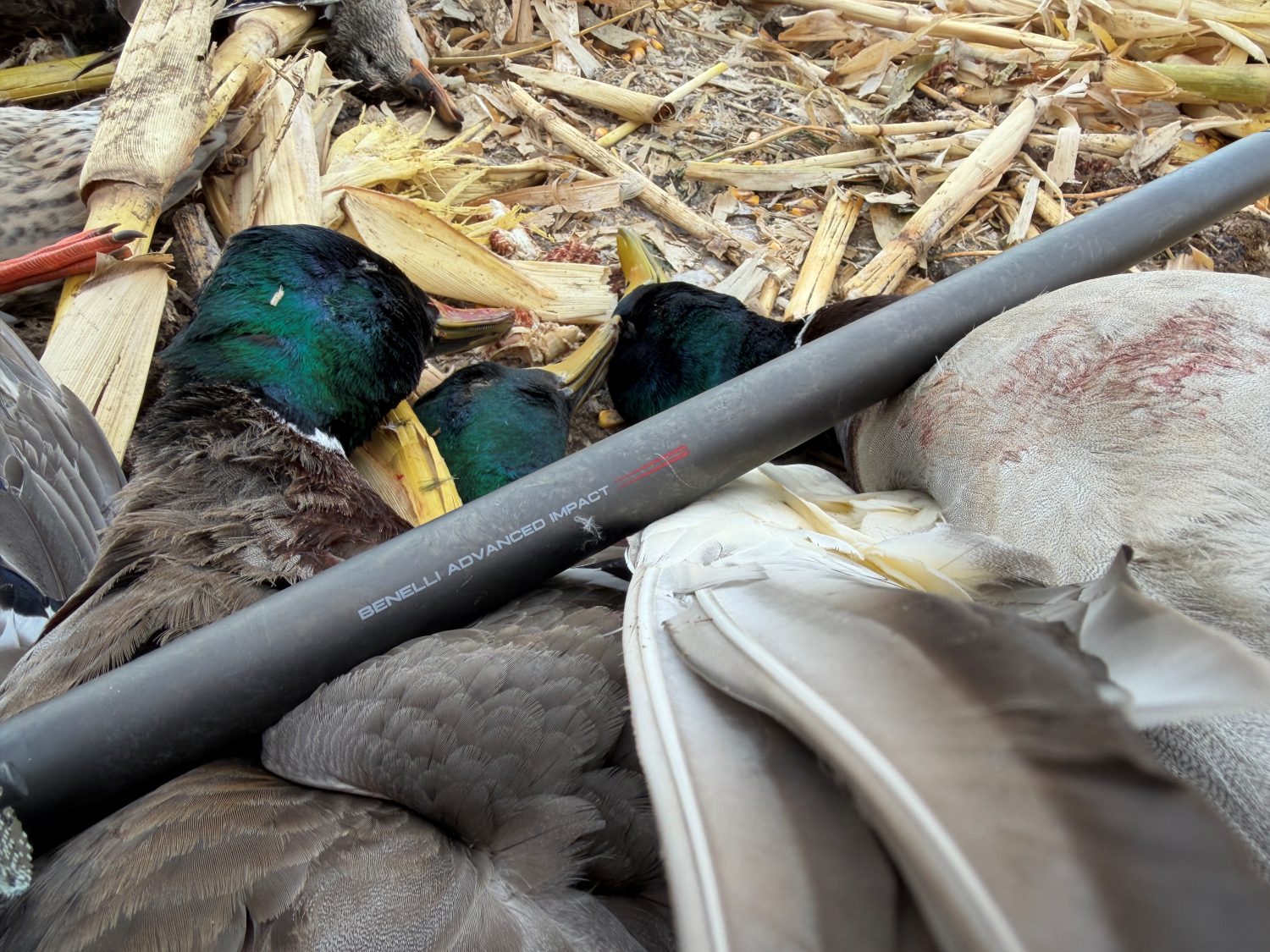
A New SBE 3
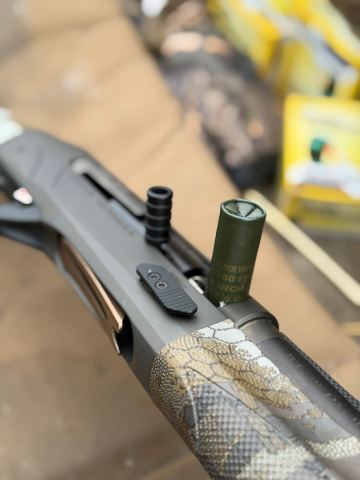
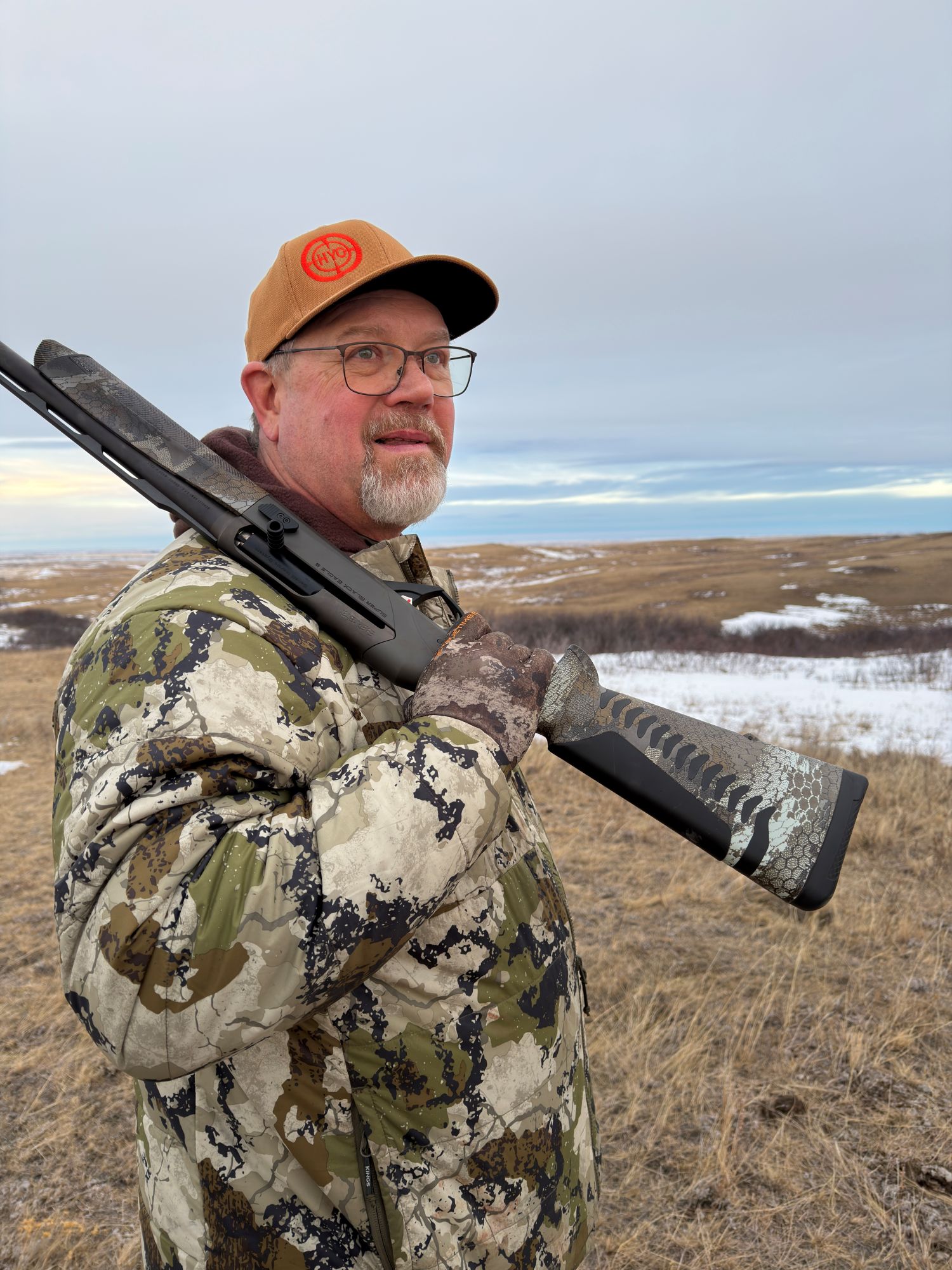
The hunt was my first with a Benelli Super Black Eagle 3 fitted with an Advanced Impact barrel. I had spent weeks shooting before the trip and knew I was seeing targets well and swinging properly. Confidence is earned with a shotgun, and practice had provided it.
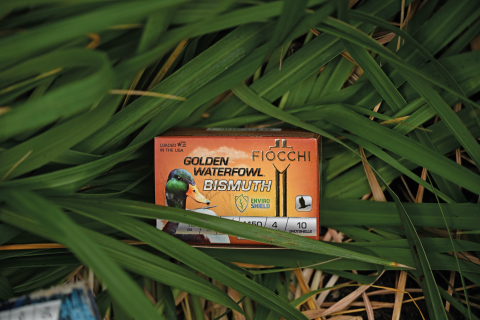
Still, something was different. The patterns seemed to reach with authority, and the steel payloads were hitting hard. Benelli designed its Advanced Impact barrel and choke system to produce tighter, more consistent patterns. On a late-season hunt where birds can be cautious and shots aren't always directly over the decoys, that can be an advantage.
I wasn't interested in stretching shots simply because a shotgun might be capable of it. The real advantage was putting more pellets where I was looking at normal hunting distances.
The first flock certainly provided a convincing demonstration. We didn't have much time to discuss it, as another flight was coming.
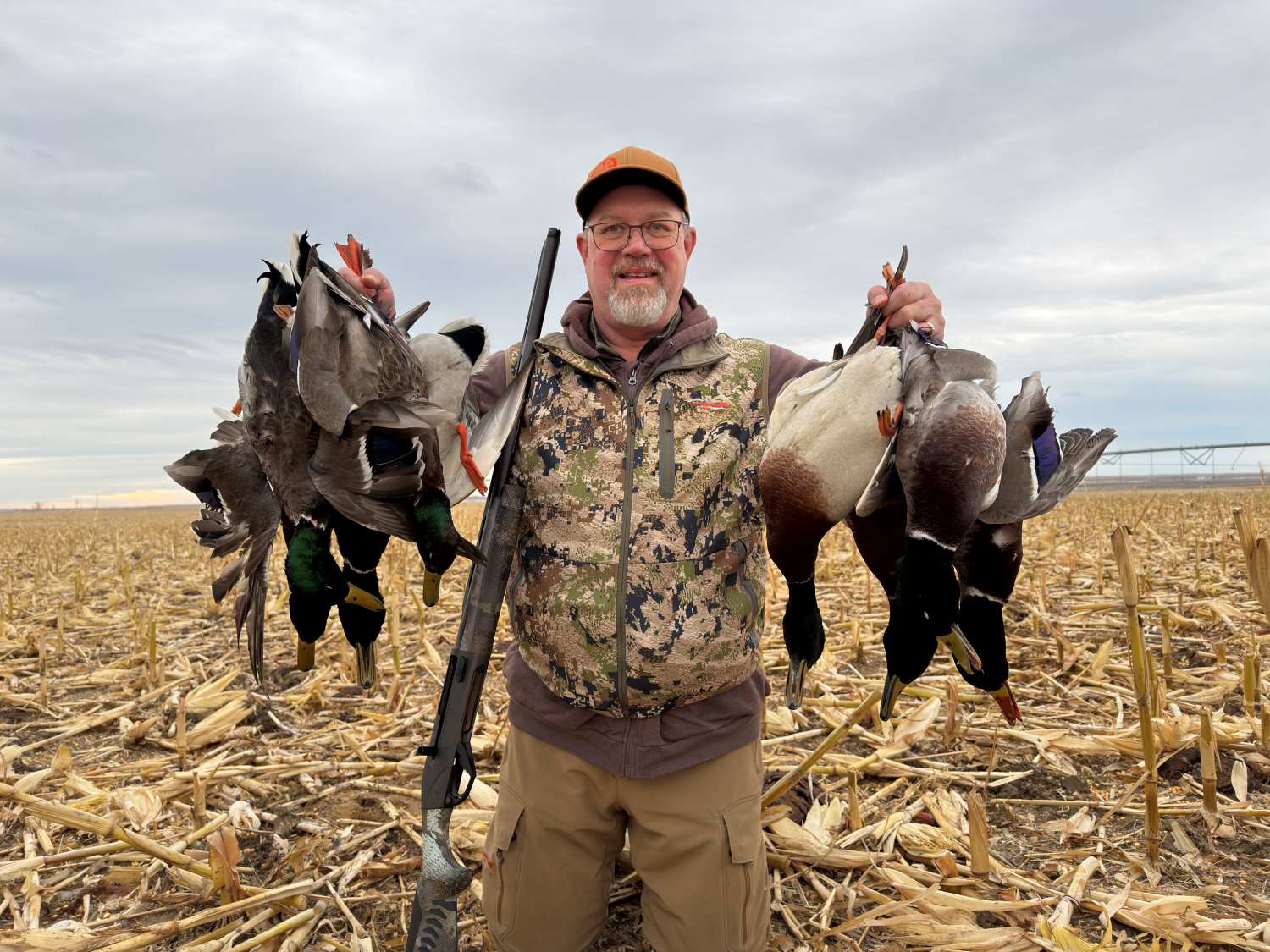
Bright feathers, flashing wings and the excited chorus of mallards snapped everyone back to attention. The birds circled and committed, creating another rainout of late-season greenheads and plenty of excited chatter from our lineup.
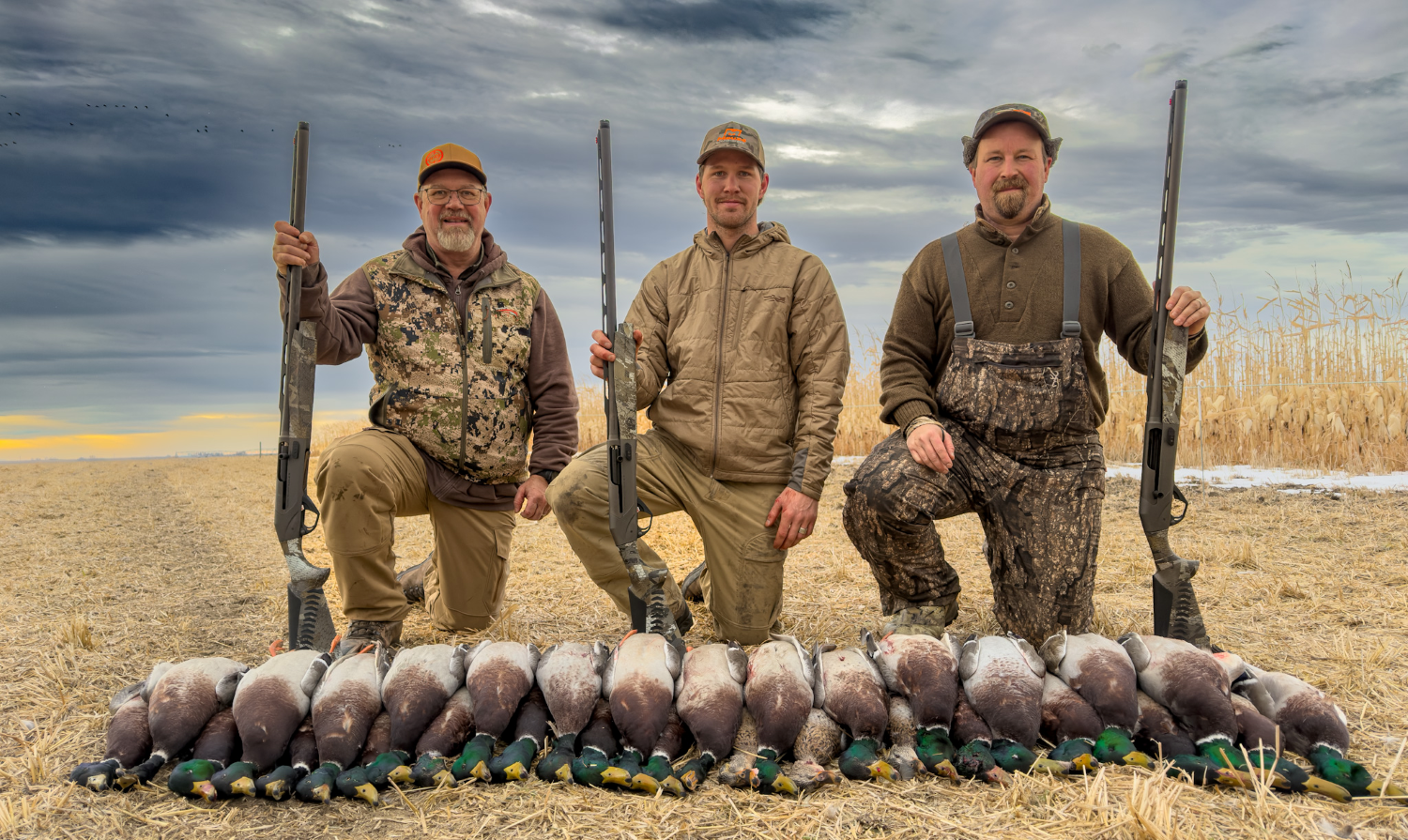
We quickly picked up birds to make certain we had an accurate count. With limits approaching, everyone was restricted to one duck on the next opportunity. It didn't take long. The combination of cooperative mallards, good shooting and a field the birds desperately wanted put our limit on the ground before most of the ducks had even left the roost to feed.
As we packed equipment and drove away, mallards continued pouring into the corn. It had been fast, furious and almost ridiculously good. However, winter had another personality waiting for us.
Everything Changed Overnight
Fresh snow greeted us the next morning. Temperatures had dropped dramatically, and the world we had hunted the previous day had disappeared under white. We changed clothing accordingly, knowing this hunt could be very different.
Late-season Canada geese don't have calories to waste. Big honkers may leave the roost only once a day, feeding for hours before returning to water late in the afternoon. With roughly eight hours of daylight, efficiency is survival.
The barley field we planned to hunt had been loaded with geese the previous day. We set our spread, covered the layouts with white and settled in. Then we waited. And waited.
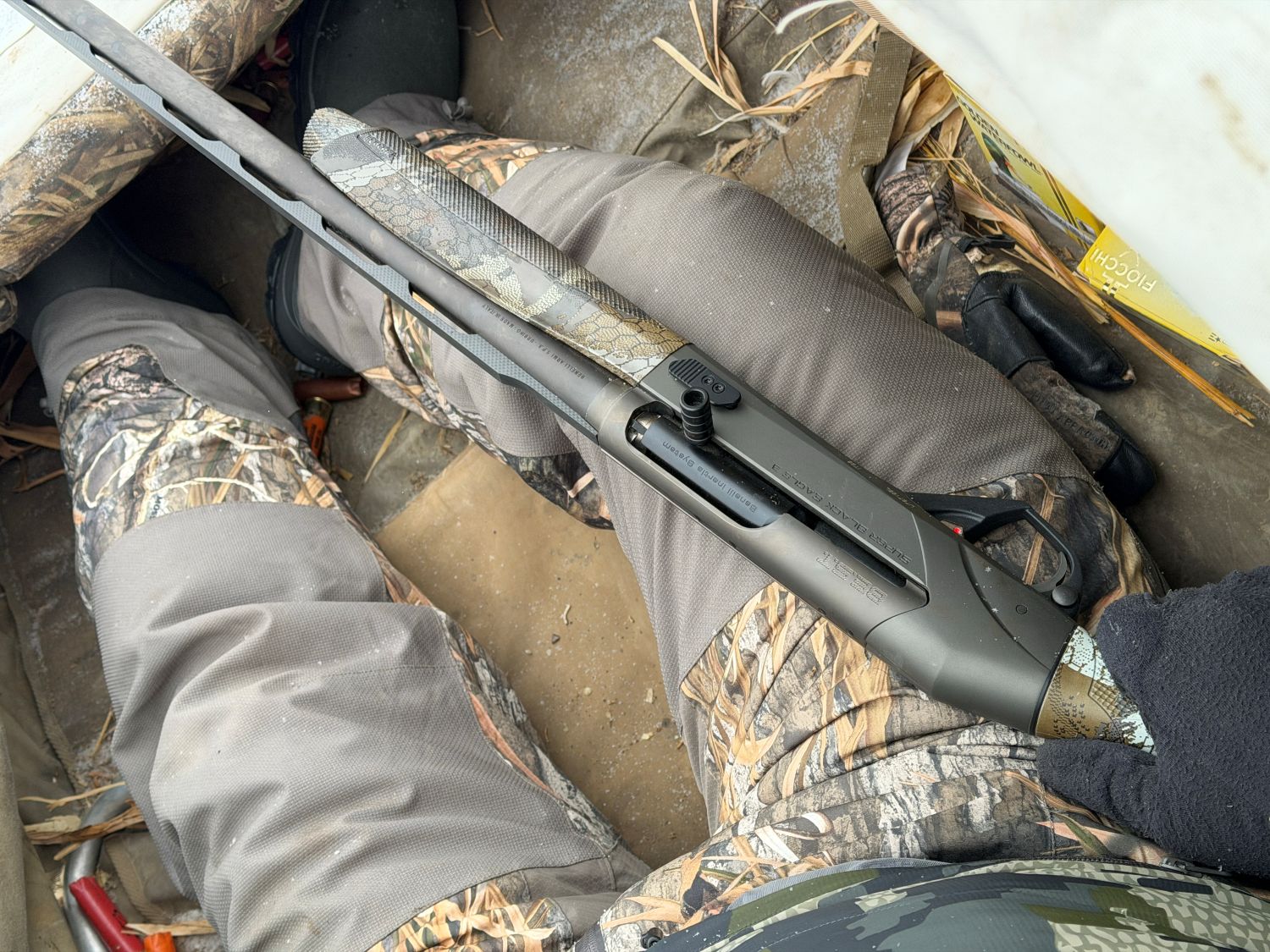
The cold eventually started finding the small gaps in our clothing. We climbed out of the blinds and walked around, snapping our gloves together and trying to keep blood moving through fingers and toes.
Heavy clothing, thick gloves and cold muscles change how a shotgun mounts, so I repeatedly shouldered the Benelli. Practicing the movement helped make certain the stock wasn't catching on clothing and that my eye was naturally finding the rib.
Finally, geese started moving. Several flocks passed our field before calling and flagging caught the attention of a group willing to investigate. They turned. The birds worked into the icy wind and slowly closed the distance.
Late-season honkers have survived months of hunting pressure and aren't known for making foolish decisions. These birds were cautious, inspecting everything below. They circled once. Then again. On the second pass, they hung over the decoys. Guns came up and the first big Canadas of the morning crashed into the snow.
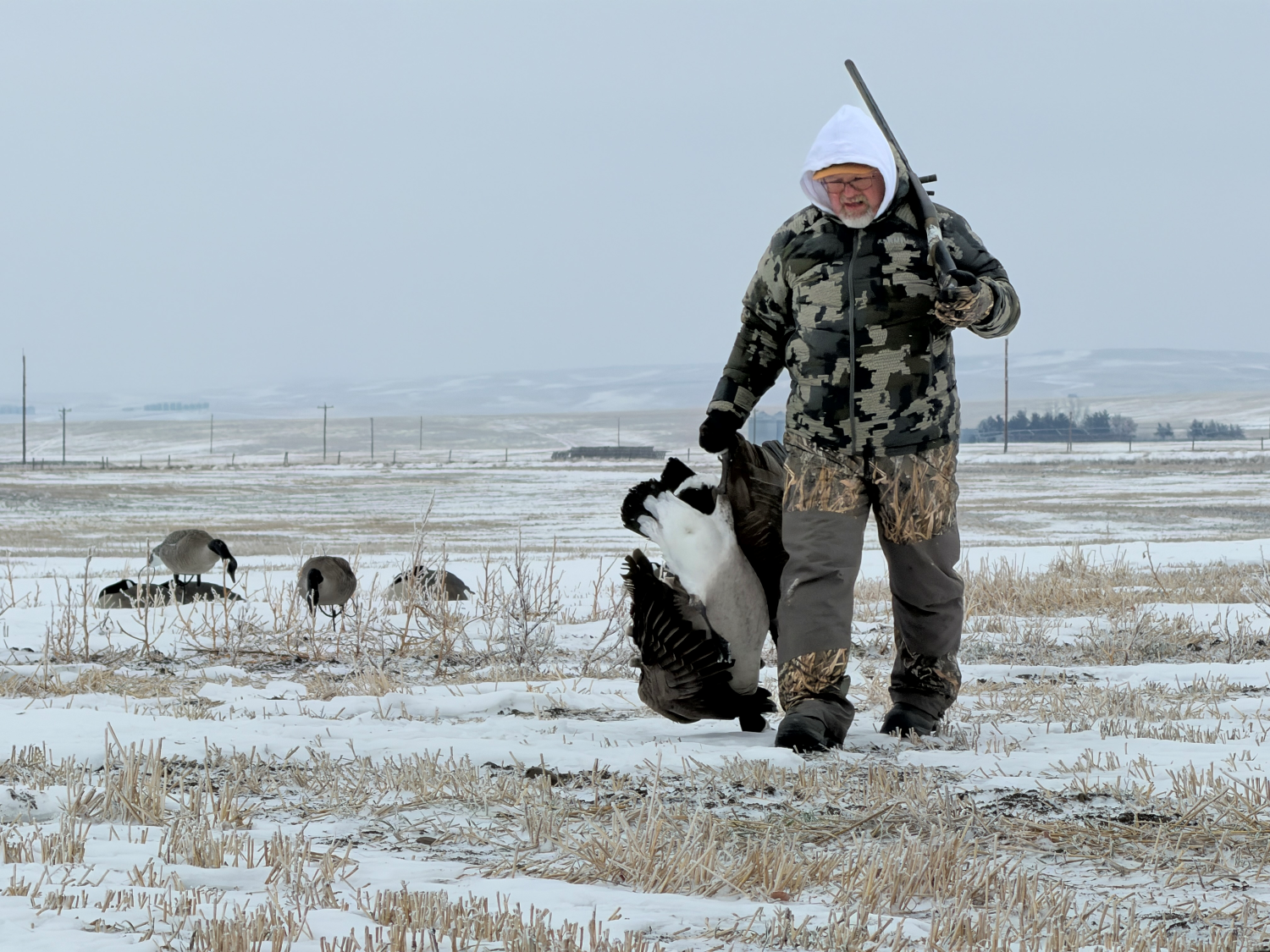
We collected them quickly, and the birds provided an unexpected benefit. There aren't many better handwarmers than a late-season Canada goose. Cold fingers disappeared into the insulating down along their breasts and quickly came back to life.
Three Big Honkers
Two more flocks eventually worked toward us. One lined up beautifully, but just before committing, the flock split. I went left while the rest of the crew concentrated on geese breaking right. The first honker filled my sight picture and crumpled at the shot. I moved the gun, caught another bird and fired. It sailed into the stubble. My third target was already creating distance. I swung through it, found the lead and pulled the trigger. The pattern centered perfectly.
Three big Canada geese were down, weighing well over 30 pounds combined.
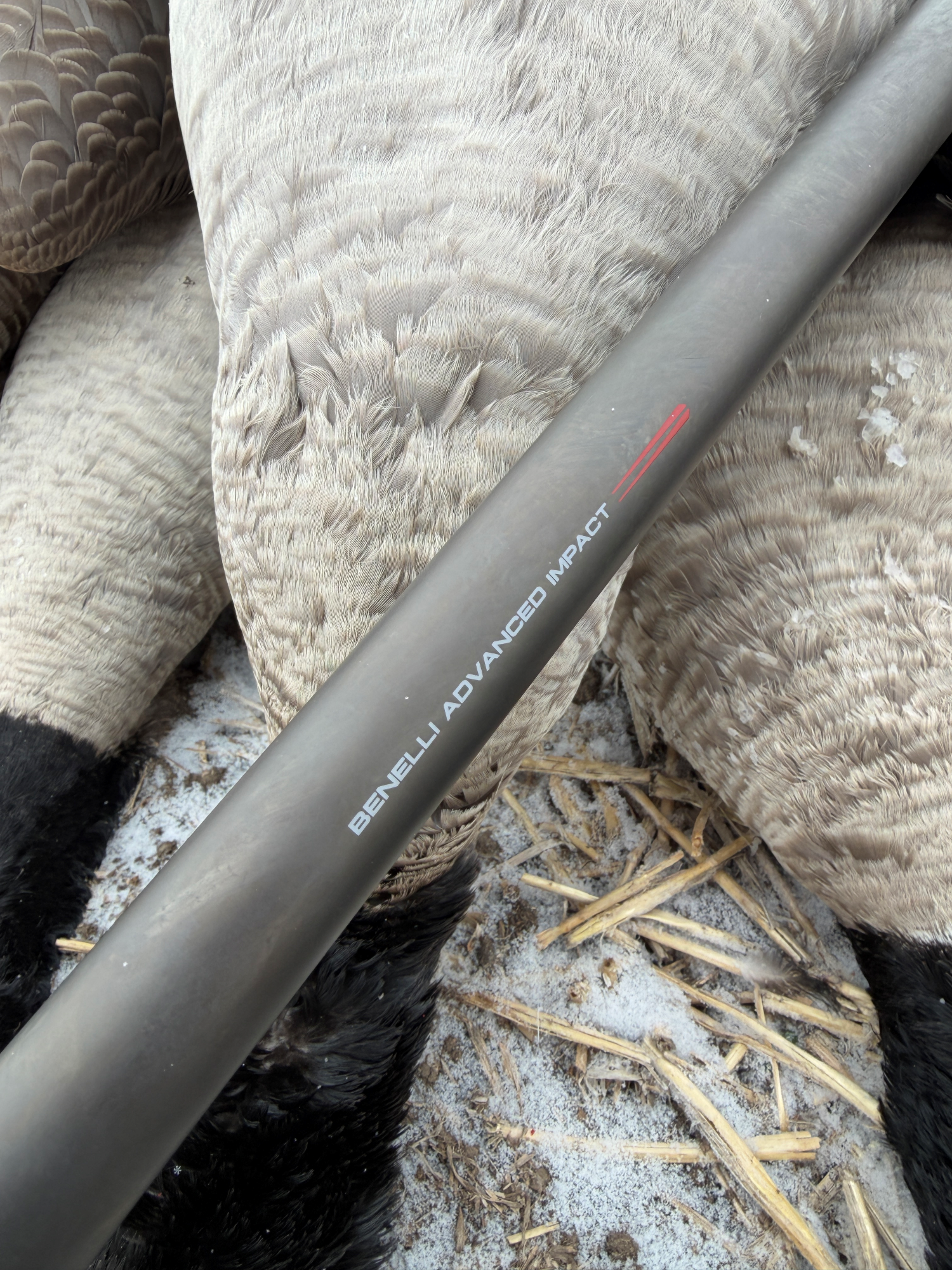
I started paying closer attention to the Advanced Impact barrel. A good morning can be luck mixed with solid shooting. But repeated success on ducks, then big Canada geese, was getting harder to ignore.
We continued picking away at singles and small flocks into the early afternoon. The goose hunt was completely different from the mallard tornado the day before. Instead of filling limits quickly, we had to earn opportunities over several hours. Eventually, we had a satisfying pile of big honkers and decided it was time for lunch.
Roosters in the Snow
We were hunting with Hunter Jarvis of Chinook Waterfowl, and his dogs are always ready to chase something with feathers. Fresh snow made pheasants an obvious choice for the afternoon. We could look for tracks, work cover and hopefully put the dogs onto birds.
The white landscape that made tracks easy for us to see also made hunters easy for pheasants to see. Roosters were flushing 200 yards ahead. Long-tailed birds ran over distant hills while others simply took wing and created space between themselves and the boom sticks marching in their direction.
We eventually caught one rooster in thick cover. It held long enough that when it finally exploded from hiding, it wasn't getting away. We changed tactics and split up, hoping moving hunters might push pheasants back and forth and create some pass-shooting opportunities.
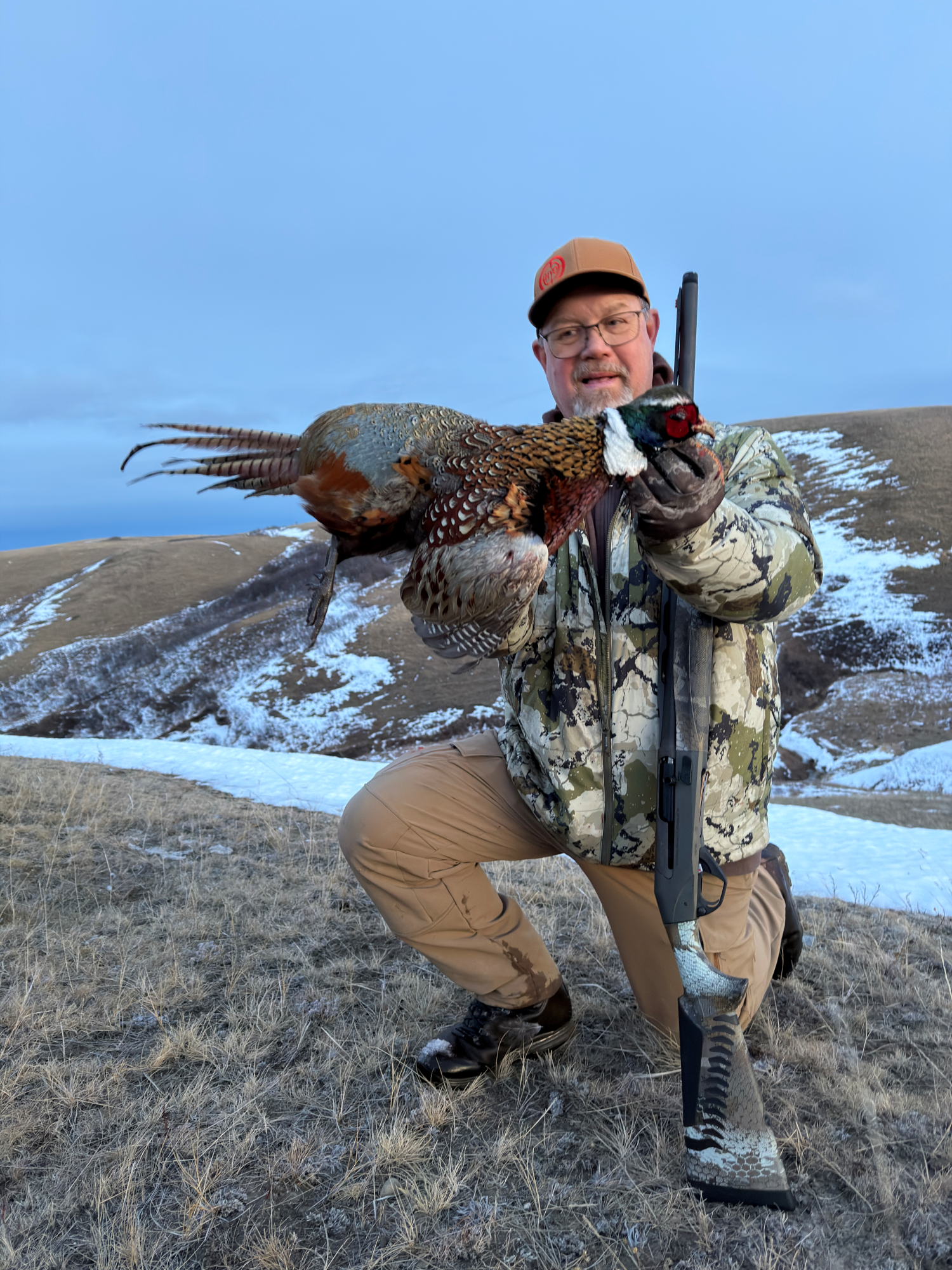
I started using the terrain instead of fighting it. Coulee breaks and steep angles concealed my approach, allowing me to move without being silhouetted against an endless sheet of white. A rooster that hadn't seen me coming erupted from a patch of rosebushes and rocketed toward the cover below. I mounted the Benelli, swung hard through the bird and squeezed the trigger.
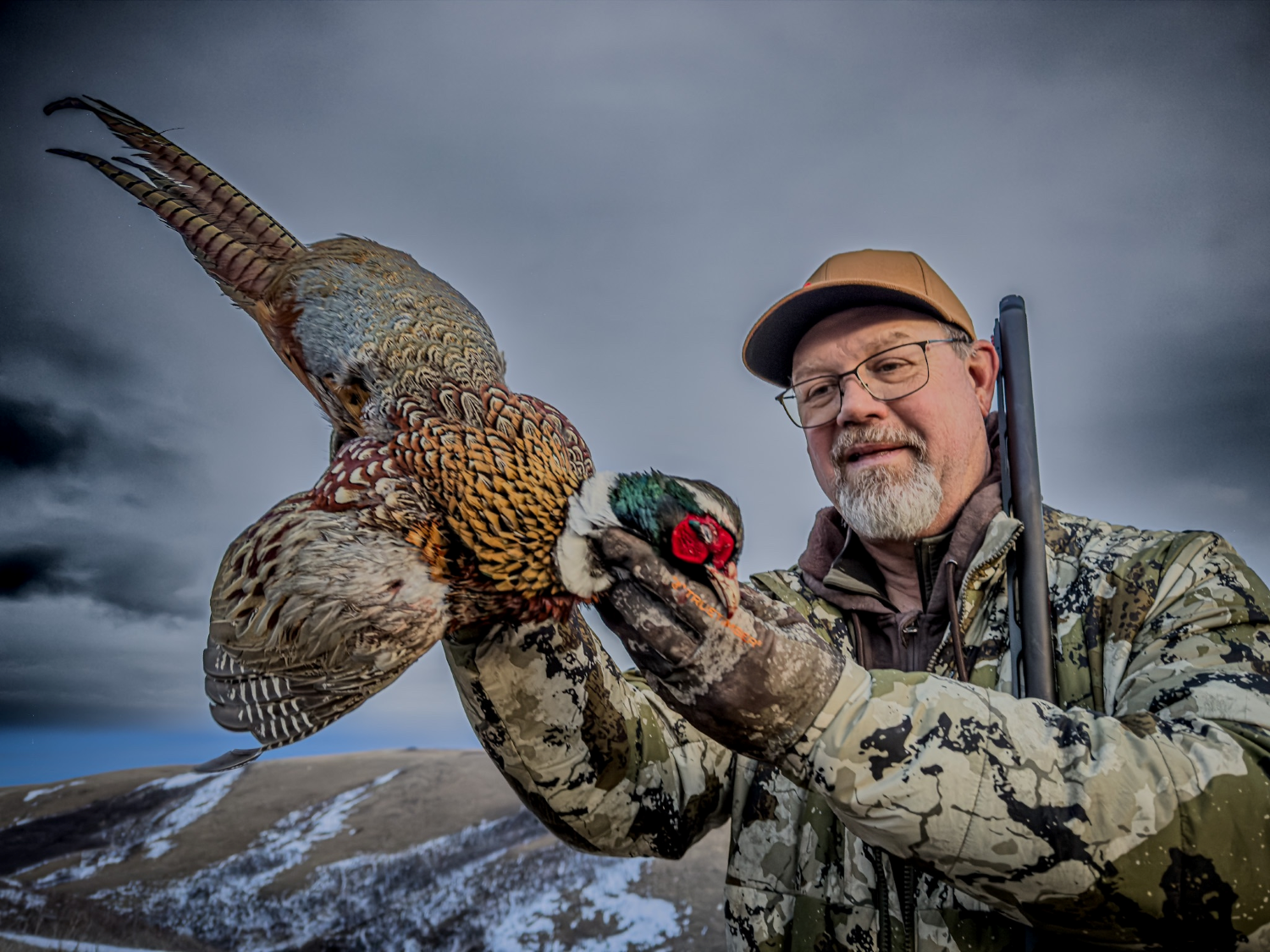
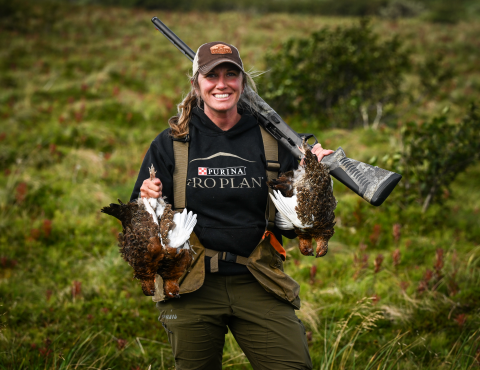
The colorful rooster careened through the air like a cannonball and disappeared downhill. I ran to where I thought it had landed and found the bird stone dead. There was no chasing a wounded rooster through snow and brush.
Steel had impressed me on the ducks and geese. Lead through the Advanced Impact barrel now delivered the same convincing performance on a fast-moving pheasant.
Three completely different birds. Three very different shooting situations. One memorable shotgun test.
More Than a Hunt
There was the explosive excitement of mallards raining into corn. There was the patience required to fool educated December honkers in bitter cold. And there was the physical challenge of following pheasant tracks through fresh snow and using every fold in the prairie to get within shotgun range.
That is what makes a southern Alberta mixed-bag hunt special. Conditions change. Birds change. Tactics change. You might start one morning hidden beside standing corn and finish the next day climbing through a snow-covered coulee behind a running rooster.
The people are just as important. Good friends, good dogs, frozen fingers, stories in the blind and the inevitable replaying of shots at the end of the day turn a collection of birds into memories.
There is little doubt my Advanced Impact barrel will see plenty more playtime over the coming year. There are patterns to test, loads to compare and, hopefully, many more birds to put in front of it. The philosophy will remain simple. Shoot straight and shoot often.
Chinook Waterfowl
Southern Alberta provides tremendous diversity for traveling waterfowl hunters, with opportunities for mallards, Canada geese, and other migrating birds moving through productive prairie farmland.
We hunted with Hunter Jarvis of Chinook Waterfowl. Local knowledge becomes increasingly important as the season progresses and birds become educated by hunting pressure. Knowing where birds are roosting, what fields they are feeding in and when they are likely to move can make the difference between watching distant flocks and having birds finish over the decoys.
Our hunt demonstrated that versatility. We moved from a fast-paced mallard shoot over corn to a cold-weather Canada goose hunt and then followed dogs through fresh snow for pheasants.
Learn more and check current hunting opportunities with Chinook Waterfowl at chinookwaterfowl.com.
Benelli Advanced Impact Barrel
Benelli's Advanced Impact barrel and choke system is designed to produce tighter, denser and more consistent patterns. For a waterfowl or upland hunter, the important part isn't simply extending range. A more efficient pattern puts more pellets into the effective pattern area, providing greater confidence and performance when a bird is centered properly.
I hunted with a Benelli Super Black Eagle 3 equipped with the Advanced Impact system and shot steel on mallards and Canada geese before switching to lead for pheasants. The consistent performance across three very different situations was noticeable.
The barrel doesn't replace good shooting. Time on the range, a consistent gun mount, proper lead and following through are still what put birds on the ground. However, when the shooter does everything correctly, a dense, effective pattern provides an advantage worth having.